
How To
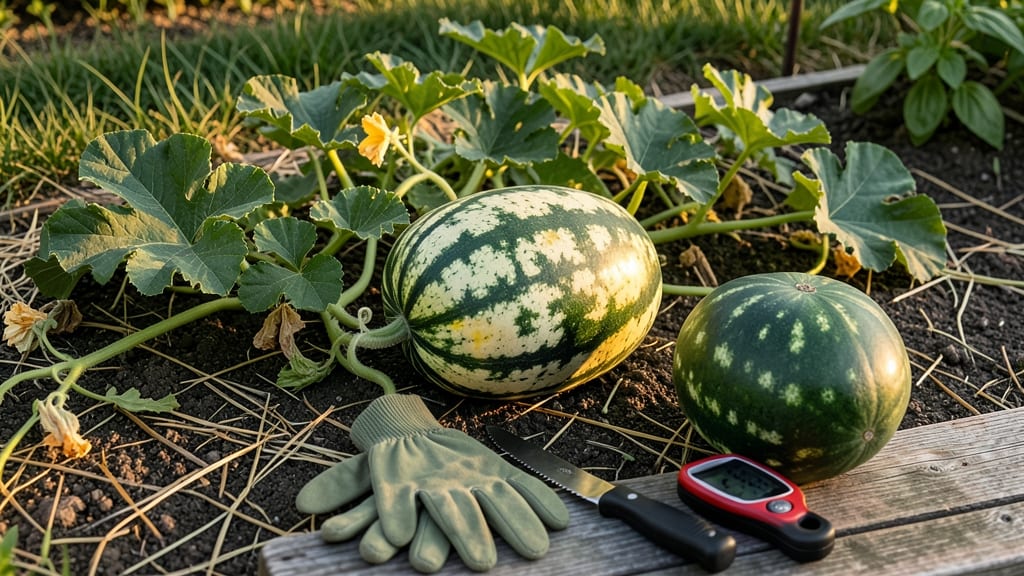
Knowing when to pick your watermelon 🍉 is all about reading the right cues—because that hollow thump or perfect yellow spot means the difference between a juicy prize and a mealy disappointment.
Picture this: you’ve spent weeks tending to your vines, and now the melons are growing fast. But how do you tell if they’re ready?
The answer lies in a mix of visual tricks, like that creamy field spot, and a few simple tests that reveal whether your watermelon is at its peak—or still needs time.
From the classic thump to the often-overlooked vine behavior, I’ll walk you through every clue your watermelon gives you. Whether you’re dealing with hot summer days or cooler mornings, these tips will help you nail the harvest every time.
Skip the guesswork and learn the exact signs—so you can pull that vine-ripened watermelon at the perfect moment, sweet and ready to slice.

Watermelon ripeness indicators: field spot secrets beyond the thump test
Determining when to pick your watermelon isn't just about giving it a thump—it's an art that combines visual cues, tactile tests, and even scent detection. Many gardeners overlook the subtle signs that reveal true ripeness, like the field spot color or vine behavior.
These methods often outperform the thump test, which can be misleading in certain conditions.
The field spot (the area where the watermelon rests on the ground) is your first clue. When ripe, it turns from white or pale to a creamy yellow or even orange-yellow.
This color change signals the melon has fully matured and absorbed maximum sweetness. Don’t ignore this—it’s nature’s built-in ripeness indicator!
| Indicator | Ripe Sign | Unripe Sign |
|---|---|---|
| Field Spot | Creamy yellow/orange | White or pale |
| Vine Behavior | Curly vine closest to melon dies back | Vine remains green and active |
| Stem Color | Yellow or brown | Green or white |
| Rind Texture | Hard, resists thumbnail pressure | Soft or spongy |
| Sound Test | Deep, hollow thump | Dull or flat sound |
Pay attention to the vine closest to the melon. When ripe, this vine will curl and die back, a sign the plant has redirected its energy to the fruit. If the vine is still green and thriving, the melon needs more time.
This is often a more reliable indicator than the thump test, which can vary based on melon size and soil moisture.
Your watermelon’s rind should feel hard and firm when pressed with your thumbnail. If it dents easily, the fruit is underripe. Overripe melons, however, may feel slightly soft or mushy—so timing is everything! A ripe rind also develops a deep, consistent color without green streaks.
Don’t underestimate the power of scent. A ripe watermelon emits a sweet, musky aroma near the stem. If you’re unsure, take a deep sniff—this is a foolproof way to confirm ripeness, especially when other indicators are ambiguous. Unripe melons have little to no scent.
Temperature plays a role too. In hot climates, watermelons ripen faster, so check for readiness earlier in the season. In cooler regions, they may take longer to mature. Always harvest before the first frost, as cold temperatures can turn ripe melons watery and bland.
Pro tip: Weigh your watermelon! Ripe melons feel heavy for their size, indicating high water content and sweetness. Lift a few candidates—you’ll quickly notice the difference. Combine this with the field spot and vine tests for the best results.
If you’re still unsure, cut one open as a test. A ripe watermelon has deep red flesh, black seeds, and a juicy, sweet interior. Use this as your final judge, but aim to master the external cues first to avoid unnecessary sacrifices in your garden!
With these field spot secrets, you’ll never second-guess your watermelon harvest again. Happy picking—and enjoy that sweet, refreshing taste of summer success! 🌱🍉
When and how to harvest watermelons: timing, tools, and post-pick care
Timing your watermelon harvest is an art—too early and you’ll get bland, seedy fruit, too late and it’ll be mushy or overripe. Most varieties take 75 to 90 days to reach peak ripeness, but temperature and growing conditions can shift that window.
In hot climates like USDA Zone 8 or higher, melons may ripen faster (as early as 60 days), while cooler regions might need the full 90 days for sweetness to develop.
Pay attention to your local last frost date—watermelons won’t tolerate cold, so plan harvests before temperatures dip below 50°F (10°C) at night.
Beyond days to maturity, watch for environmental cues like vine behavior and field spot color.
The vine closest to the melon should start drying out and turning brown, while the ground spot (the area where the melon rested on the soil) will shift from white to creamy yellow or buttery orange.
These signs often appear 2–4 days before the melon is fully ripe—so don’t wait too long after noticing them! Pro tip: Morning harvests are ideal because melons retain moisture and sweetness longer in cooler temperatures.
Step-by-Step Harvest Guide
- 1 Check maturity timeline: Most watermelons are ready between 75–90 days after planting. Mark your planting date to track progress.
- 2 Inspect the field spot: Look for a yellow or orange crease where the melon touched the ground. White or green means it’s not ready.
- 3 Test the vine: The curly vine near the melon should turn brown and dry. If it’s still green, wait 3–5 more days.
- 4 Perform the thump test: Tap the melon with your knuckles. A deep, hollow sound means it’s ripe; a dull thud signals underripe fruit.
- 5 Check the stem: Gently twist the stem. If it snaps cleanly (without pulling), the melon is ready. If it resists, it needs more time.
- 6 Harvest with tools: Use a sharp knife or pruners to cut the stem 1–2 inches above the melon. Avoid pulling—this can damage the vine.
Once you’ve confirmed ripeness, handle watermelons with care to avoid bruising. Place them in a shady, dry spot for 2–3 days to let the skin toughen and flavors intensify. This post-harvest "curing" step is crucial for shelf life and sweetness.
Store ripe watermelons in a cool (50–55°F or 10–13°C), humid environment, like a root cellar or garage. Uncut melons last 2–3 weeks, while sliced fruit should be refrigerated and consumed within 3–5 days.
For long-term storage, freeze cubed or puréed watermelon in airtight containers for up to 6 months.
If your watermelon feels too soft or mushy after harvest, it may have overripe. To salvage it, remove the rind and seeds, then blend the flesh into smoothies or sorbets. Overripe melons are still edible—they just lose their crisp texture.
For underripe melons, try leaving them on the vine for 3–5 more days in warm weather, but avoid this if nighttime temps drop below 60°F (15°C), as cold can ruin the fruit.
Pro gardeners swear by regional adjustments for watermelon harvests. In hot, dry climates (like Arizona or California), melons ripen faster and may need harvesting earlier to avoid cracking. In humid areas (like Florida or the Southeast), prioritize disease-resistant varieties and harvest promptly when ripe to prevent rot.
Always rotate your planting location yearly to maintain soil health and reduce pest pressure—watermelons are heavy feeders and deplete nutrients quickly.