
How To
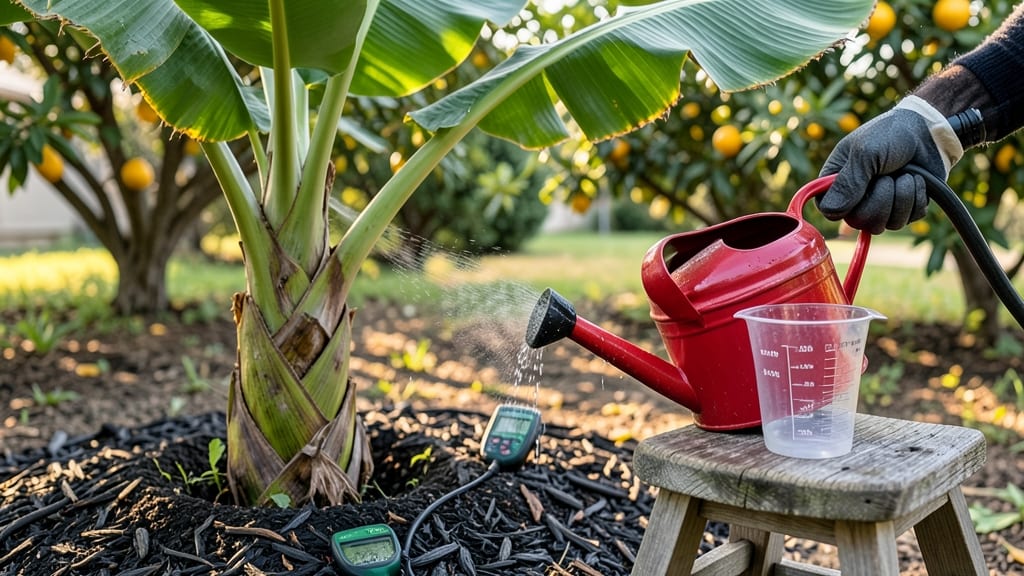
To water your plants with banana water, use 1 peeled banana per quart of water for a balanced, nutrient-rich boost—but the exact ratio depends on your plant’s needs.
Picture this: You’re about to toss a banana peel into the compost when you pause—what if that peel could feed your garden instead? Banana water isn’t just a myth; it’s a potassium powerhouse that helps plants thrive, but too much can burn roots or attract pests.
The trick is getting the dilution right.
Leafy greens like spinach and kale love a weaker mix (1 banana per gallon), while heavy feeders such as roses or citrus trees benefit from the full-strength version. Below, I’ll break down the perfect ratios for every plant type, plus how often to use it without overdoing it.
You’ll learn how to blend, strain, and apply banana water safely, which plants to avoid giving it to, and even how to spot when your plants are begging for more. Ready to turn kitchen scraps into a game-changing fertilizer?


Banana water dilution ratios by plant type: exact measurements for optimal growth
Banana water is a powerhouse fertilizer thanks to its high potassium and magnesium content, but the key to success lies in proper dilution. Too strong, and you risk burning roots; too weak, and it won’t deliver results.
Each plant type has unique needs, so I’ve broken down the science-backed ratios to maximize growth without overdoing it.
For leafy greens like spinach or lettuce, start with a 1:10 dilution—1 part banana water to 10 parts water. These plants thrive on gentle nutrient boosts and can’t handle concentrated solutions. Always use room-temperature water to prevent shocking the roots with temperature changes.
Flowering plants such as roses or petunias need a slightly stronger mix: 1:8 dilution during their blooming season. This higher concentration supports flower production and vibrant colors, but avoid using it during dormancy months. Always apply in the early morning to reduce evaporation and fungal risks.
| Plant Type | Dilution Ratio | Frequency | Best Time to Apply |
|---|---|---|---|
| Leafy Greens (Spinach, Lettuce, Kale) | 1:10 (1 part banana water to 10 parts water) | Every 2 weeks | Morning (6-9 AM) |
| Flowering Plants (Roses, Petunias, Geraniums) | 1:8 (1 part banana water to 8 parts water) | Every 3 weeks (blooming season) | Early morning or late afternoon |
| Fruit-Bearing Plants (Tomatoes, Peppers, Citrus) | 1:6 (1 part banana water to 6 parts water) | Every 4 weeks (growth phase) | Evening (after 6 PM) |
| Succulents & Cacti (Aloe, Jade, Snake Plant) | 1:20 (1 part banana water to 20 parts water) | Every 6-8 weeks (spring/fall) | Morning (avoid waterlogging) |
| Herbs (Basil, Mint, Parsley) | 1:12 (1 part banana water to 12 parts water) | Every 3 weeks | Morning (before sun peak) |
Fruit-bearing plants like tomatoes or citrus trees benefit from a stronger 1:6 dilution to fuel their energy-hungry growth. Apply this mix every 4 weeks during their active growth phase, but skip it when fruits are ripening to avoid overstimulating the plant. Always water the soil—not the leaves—to prevent fungal infections.
Succulents and cacti are the most sensitive to banana water. Their 1:20 dilution ensures they get a gentle nutrient boost without risking root rot. Use this mix sparingly, only during their spring and fall growth periods, and always let the soil dry completely between waterings.
These plants store water, so over-fertilizing can be just as harmful as under-watering.
Herbs like basil or mint fall somewhere in the middle with a 1:12 dilution. These plants need consistent nutrients but can’t handle strong concentrations. Apply banana water every 3 weeks during their growing season, and always pair it with well-draining soil to prevent salt buildup from the fertilizer.
To prepare banana water, blend 1-2 peeled bananas with 1 cup of water, strain the pulp, and dilute it as per your plant’s needs. Store the mixture in the fridge for up to 5 days, but always shake it before use to redistribute nutrients.
For best results, alternate banana water with compost tea or fish emulsion to provide a balanced nutrient profile.
Monitor your plants closely after applying banana water. Yellowing leaves may signal over-fertilization, while slow growth could mean they need more nutrients. Adjust the dilution ratio or frequency based on their response, and always prioritize soil health over quick fixes.
With the right balance, banana water can transform your garden into a thriving, nutrient-rich paradise.
🌱
Signs your plant needs banana water (and when to stop using it)
Your houseplants or garden greens might be silently begging for banana water if their leaves start showing yellowing edges or weak stems. Potassium deficiency—the main benefit of banana water—often reveals itself through stunted growth or drooping foliage, especially in tomatoes, peppers, or citrus trees.
These signs suggest your soil lacks the magnesium and natural sugars that banana water provides.
Flowering plants like roses or hibiscus may also signal their need by producing smaller blooms or fewer flowers than usual. The potassium in banana water helps boost flower production and strengthen stems, so if your plants look underwhelming during their blooming season, it’s time to whip up a batch.
Pay close attention to new growth—if it’s pale or slow-growing, your plants are craving this nutrient-rich elixir.
⚠️ CAUTION: Overdoing banana water can harm your plants just as much as underusing it! Too much can lead to salt buildup in the soil, causing leaf burn or root damage.
If you notice brown crispy edges on leaves or a white crust on the soil surface, you’ve likely over-fertilized. Succulents and cacti are especially sensitive—stick to diluted banana water or skip it entirely for these drought-loving plants.
⚠️ How Much Banana Water Per Plant?
Leafy greens: 1:4 ratio (1 part banana water to 4 parts water), every 2-3 weeks. Flowering plants: 1:5 ratio, monthly. Fruit-bearing plants: 1:6 ratio, every 3-4 weeks. Succulents: Avoid—use never or risk root rot. Always water at soil level, not on leaves, to prevent fungal growth.
Season also plays a crucial role in determining when to use banana water. During spring and early summer, when plants are actively growing, they’ll benefit most from weekly applications of diluted banana water.
However, as temperatures rise in mid-summer, reduce frequency to every 3-4 weeks to avoid overwhelming roots. In fall, taper off completely—plants enter a resting phase and don’t need extra nutrients.
Watch for pests like aphids or spider mites, which thrive in over-fertilized soil. If you spot these unwelcome guests, flush the soil with plain water and pause banana water for at least 4 weeks.
Healthy plants with vibrant green leaves and strong stems are less likely to attract pests, so balance is key. Always observe your plants after each application—if they wilt or drop leaves, they’re telling you to stop immediately.
For container plants, monitor the soil more closely since they dry out faster. If the top 1 inch of soil feels dry, it’s safe to water—but if it’s soggy, hold off. Overwatering combined with banana water can create a souffle-like environment for root rot.
Always ensure your pots have drainage holes and use a well-draining potting mix to prevent waterlogging.
Listen to your plants—they’ll tell you exactly what they need. If you see new leaves perking up, flowers blooming brighter, or fruit ripening faster, you’re on the right track.
But if you notice yellowing leaves, weak stems, or pests, it’s time to adjust your banana water schedule or switch to another fertilizer. Balance is the secret to healthy, thriving plants—and a little banana water can go a long way! 🌿