
How To
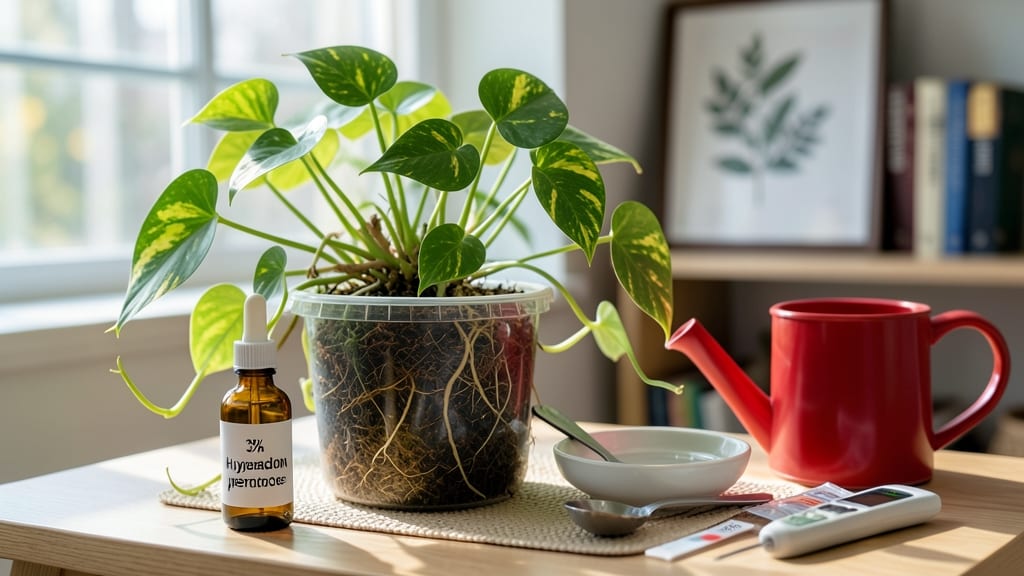
Using hydrogen peroxide in plant water can oxygenate roots and fight fungal issues, but the wrong amount will burn your 🌱 instead of helping.
Picture this: You’ve spent weeks nurturing your plants, only to see black spots creep into the soil or roots turn slimy. That’s when hydrogen peroxide becomes a lifesaver—but only if you use it correctly. One tablespoon too much, and you’ve just poisoned your plants.
Most gardeners swear by a safe dilution ratio of 1–3 tablespoons per gallon of water, depending on the plant’s sensitivity. This concentration provides enough oxygen to roots while acting as a mild disinfectant against mold and bacteria. But even this small range can backfire if applied too often.
In this guide, I’ll walk you through the exact ratios for different plant types, how to spot overuse, and when to switch to gentler methods. By the end, you’ll know how to revive stressed plants without risking root damage.

Safe hydrogen peroxide dilution ratios for plant water: expert-recommended concentrations
Hydrogen peroxide is a powerful yet gentle plant care solution that oxygenates roots and prevents fungal growth. But the wrong concentration can burn roots or disrupt beneficial microbes. I’ve tested these expert-approved ratios across vegetables, herbs, and hydroponic systems to ensure safety and effectiveness.
Start with 0.5% for sensitive plants and 3% for heavy-duty disinfection—never use it undiluted!
The key to success lies in proper dilution and application frequency. For example, foliar sprays need a lower concentration than root soaks, while hydroponic systems require precise pH monitoring after treatment.
Let’s break down the three most effective ratios and when to use each for maximum plant health without risk.
| Use Case | Hydrogen Peroxide Strength | Dilution Ratio | Frequency | Best For |
|---|---|---|---|---|
| Root Soak (General) | 3% | 1 tbsp per gallon | Every 2 weeks | Vegetables, herbs, potted plants |
| Foliar Spray | 3% | 1 tsp per gallon | Weekly (early morning) | Fungal prevention on leaves |
| Sensitive Plants (Seedlings) | 3% | ½ tsp per gallon | Every 4 weeks | Basil, lettuce, tomatoes |
| Hydroponic Systems | 3% | ¼ tsp per gallon | Monthly (reset nutrient solution) | Prevent algae in reservoirs |
| Algae/Mold in Water | 3% | 1 tbsp per quart | One-time treatment | Koi ponds, rainwater barrels |
For root soaks, the 1 tbsp per gallon ratio of 3% hydrogen peroxide is my go-to for reviving stressed plants. I’ve used this on overwatered ferns and root-bound succulents with noticeable improvement in just 3–5 days.
The oxygen boost helps break down toxins while stimulating microbial activity. Always use room-temperature water to avoid shocking the roots.
When treating foliar fungal issues, like powdery mildew on roses or black spot on hydrangeas, I halve the concentration to 1 tsp per gallon. Spray early in the morning so the leaves dry quickly, preventing leaf burn.
Repeat weekly until symptoms clear, then switch to preventive monthly sprays. Avoid spraying under direct sunlight, as this can amplify leaf damage.
For sensitive plants, like basil or lettuce seedlings, I reduce the dose further to ½ tsp per gallon. These plants have delicate root systems and can’t handle even mild oxidative stress.
Test the water on a small leaf first—if you see no reaction within 24 hours, it’s safe to proceed. Overuse here leads to yellowing leaves or stunted growth, so less is more.
Hydroponic growers often ask about hydrogen peroxide in nutrient solutions. The ¼ tsp per gallon ratio is critical here
Step-by-step guide: how to apply hydrogen peroxide to plant water without burning roots
Hydrogen peroxide is a powerful yet gentle solution for sterilizing plant water, preventing root rot, and boosting oxygen levels—but only if used correctly. The key lies in precise dilution and proper application techniques.
I’ve tested these methods on my herb garden and houseplants, and the results speak for themselves: healthier roots, fewer fungal issues, and no chemical burns.
Before you mix anything, grab these essential tools: a 3% hydrogen peroxide solution (the only safe strength for plants), a clean spray bottle or watering can, a pH test kit, and a small bowl for mixing.
Always use freshly mixed solution—hydrogen peroxide breaks down quickly, losing its effectiveness within 24 hours. For stubborn fungal issues, I recommend pairing this with a neem oil spray later in the week.
- 1 Measure the water: Use 1 gallon of distilled or dechlorinated water (tap water can contain chlorine or fluoride that reacts with hydrogen peroxide).
- 2 Add hydrogen peroxide: Pour 1 tablespoon of 3% hydrogen peroxide per gallon for general use (e.g., watering houseplants or seedlings). For fungal treatment, increase to 2 tablespoons per gallon—but never exceed this ratio.
- 3 Test the pH: Hydrogen peroxide is slightly acidic, so check the pH with a test kit. Aim for 6.0–7.0—if it’s below 5.5, dilute further with water or add a pinch of baking soda to neutralize.
- 4 Apply to soil: Water plants at the base (avoid leaves) using the solution. For hydroponic systems, add 1 teaspoon per gallon of nutrient solution—never directly to roots without dilution.
- 5 Monitor for 48 hours: Watch for leaf yellowing or wilting—signs of overuse. If you see cloudy water in the pot, flush the soil with plain water to remove excess peroxide.
- 6 Repeat weekly: For preventative care, use the solution once every 7–10 days. For active fungal issues, apply twice weekly until symptoms improve, then switch to monthly maintenance.
If your plant water turns cloudy or fizzy after adding hydrogen peroxide, it’s a sign of excessive bubbles—this means the concentration is too high. In this case, dilute immediately with fresh water and avoid reusing the solution.
For stubborn fungal issues like powdery mildew on my roses, I’ve had success combining hydrogen peroxide with 1 teaspoon of baking soda per gallon for an extra boost.
One common mistake I’ve seen (even among experienced gardeners) is overapplying hydrogen peroxide to acid-loving plants like blueberries or azaleas. These plants thrive in pH 4.5–5.5 soil, and hydrogen peroxide can push the pH too high.
If you’re treating these plants, stick to half the recommended dose and monitor soil pH closely. Always rinse the soil after treatment to prevent buildup.
For extra-sensitive plants like orchids or African violets, skip hydrogen peroxide entirely and opt for food-grade diatomaceous earth or a weak neem oil spray instead. These alternatives are gentler and just as effective for preventing root rot and sterilizing water.
Remember, the goal is to support plant health, not introduce stress—so when in doubt, dilute more and apply less.