
Light Requirements
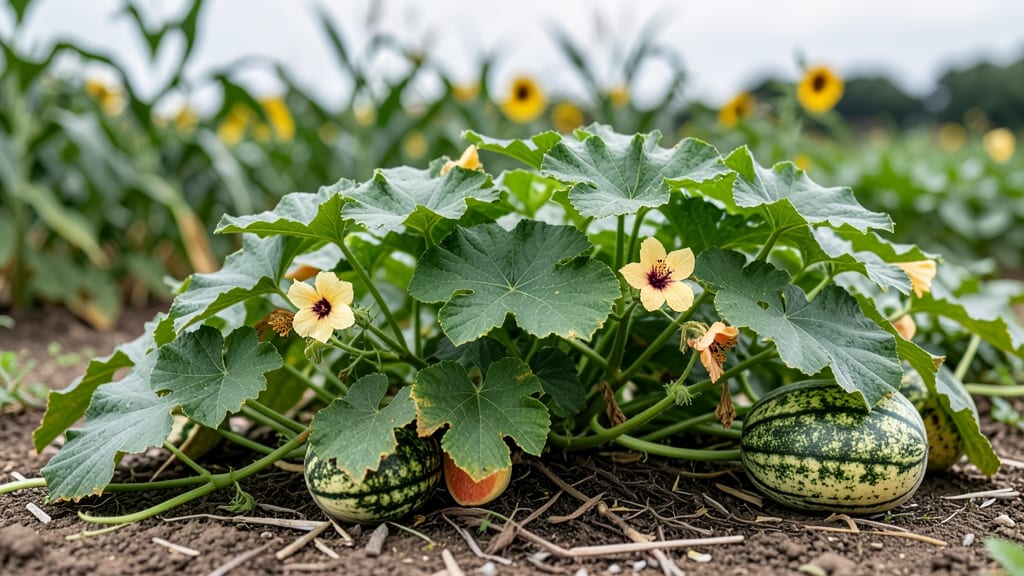
How much sun does watermelon need to grow? The answer is 6 to 10 hours of direct sunlight daily—and missing that mark can turn your harvest into a bitter disappointment.
Picture this: you’ve planted your seeds, watered faithfully, and even fertilized, but your watermelons stay small, tough, and underripe. The culprit? Too little sun. Without enough light, the vines struggle to produce the energy needed for those signature bursts of flavor and size.
In cooler climates like USDA Zone 6a, morning sun paired with afternoon shade can work, but most watermelons thrive when baked by full sun from early morning until late afternoon. Even in containers or greenhouses, positioning matters—too much shade, and you’ll end up with bitter, seedy fruit.
Below, I’ll break down exactly how to give your watermelons the perfect light dose, spot the signs of sun deprivation, and tweak your garden setup for maximum sweetness—no matter where you grow.

Watermelon sun requirements: the ideal 6-10 hours daily breakdown
Watermelons are sun-worshippers, and their sunlight needs determine whether you’ll enjoy sweet, juicy fruit or bitter, underdeveloped melons. While the general rule is 6-10 hours of direct sunlight daily, the intensity and duration vary dramatically depending on the plant’s growth stage.
Understanding these nuances is key to maximizing your harvest. For example, a seedling in the shade might survive, but it’ll never reach its full potential compared to one basking in morning sun.
Most gardeners assume watermelons thrive in any sunny spot, but the truth is more nuanced. Flowering and fruiting stages demand peak sunlight exposure—anything less than 8 hours daily during these phases can lead to poor pollination and small, seedy fruits.
Even in cooler climates, watermelons need full sun to develop their signature sweetness. I’ve learned this the hard way after planting vines near a partially shaded fence, only to harvest melons with pale rinds and bland flavor.
Here’s the breakdown of sunlight needs by growth stage, along with practical tips to optimize placement for your climate and garden setup.
During the seedling stage, watermelons are delicate and can scorch in intense midday sun. I recommend starting them in a protected spot with 4-6 hours of morning sunlight before transplanting. This gradual exposure hardens their vines, preparing them for full sun.
In my Zone 7a garden, I’ve found that seedlings thrive under a cloche or shade cloth during their first 2 weeks, then transition to full sun as they develop.
The flowering stage is when sunlight becomes non-negotiable. Watermelons need 8-10 hours of direct sun daily to produce vibrant blooms and successful pollination. Without enough light, flowers may drop before setting fruit, or the melons that do form will be small and seedy.
One trick I’ve used is to place a white reflective mulch under vines in cloudy regions—this bounces extra light onto the plants, mimicking full sun conditions.
For the fruiting stage, aim for 10+ hours of sunlight if your climate allows. This is when the melons develop their signature sweetness and deep color. In my container gardens, I move pots to sunnier spots during this phase, even if it means temporarily disrupting other plants.
If you’re in a partial shade garden, consider using a rotating trellis to give vines equal access to sunlight throughout the day.
Climate plays a huge role in adjusting sunlight needs. In hot, dry regions, watermelons may need afternoon shade to prevent wilting, while cooler northern climates benefit from extending sunlight exposure.
I’ve grown watermelons successfully in Zone 5b by using a low greenhouse tunnel to trap heat and light, effectively adding 2-3 extra hours of usable sunlight per day.
One common mistake is assuming all garden spots are equal. Even a 10-foot difference in your yard can result in 2+ hours of sunlight variation. Use a sunlight tracker app to map your garden’s light exposure for at least a week before planting.
I’ve caught myself overestimating shade spots—what seemed like full sun in spring often turned out to be partial shade by summer due to tree growth.
If you’re growing watermelons in containers or raised beds, prioritize the sunniest location possible. These plants are heavy feeders, and limited root space means they’re even more dependent on optimal sunlight.
Signs your watermelon plants aren’t getting enough sun (and how to fix it)
If your watermelon vines are growing slower than expected or producing tiny, bland fruit, sunlight deprivation might be the culprit. Watermelons are sun-worshippers, and even slight reductions in light can trigger visible stress.
I’ve seen firsthand how 6-10 hours of full sun transforms a struggling vine into a powerhouse producer—so let’s diagnose the problem together.
One of the first red flags is pale or yellowing leaves, especially on the lower stems. These leaves lose their deep green color because they’re not getting enough chlorophyll-producing sunlight.
You might also notice weak stems that struggle to support the weight of developing fruit, leading to broken vines or poor vine spread. Even if your plants look alive, they’re essentially starving for energy.
Watermelons require 6-10 hours of direct sunlight daily. Less than 6 hours results in stunted growth, poor fruit development, and bitter-tasting melons. Partial shade (3-6 hours) may work in cooler climates but reduces yield and sweetness. Always prioritize the sunniest spot in your garden for optimal results.
Another telltale sign is small, misshapen fruit that never ripens properly. Sunlight is essential for photosynthesis, which fuels both vine growth and fruit development. Without enough light, your watermelons might stay green and hard long after they should be sweet and juicy.
I’ve had to pull plants where the fruit barely grew larger than a golf ball—heartbreaking, but preventable with the right light conditions.
If your watermelon flowers aren’t setting fruit—or if they drop off quickly—sunlight could be the issue. Flowers need energy to develop into fruit, and shady conditions cause them to wither before pollination occurs.
Check for fewer female flowers (the ones with tiny watermelons at their base) compared to male flowers, which are more common in low-light stress.
To fix these issues, start by relocating your plants to the sunniest spot in your garden. If you’re using containers, move them to a south-facing patio or balcony. For in-ground plants, consider adjusting trellises to angle vines toward the sun, especially in the morning when light is strongest.
Rotate plants weekly to ensure even exposure if shadows are an issue.
For long-term solutions, avoid planting watermelons near tall trees, fences, or buildings that cast deep shade. If your yard lacks full sun, try reflective surfaces like white gravel or mirrors to bounce extra light onto the plants.
And remember: morning sun is ideal—it reduces water stress while providing the energy your vines crave. With these fixes, you’ll be on your way to plump, sweet watermelons in no time! 🌱