
Watering
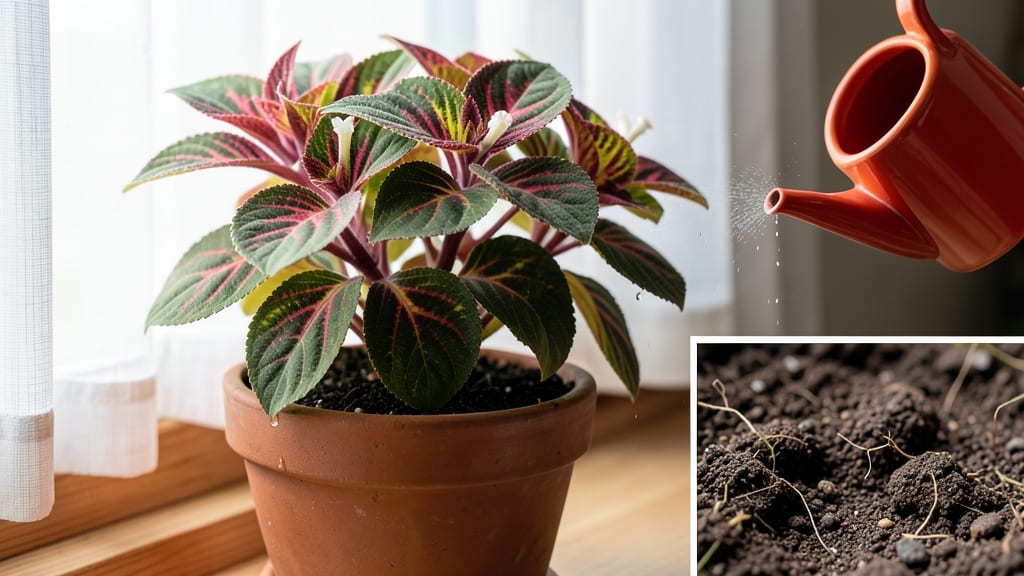
Wondering how much water do coleus need to stay vibrant? Water them when the top inch of soil feels dry to the touch—about every 3 to 5 days in spring and summer, with adjustments for humidity and pot size.
Struggling to keep your coleus plants vibrant? Overwatering or underwatering can turn their stunning leaves dull—and knowing the exact watering schedule by leaf color is the secret to long-term success.
These tropical beauties 🌿 hate soggy roots but also wilt when thirsty, so striking the right balance means checking soil moisture before reaching for the watering can. Too little, and the edges crisp up; too much, and the leaves yellow or droop.
Below, I break down the ideal watering routine by season, how to spot trouble early, and pro tips to keep your coleus lush all growing season—no guesswork required.


Weekly watering schedule for coleus based on leaf color
Your coleus plants aren't just pretty faces—their leaf colors (red, purple, green, or patterned) actually influence how much water they need. Darker leaves like deep red coleus need slightly more hydration to maintain their rich pigment, while light green varieties dry out faster in hot climates.
Understanding these nuances prevents root rot and keeps your plants thriving all season.
Science shows that coleus roots thrive when the top 1-2 inches of soil stay moist but not soggy. Overwatering causes yellowing leaves, while underwatering leads to crispy edges. The key is adjusting your watering frequency based on leaf color, seasonal heat, and pot size.
Let’s break it down by variety so you can create a personalized schedule.
| Leaf Color | Watering Frequency | Soil Check Method | Seasonal Adjustments |
|---|---|---|---|
| Deep Red/Purple | Every 4-5 days (summer), 7-8 days (winter) | Insert finger 1 inch deep; water if dry | Reduce by 30% in winter |
| Bright Green | Every 3-4 days (summer), 6-7 days (winter) | Check top 1 inch; water if bone-dry | Increase by 20% in high heat |
| Patterned/Multicolor | Every 5 days (summer), 8-9 days (winter) | Test 2 inches deep; water if dry | Use mulch to retain moisture |
| All Varieties (Terracotta Pots) | Every 2-3 days (summer), 5-6 days (winter) | Check weight; water if pot feels light | Move pots to shade in peak sun |
For red coleus, the deeper pigments require more water retention to prevent leaf scorch. I’ve found that watering in the early morning (before 10 AM) gives roots time to absorb moisture before the heat sets in.
Use a moisture meter for accuracy—if it reads 30-40% moisture, hold off until the next day.
If you’re growing green coleus in full sun, expect to water 20% more frequently than shaded varieties. The lighter leaves reflect more sunlight, causing faster evaporation.
Stick your finger 1 inch deep—if it feels dry, it’s time to water. Pro tip: Group similar-colored coleus together to streamline your watering routine.
Seasonal shifts demand big adjustments. During spring and fall, when temperatures hover around 70°F, most coleus varieties thrive on a 5-7 day schedule. But when summer hits 90°F+, switch to daily watering for green coleus and every other day for red/purple types.
Always water at the base of the plant to avoid fungal spores on leaves.
Winter slows coleus growth, so reduce watering by 50%. Let the soil dry out more between waterings—this mimics their natural dormant state. I’ve seen yellowing leaves in winter because gardeners overcompensate, thinking plants need more hydration.
Trust the soil moisture test: if it’s damp 2 inches down, wait.
Pot size matters too. A 6-inch pot dries out faster than an 8-inch one, so adjust your schedule accordingly. For container coleus, I recommend using well-draining soil mixed with perlite to prevent waterlogging.
If you notice wilting by noon, your plant is thirsty—water immediately and move it to partial shade.
Mulching with organic matter (like shredded bark) locks in moisture and cuts watering needs by 30%. Apply a 2-inch layer around the base, keeping it 1 inch away from stems to prevent rot. This is especially helpful for patterned coleus, which often have delicate foliage prone to drying out.
Remember: consistency is key. Coleus hate fluctuating moisture levels, so stick to your schedule even if rain falls. Use a rain gauge to track precipitation—if you get 1 inch of rain, skip watering for 3-4 days afterward.
With this science-backed approach, your coleus will stay lush and colorful all season long.
Signs your coleus is overwatered or underwatered (with fixes)
Your coleus leaves tell a story about their hydration needs. Yellowing leaves or crispy edges aren’t just cosmetic—they’re SOS signals from your plant. Overwatering and underwatering both cause stress, but the fixes are simple once you know what to look for. Let’s decode the clues your coleus is giving you.
First, check the soil moisture with your finger. Stick it about 1 inch deep—if it feels damp, hold off on watering. If it’s bone-dry, your coleus is thirsty.
But the real giveaways? Leaf color changes and stem condition. Dark green leaves with a slight droop? Probably underwatered. Pale, mushy leaves with yellow patches? Overwatered for sure.
🌿 PROS-CONS BOX: Watering Coleus Correctly
- Water when top inch of soil is dry
- Use well-draining soil to prevent sogginess
- Water at soil level, not on leaves
- Check leaves daily for early signs of stress
- Let soil stay soggy for more than 2 days
- Ignore wilting leaves—act fast to revive
- Use cold water—always use room temp
- Skip drainage holes in pots
If your coleus leaves are yellowing with crispy edges, it’s likely underwatered. Start by giving it a deep watering until water drains from the bottom. Then, adjust your schedule to water every 2-3 days in summer or 5-7 days in winter.
For patterned coleus, watch closely—their vibrant colors fade faster when stressed.
Overwatered coleus often shows mushy stems and drooping leaves that feel limp. The first step? Stop watering immediately and let the soil dry out. Repot the plant in fresh, well-draining soil and ensure the pot has drainage holes.
If the roots smell rotten, trim away the bad sections with sterilized scissors before repotting.
For red or purple coleus, underwatering can cause the colors to dull. To revive them, place the pot in a shady spot for a few days while you adjust watering.
These varieties are more sensitive to moisture fluctuations, so monitor them closely. A humidity tray with pebbles and water can help maintain ideal conditions without overwatering.
Remember, coleus thrive on consistency. Stick to a morning watering routine to avoid evening dampness, which can lead to fungal issues. With these fixes, your coleus will bounce back in 1-2 weeks, showing off those stunning leaves once again.