
Watering
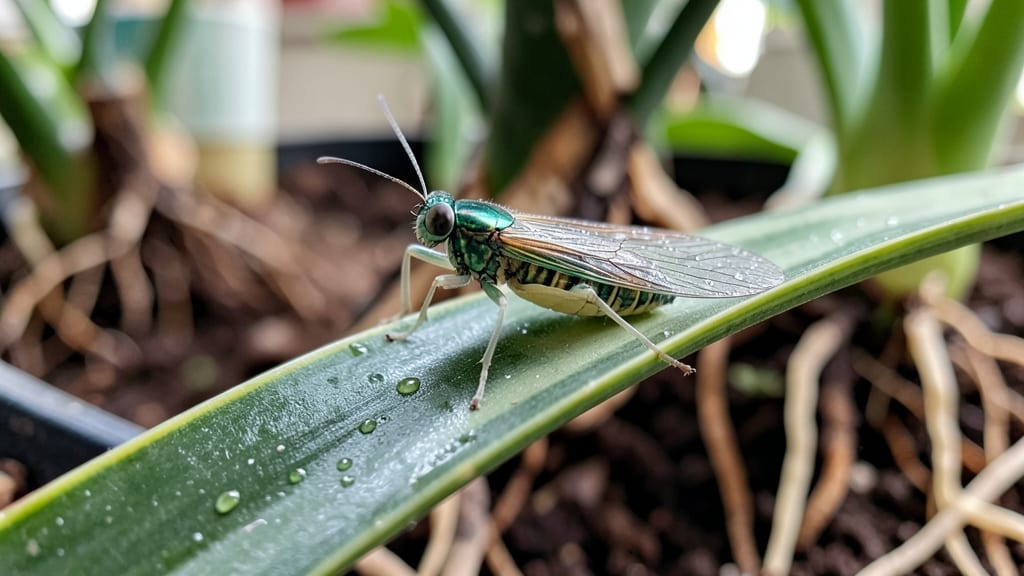
Giving a snake plant 🌱 the right amount of water means deep soaks every 2-3 weeks—not the light sprinkles that leave roots thirsty or the drownings that turn leaves yellow.
Overwatering is the #1 killer of snake plants—yet many gardeners drown these drought-resistant beauties without realizing it. The key? Let the soil dry completely between waterings, then give it a thorough drink until water runs out the drainage holes.
This drip-dry method keeps your snake plant thriving with fat, healthy leaves for years, whether it’s basking in bright indirect light or surviving in a dim corner. No guesswork, just science-backed care that matches its natural resilience.
Below, I’ll walk you through the exact schedule by season, how to check soil moisture like a pro, and what to watch for when your snake plant is either begging for water or drowning in it.


The snake plant watering schedule: how often and how much
Snake plants (Sansevieria) are famously drought-tolerant, but that doesn't mean they thrive on neglect. The key to keeping yours healthy lies in a consistent watering schedule that mimics their natural arid habitats.
Unlike thirsty houseplants, snake plants store water in their thick leaves, making them resilient but not invincible. My rule of thumb? Water only when the soil is completely dry—usually every 2-4 weeks, depending on your climate and pot size.
Many gardeners make the mistake of sticking to a rigid schedule, but snake plants don't follow calendars—they follow soil conditions. In my experience, checking moisture levels with your finger (the "finger test") is far more reliable than guessing.
This method prevents both root rot from overwatering and leaf dehydration from underwatering. Let me show you exactly how to do it right, season by season.
The comparison table below breaks down how often and how much to water your snake plant based on seasonal changes, pot size, and environmental factors.
For example, a 6-inch pot in summer heat may need water every 3-4 weeks, while a 12-inch pot in winter could go 6 weeks without water. Adjust these guidelines based on your home's humidity and light levels.
| Season | Watering Frequency | Water Amount (Per Session) | Soil Dryness Test |
|---|---|---|---|
| Spring | Every 2-3 weeks | 500ml (deep soak) | 2-3 inches dry |
| Summer | Every 3-4 weeks | 500-750ml (adjust for pot size) | 3-4 inches dry |
| Fall | Every 3-4 weeks | 500ml (reduce in late fall) | 2-3 inches dry |
| Winter | Every 4-6 weeks | 300-500ml (minimal water) | 3-4 inches dry (dormant phase) |
| Pot Size: 6-inch | Every 2-3 weeks | 300-500ml | 1-2 inches dry |
| Pot Size: 12-inch | Every 3-5 weeks | 750-1000ml | 3-4 inches dry |
To perform the finger test, stick your index finger about 2 inches into the soil. If it feels dry to the touch, it's time to water. If it's still damp, wait another week.
I’ve found that snake plants in terracotta pots dry out faster than those in ceramic because terracotta wicks moisture away. Pro tip: Use a moisture meter for accuracy if you're unsure—it takes the guesswork out of soil checks.
When watering, always aim for a deep soak rather than frequent light watering. This encourages the roots to grow deeper in search of moisture, making your plant more resilient. Pour water slowly until it drains out of the pot’s bottom holes, then empty the saucer immediately.
Stagnant water in saucers is a root rot magnet, and snake plants despise soggy conditions. My plants in well-draining soil mixes (like cactus or succulent blends) rarely need more than this deep-watering approach.
Humidity plays a surprising role in snake plant watering. In dry climates or during winter (when indoor air is often dry from heating), you might water slightly more often—every 3 weeks instead of 4. Conversely, in humid environments or during summer rains, reduce frequency to every 4-6 weeks.
I keep a small notebook near my plants to track watering dates and soil dryness, which helps me adjust seasonally without overthinking it.
One common mistake I see is watering based on a fixed calendar rather than the plant's needs. For example, some gardeners water every Sunday without checking soil conditions. This leads to either yellow leaf tips (from overwatering) or wrinkled leaves (from underwatering).
Trust the soil, not the clock. If your snake plant’s leaves start developing brown edges, it’s often a
Drip-dry method explained: step-by-step for perfect watering
The drip-dry method is my secret weapon for keeping snake plants happy—no more guessing if you're overwatering or underwatering. This technique mimics their natural drought tolerance by letting excess water drain completely before the next watering.
When done right, it prevents those dreaded yellow leaves and mushy stems that signal root rot. The key? Patience and proper pot size.
First, choose a pot with drainage holes—this isn't optional. Snake plants hate soggy feet, and without drainage, you're setting yourself up for failure. If your pot lacks holes, upgrade it or place a cache pot underneath to catch excess water.
The drip-dry method works best in terracotta or ceramic pots, which dry out faster than plastic.
Here's how to water like a pro using the drip-dry method:
- 1 Bottom-water your snake plant: Place the pot in a tray filled with 1-2 inches of water. Let the soil absorb moisture from the bottom for 10-15 minutes. This encourages deep root growth and prevents surface evaporation.
- 2 Drain completely: After watering, empty the tray and let excess water drain for 1-2 hours. The goal is thorough drainage—no standing water in the saucer. Lift the pot to check weight; it should feel noticeably lighter.
- 3 Wait for topsoil to dry: Stick your finger 1-2 inches deep into the soil. If it feels dry, your plant is ready for another round. In small pots (4-6 inches), this takes 2-3 weeks. For large pots (10+ inches), extend to 3-4 weeks—bigger pots dry slower.
- 4 Adjust for seasons: In winter (Zone 6+), reduce watering to every 4-6 weeks—your snake plant is basically hibernating. In summer heat, increase airflow with a small fan to speed up drying. Humidity lovers? Group plants together to create a microclimate.
Why does this method work so well? Snake plants store water in their thick leaves, so they thrive on infrequent, deep watering rather than frequent sips. The drip-dry technique ensures roots get oxygen and don't suffocate in wet soil.
Pro tip: If your snake plant develops yellow leaf tips, it's often a sign of overwatering—cut back immediately and let the soil dry out completely.
One common mistake? Skipping the drainage check. Always lift your pot after watering to confirm it's not sitting in water. If you notice mushy stems or black roots, your plant is begging for less water.
The drip-dry method might take a little more effort upfront, but it pays off with lush, vibrant leaves that stay healthy for years.
Give it a try—your snake plant will thank you with new growth and that coveted air-purifying power it's famous for. And remember, when in doubt, underwater slightly. These plants are survivors, and the drip-dry method lets them shine. 🌱