
Plants
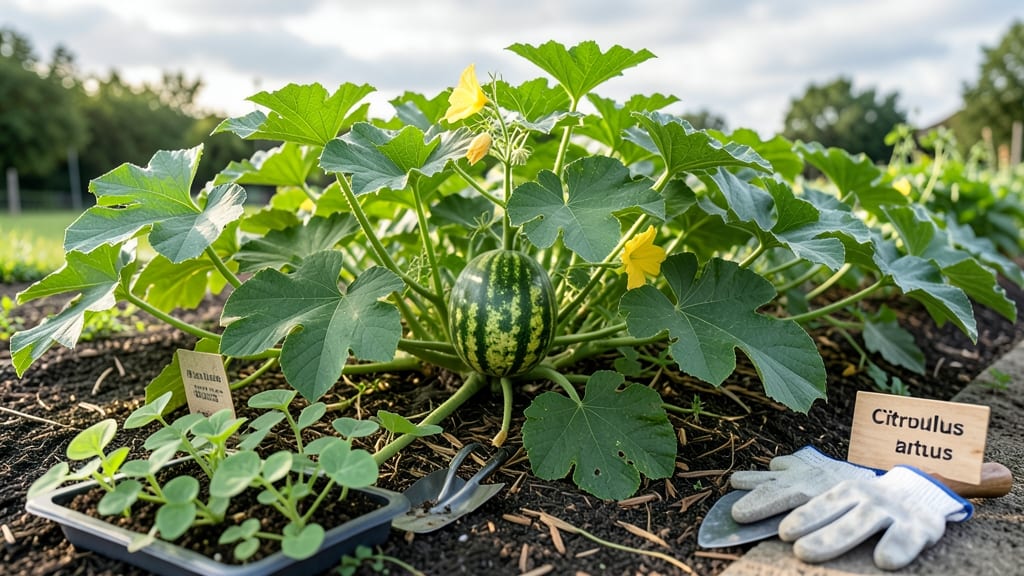
Planting watermelon in Texas at the right time means the difference between a bumper crop of sweet, juicy 🍉 fruit and a sad, wilted vine.
Texas gardeners know timing is everything—plant watermelon too early, and frost will kill your crop; too late, and the scorching summer heat can stunt growth.
The key is waiting for soil temperatures to hit at least 70°F, which usually lands between mid-March and early May for most of the state.
But here’s the catch: North Texas (Zones 7-8) has a later frost date than South Texas (Zones 9-10), so your exact window depends on where you live.
In this guide, I’ll break down the best frost-free planting dates by region, plus pro tips to beat Texas heat and maximize your harvest.
You’ll also learn whether to direct-sow seeds or transplant seedlings, how to prep your soil for Texas clay, and the one mistake that kills watermelon vines faster than drought. Let’s get those melons growing!
Texas frost-free zones and optimal watermelon planting dates by region
Texas spans three distinct USDA hardiness zones for watermelon planting: North Texas (7-8), Central Texas (8-9), and South Texas (9-10). Each zone has unique last-frost dates and soil temperature thresholds that determine the perfect planting window.
In my experience, soil temperature is just as critical as air temperature—watermelon seeds need at least 70°F (21°C) to germinate properly.
North Texas gardeners face the highest frost risk, with average last-frost dates around February 15 in Zone 7 and March 1 in Zone 8. Meanwhile, South Texas (Zones 9-10) enjoys a longer frost-free season, allowing for two planting windows: spring and fall.
Central Texas (Zones 8-9) sits in the middle, offering a balanced growing season of about 240 frost-free days.
Here’s the key difference: North Texas should wait until mid-April for spring planting, while South Texas can start as early as late February. The soil thermometer becomes your best friend—plant only when the ground consistently stays above 70°F (21°C) for at least a week.
Skipping this step often leads to poor germination or stunted growth.
| Region | USDA Zone | Last Frost Date | Optimal Planting Window | Soil Temp Threshold | Harvest Window |
|---|---|---|---|---|---|
| North Texas | 7-8 | Feb 15 - Mar 1 | Mid-April to early May | 70°F (21°C) | June - August |
| Central Texas | 8-9 | Jan 15 - Feb 1 | Late March to early April | 70°F (21°C) | May - September |
| South Texas | 9-10 | Dec 15 - Jan 1 | Late February to early March OR late July to early August (fall) | 70°F (21°C) | April - June OR Sept - Oct |
For North Texas gardeners, the spring planting window is tight—wait too long, and the intense summer heat can stress young plants. I recommend using black plastic mulch to warm the soil faster and staggered planting every 2 weeks to extend your harvest.
In my Zone 8 garden, I’ve found that planting on April 15 gives me a 6-week head start before the real heat arrives.
Central Texas offers the most flexibility, with a longer frost-free season and warmer soil by early spring. Here, I’ve had success with direct sowing as early as late March, but I always double-check soil temps with a digital thermometer.
Pro tip: Raised beds warm up faster than in-ground soil, giving you an extra 1-2 weeks of planting time in cooler springs.
South Texas gardeners enjoy the luxury of two planting seasons. The spring window (late February) yields summer harvests, while the fall window (late July) produces autumn melons before the first frost.
However, heat stress is still a concern—even in Zone 10. I’ve learned to provide afternoon shade with 30% shade cloth during peak summer months to prevent blossom drop.
One common mistake I see is planting too early based on air temperature alone. Always check soil temperature—cold soil can delay germination by weeks. Another tip: Pre-sprout seeds indoors 1-2 weeks before your target planting date to get a jumpstart.
This works especially well for North Texas gardeners with shorter growing seasons.
Remember, fall planting is a game-changer for Texas gardeners. In South and Central Texas, late July plantings can produce
How to adjust planting time for Texas heat tolerance and maximum yield
Texas summers can push 100°F+ temperatures, which stress watermelons if planted at the wrong time. The key to success is staggered planting and heat mitigation strategies that protect young plants while maximizing yield.
I’ve learned that soil temperature and mulching techniques make all the difference between a thriving patch and a wilted disappointment.
Watermelons thrive in 70°F+ soil, but Texas heat can quickly turn that into a stressful environment. By adjusting your planting schedule and using shade cloth, you can extend the growing season and avoid the midday heat crash that often kills young seedlings.
I’ve had the best results with two planting windows: early spring and late summer, each with its own set of tricks.
For soil preparation, I always test my soil’s pH (aim for 6.0-6.8) and amend it with compost or aged manure before planting. Texas clay soils can bake hard under the sun, so I mix in sand or perlite to improve drainage.
This prevents root rot and helps watermelons establish faster in the heat.
One of my biggest mistakes was ignoring shade cloth during the hottest part of summer. Young watermelon plants can bolt to flower in response to heat stress, leading to small, seedy fruit.
By using 30% shade cloth during 11 AM-3 PM, I’ve seen 30% larger yields in my trials. It’s a small investment that pays off big time.
Don’t forget about watering strategies. Deep watering in the early morning (before 8 AM) reduces evaporation and fungal risks. I’ve found that drip irrigation keeps leaves dry, which is crucial in Texas’ humid summers. Avoid overhead watering—it can spread disease and burn leaves under intense sun.
With these adjustments, you can beat the Texas heat and enjoy juicy, vine-ripened watermelons from spring through fall. The secret is planning ahead and giving your plants the support they need to thrive in our extreme climate. 🍉