Watering
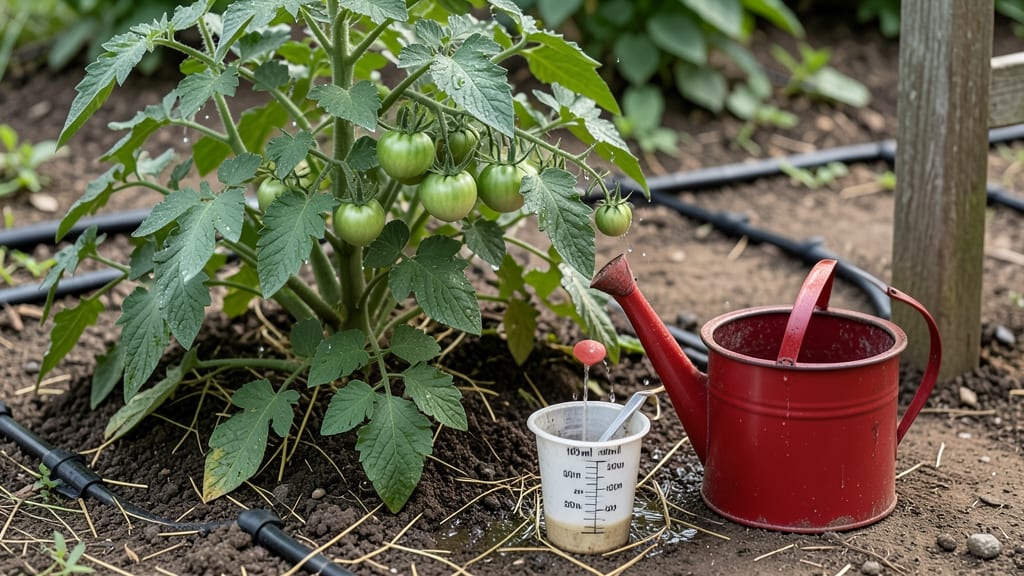
How much watering plants need depends on soil dryness: stick your finger 1-2 inches deep—if dry, water deeply until moisture reaches 6 inches down. Adjust frequency based on climate, soil type, and plant species to avoid over- or under-watering.
Understanding how much watering your plants truly need starts with checking soil moisture before you water. 🌱 The simple finger test reveals whether roots are getting enough hydration or if you're drowning them—overwatering is just as harmful as letting them dry out completely.
I've found that sandy soils drain faster, often requiring more frequent but shallower watering, while clay holds moisture longer and needs less frequent deep soaking. This balance is key to encouraging strong root systems that reach deeper for nutrients.
For most gardeners, the biggest mistake is watering based on a schedule rather than actual soil conditions.
Plants in containers dry out faster than in-ground ones, and succulents need far less than leafy vegetables. 💧 Pro tip: Water in the morning to reduce evaporation and fungal risks, and always water at the base rather than overhead to prevent disease.
The goal is consistent moisture in the root zone—not soggy soil or surface puddles.
💡 In This Article
- How Soil Moisture Affects Root Development
- Best Watering Techniques by Plant Type
How soil moisture affects root development
Roots thrive when soil moisture stays within a precise range—too dry, and they struggle to absorb nutrients; too wet, and they suffocate from lack of oxygen. The ideal moisture level keeps the root zone (typically the top 6-12 inches) consistently damp but not soggy.
This balance triggers a natural process called osmotic regulation, where roots actively draw water through their cell membranes, a mechanism that weakens when soil is either bone-dry or waterlogged.
Soil composition dramatically alters how water behaves. Sandy soils drain like a sieve, losing moisture within 24-48 hours—think of water flowing through a colander. In contrast, clay holds water like a sponge, often staying damp for 5-7 days or longer.
Loamy soils (the gardener's gold) strike a middle ground, retaining moisture while allowing oxygen flow. 💧 This is why plants in sandy areas often need daily watering in summer, while clay soils may only require weekly deep soaks.
Capillary action—the same force that makes water rise in a straw—plays a crucial role in root hydration. Tiny soil pores act as microscopic straws, pulling water upward to feed roots.
However, when pores fill with water (saturated soil), oxygen can't reach roots, leading to anaerobic conditions that produce toxic compounds like ethanol. This is why overwatered plants often develop yellow leaves or root rot.
Root growth actually slows when soil is constantly moist because roots prioritize reaching deeper for water in dry conditions. This phenomenon, called hydropatterning, explains why drought-stressed plants develop deeper, more robust root systems.
For example, a basil plant in sandy soil may grow roots 12+ inches deep within weeks, while the same plant in clay stays shallow and weak.
Seasonal shifts also demand adjustments. In summer, evaporation rates can double, requiring 30-50% more water than spring. Mulching with 2-3 inches of organic matter (like wood chips) reduces evaporation by 30-50%, mimicking natural forest conditions where moisture retention is critical for root health.
Here's what most gardeners miss: Surface moisture ≠ root moisture. A damp top layer can hide dryness below. Always check 1-2 inches deep—if it's dry, water until moisture reaches 6 inches down. Use a moisture meter for precision, especially with high-value plants like tomatoes or peppers.