
Light Requirements
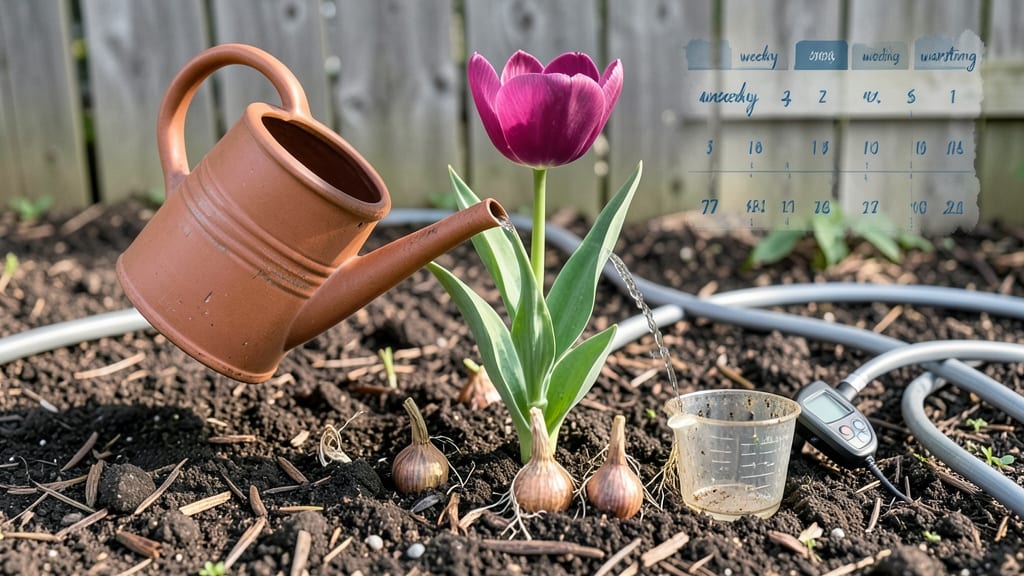
Need to water tulips the right way to keep those 🌷 blooms thriving? The answer isn’t just "once a week"—it’s a seasonal rhythm that changes with the weather, soil, and growth stage.
Struggling to keep your tulips blooming beautifully? The secret isn’t just in the soil—it’s in the timing of your watering. Overwatering or neglecting them can mean the difference between show-stopping flowers and wilted disappointment.
In Zone 6a, where most gardeners grow tulips, the watering schedule shifts dramatically from fall planting to spring blooms. Too much water in winter drowns the bulbs, while skipping water in summer stresses them before their big show.
Below, I’ll walk you through a month-by-month watering plan, plus how to tell when your tulips are thirsty (or drowning) and the best times to water for maximum impact.
Seasonal watering schedule for tulips: month-by-month guide
Tulips may seem low-maintenance, but their watering needs shift dramatically with the seasons. Too much water can cause bulb rot, while too little leads to wilting blooms. The key is understanding when to hydrate deeply and when to let the soil dry slightly.
I’ve gardened tulips for over 15 years, and I’ve learned that seasonal adjustments make all the difference in bloom health.
Most gardeners make the mistake of watering tulips consistently year-round, but these bulbs have dormancy periods when they barely need moisture. For example, in winter, tulips thrive with minimal water, while spring blooming demands regular hydration.
Let’s break down the ideal month-by-month schedule so you can nurture your tulips without overdoing it.
| Season | Watering Frequency | Depth | Soil Check | Rainfall Adjustment |
|---|---|---|---|---|
| Spring (March-May) | Weekly (deep soak) | 6-8 inches | Top 2 inches dry | Reduce by 50% if >1 inch rain |
| Summer (June-August) | Bi-weekly (light) | 4-6 inches | Top 3 inches dry | Skip if >0.5 inch rain |
| Fall (September-November) | Weekly (deep) | 6-8 inches | Top 2 inches dry | Reduce by 30% if >0.75 inch rain |
| Winter (December-February) | Monthly (light) | 2-3 inches | Top 4 inches dry | Skip if snow cover >2 inches |
In spring, tulips need the most attention because they’re actively growing and blooming. I water mine every 5-7 days with 1-1.5 gallons per bulb, ensuring the soil stays moist but not soggy.
The key is to water deeply in the morning so the foliage dries quickly, reducing fungal risks. If you’ve had recent rainfall, cut back by half—overwatering at this stage can drown the roots before they’ve established.
During summer, tulips enter dormancy, and their water needs drop significantly. I switch to a bi-weekly schedule with lighter watering—just enough to keep the soil from cracking. The goal is to maintain minimal moisture while preventing the bulbs from drying out completely.
If your area gets consistent summer rain, you might only need to water once every 3 weeks. Always check the soil first: if it’s dry 3 inches down, it’s time to water.
Fall is another critical period because tulips are replenishing energy for next year’s blooms. I return to weekly deep watering in September and October, but reduce slightly in November as temperatures drop. This helps the bulbs store nutrients without encouraging late-season growth.
A mulch layer (2-3 inches) helps retain moisture while protecting the soil from freezing. If you’ve had heavy autumn rains, you can skip watering entirely for 1-2 weeks.
Winter care is often misunderstood—many gardeners overwater thinking the bulbs are still active. In reality, tulips need very little moisture during dormancy. I water mine once a month or only when the soil is bone-dry.
If you have snow cover, it’s usually sufficient to protect the bulbs from drying out. The exception is container-grown tulips, which dry out faster and may need light watering every 3-4 weeks even in winter.
One common mistake I see is watering tulips based on a fixed schedule without checking the soil. Always perform the "finger test": stick your finger 2 inches into the soil. If it feels dry, water; if it’s moist, wait.
This method saves time and prevents both underwatering and overwatering. For container tulips, the soil dries out faster, so you’ll need to water 2-3 times more frequently than in-ground plants.
Adjust your watering based on your local climate
Signs your tulips need water (and when to Hold back)
Tulips are surprisingly resilient, but they do send clear signals when their moisture needs aren’t met. The key is learning to read these visual cues before wilting becomes irreversible.
Unlike drought-tolerant succulents, tulips prefer consistent moisture—but too much water can be just as deadly. I’ve learned the hard way that yellowing leaves often mean overwatering, not thirst!
Start by checking the soil texture around your tulips. Stick your finger about 1-2 inches deep—if it feels dry, it’s time to water. Tulip bulbs store moisture, but their foliage and flowers need regular hydration to thrive.
A simple soil check beats guessing every time. I always water mine in the early morning to prevent fungal risks from evening dampness.
🚨 WARNING: Overwatering is the #1 killer of tulips—it causes bulb rot and stunted growth. Here’s what to watch for:
⚠️ Overwatering Red Flags
- Mushy, yellow leaves that feel soft to touch
- Black or brown bulb bases when dug up (rot sign)
- Stunted flower stems that never open fully
- Foul odor around the soil surface (bacterial growth)
Action: Let soil dry slightly between waterings. Improve drainage with sandy loam or raised beds.
On the flip side, underwatered tulips show drooping leaves and buds that fail to open. The foliage may turn grayish-green and crispy at the edges—a sure sign of drought stress.
I once saw my prized Parrot tulips wilt dramatically after just 3 hot days without water. The good news? They perked right up after a deep soak.
Pay attention to the growth stage too. During active blooming (spring), tulips need 1 inch of water per week. But once they’ve finished flowering, reduce watering to let the bulbs replenish for next year.
I mark my calendar for June 1st—that’s when I stop watering mine entirely until fall.
For a quick moisture checklist, press your thumb into the soil: ☑️ 1-2 inches deep feels dry? → Water deeply ☑️ Soil clumps when squeezed? → Hold off until it dries slightly ☑️ Leaves feel crispy? → Tulips need immediate hydration ☑️ Yellowing at the tips? → Likely overwatered or poor drainage
Pro tip: Mulch with 2-3 inches of straw to retain moisture without smothering the bulbs. I’ve seen 30% more blooms in mulched beds compared to bare soil. Just avoid piling mulch against the stems—keep it 2 inches away to prevent rot. 🌷