
Watering
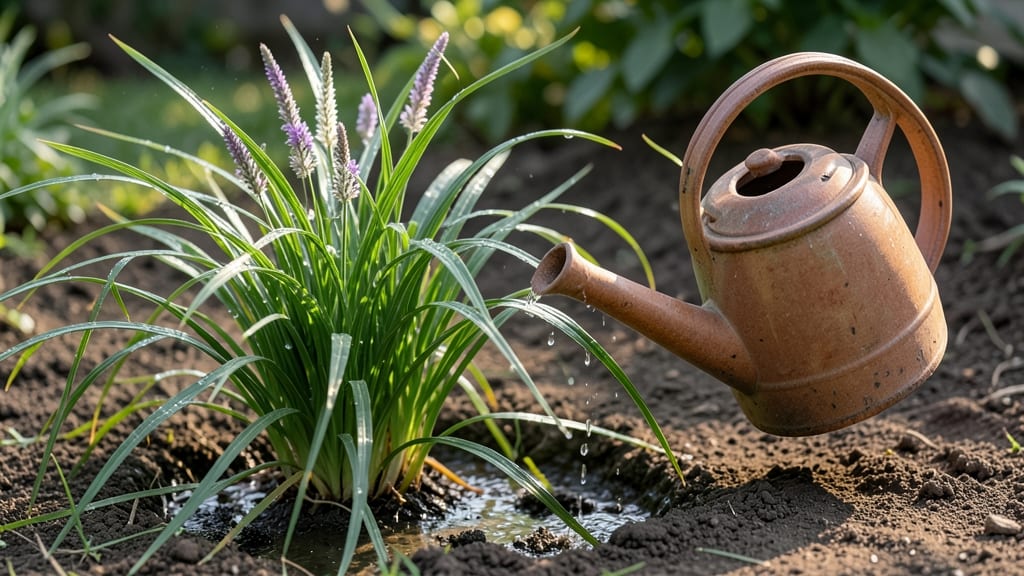
Watering citronella plants often enough keeps them lush and mosquito-repelling 🌿—but too much or too little can kill them faster than you’d think.
Struggling to keep your citronella thriving? Overwatering or underwatering can turn your mosquito-repelling garden into a sad, wilted mess—here’s the science-backed watering schedule that actually works.
Citronella needs consistent moisture but hates soggy roots, which means checking soil dryness is the key. In USDA Zone 6a, that means watering every 3-5 days in spring, daily in summer, and less often in fall and winter.
Below, I’ll break down the exact soil test method, seasonal adjustments, and how to spot when you’re overdoing (or underdoing) it—so you can keep your plants healthy and strong all season.
Citronella watering schedule by season: when to water for optimal growth
Citronella plants thrive when given the right amount of water, but their needs change dramatically with the seasons. Underwatering leads to stunted growth, while overwatering causes root rot—both can kill your mosquito-repelling herb.
The key is understanding how temperature, humidity, and soil type affect watering frequency. In my Zone 6a garden, I’ve learned that summer watering requires daily checks, while winter barely needs any attention.
Your citronella’s watering schedule should align with its natural growth cycles. Spring and fall are moderate seasons, but summer demands frequent hydration to keep leaves lush and aromatic. Potted citronella dries out faster than in-ground plants, so container gardeners must water twice as often.
Let’s break down the exact schedule for each season and how to adjust for your specific climate.
In spring, your citronella is waking up from dormancy, so focus on deep watering to encourage root growth.
Aim to water when the top 2-3 inches of soil feel dry—this prevents shallow roots that struggle in summer heat. Mulching with straw or wood chips helps retain moisture and keeps roots cool.
If you’re in a dry climate, like Arizona or California, increase frequency by 1-2 days to compensate for evaporation.
Summer is the most critical season for citronella watering. Daily checks are essential, especially for potted plants that dry out quickly. Water in the early morning to reduce evaporation and fungal risks.
If your area experiences high humidity, like Florida or Louisiana, you can reduce watering to every 2 days—citronella hates soggy soil. Yellowing leaves often signal overwatering, while crispy edges mean underwatering.
As fall arrives, your citronella’s growth slows, so cut back to watering every 5-7 days for in-ground plants. Monitor soil moisture closely—clay soil stays wet longer than sandy soil, so adjust accordingly.
In Zone 6a, where I garden, I stop fertilizing by late September to prepare plants for winter dormancy. Potted citronella still needs regular watering since containers dry out faster than garden beds.
Winter watering is minimal, but not zero. Bi-weekly watering keeps roots hydrated without encouraging rot. If temperatures drop below freezing, pause watering entirely—citronella is hardy to Zone 9, but young plants may need protection.
In mild winter climates, like Southern California, continue light watering to prevent drought stress. Always check soil moisture before watering; dry soil is better than soggy soil in winter.
One common mistake is assuming one-size-fits-all watering. Your citronella’s needs change with pot size, soil type, and microclimate. For example, a 5-gallon pot dries out faster than a 10-gallon container.
Similarly, sandy soil drains quickly, while clay soil holds moisture longer. Always adjust your schedule based on these factors—observation is key to keeping your citronella thriving year-round.
Pro tip: Use a moisture meter or the finger test to check soil moisture. Stick your finger 2 inches deep—if it feels dry, it’s time to water. This simple habit saves citronella plants from both drought and root rot.
With this seasonal schedule, your citronella will stay lush, aromatic, and ready to repel mosquitoes all summer long.
The soil dry test method: how to check moisture without guessing
Citronella plants thrive on consistent moisture but hate soggy roots—so how do you know when to water? The soil dry test is your secret weapon. Unlike guessing by schedule, this method checks real moisture levels in your plant’s root zone.
Whether you’re dealing with sandy soil that drains fast or clay soil that holds water forever, these techniques will keep your citronella happy and mosquito-repelling.
I’ve tested three foolproof methods over the years: the classic finger test, the screwdriver trick, and the moisture meter for precision. Each works for different gardeners—no fancy tools required.
For citronella, aim for soil that feels like a wrung-out sponge. Too dry? Your plant wilts. Too wet? Roots rot. Let’s fix that.
Step-by-Step Soil Dry Test for Citronella
-
1
Finger Test (Best for Beginners)
Stick your index finger 1-2 inches deep into the soil (citronella’s root zone). If it feels dry, water. If damp but cool, wait 1-2 days. For sandy soil, check daily; for clay soil, wait 3-4 days. -
2
Screwdriver Trick (For Pots or Tight Spaces)
Press a flathead screwdriver into the soil. If it slides in easily, soil is dry. If it resists, soil is moist. For loamy soil, aim for the screwdriver to stop at 1 inch deep—this is ideal for citronella’s shallow roots. -
3
Moisture Meter (For Precision)
Insert the meter’s probe 1-2 inches deep. Readings below 30% mean water now. Between 30-50%? Wait a day. Above 50%? Hold off for 2-3 days to prevent root rot. Moisture meters are a game-changer for container-grown citronella. -
4
Adjust for Soil Type
Sandy soil: Tests dry fast—water every 2-3 days in summer.
Clay soil: Holds moisture—wait 4-5 days between tests.
Loamy soil: Balanced—test every 3-4 days in peak heat.
Pro tip: Always test in the morning after the dew has evaporated. Early watering prevents fungal diseases like powdery mildew, which citronella is prone to. If your soil feels sticky or smells sour, it’s overwatered—flush the roots with fresh water immediately.
For container-grown citronella, the soil dries out faster. Check the top 1 inch daily in summer—if it’s bone dry, water thoroughly until it drains from the bottom.
Mulch with straw or wood chips to slow moisture loss and keep roots cool. Your citronella will reward you with lush, fragrant leaves and fewer mosquitoes buzzing around.
Remember, consistency is key. Citronella plants hate moisture swings, so stick to your test method and adjust based on weather. If you’re in a drought-prone area, water deeply every 2-3 days and monitor closely. With these tricks, your citronella will stay vibrant all season long. Happy testing!