
How To
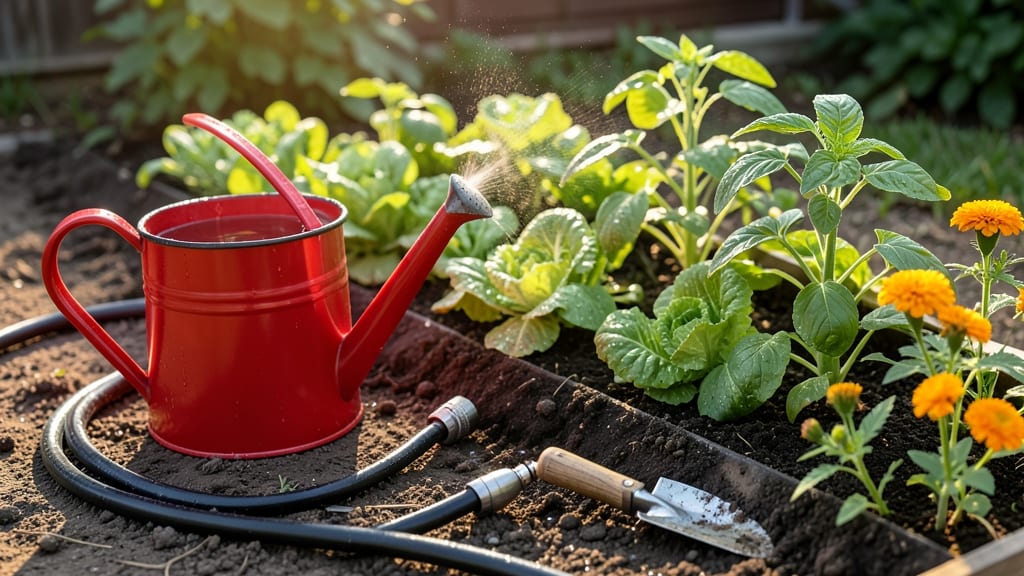
To water your garden properly means checking soil moisture, plant types, and seasonal shifts—not just guessing how often to water garden plants.
Struggling to keep your garden thriving without drowning plants in water—or letting them wilt from neglect? The secret lies in understanding your soil’s unique needs, not just following generic watering schedules.
Most gardeners overwater by default, thinking more moisture equals healthier plants. But soggy soil suffocates roots, while dry patches leave plants gasping for hydration. The key? A personalized approach that accounts for your 6a climate, soil texture, and even the time of day you water.
In this guide, I’ll break down how to read your soil, adjust for spring warmth and summer heat, and use simple tools like moisture meters to cut waste while keeping every 🌱 plant thriving.
Soil test tricks to determine your garden’s exact watering needs
Overwatering wastes precious resources while underwatering stresses plants—both can kill your garden if you’re not careful. The key to perfect watering lies in your soil’s unique characteristics, not just following a one-size-fits-all schedule.
By testing your soil’s moisture retention, texture, and drainage, you’ll create a personalized watering plan that keeps roots happy without drowning them.
Most gardeners guess their watering needs, leading to either soggy soil or parched roots. But with simple DIY soil tests and a few tools like a moisture meter or soil probe, you can turn guesswork into precision.
I’ll walk you through the easiest ways to assess your soil and adjust your watering routine for thriving plants—no more wasted water or wilting surprises.
🌱
The first step is the jar test—dig a 6-inch soil sample, mix it with water in a clear jar, and shake. After 24 hours, observe the layers: sandy soil settles quickly with little silt, while clay stays muddy.
Loamy soil (the gold standard) has distinct layers: large particles at the bottom, silt in the middle, and organic matter on top. Adjust your watering based on these results—sandy soil needs frequent, shallow watering, while clay requires deep, infrequent soaks.
Next, use the finger test to check moisture: Stick your index finger 1-2 inches into the soil. If it feels dry, it’s time to water. For container plants, lift the pot—if it’s light, the soil is dry.
Pair this with a moisture meter ($20 at garden centers) for precision, especially during summer heatwaves or winter dormancy. These tools measure moisture levels directly, eliminating guesswork.
💧
Don’t forget to factor in your plant types—succulents and lavender thrive on neglect, while lettuce and basil demand consistent moisture. Group plants with similar needs together in your garden layout to simplify watering.
For example, herbs like basil and parsley need 1-1.5 inches of water weekly, while drought-tolerant rosemary survives on half that amount. Adjust your schedule seasonally: summer may require daily checks, while winter could stretch watering to every 2 weeks.
Mulch is your secret weapon for water retention. Apply a 2-3 inch layer of organic mulch (straw, wood chips) around plants to slow evaporation and keep roots cool. This reduces watering frequency by 30-50% while preventing soil crusting.
Pair mulch with drip irrigation or soaker hoses to deliver water directly to roots, minimizing waste. Avoid overhead sprinklers—they encourage fungal diseases and waste water through evaporation.
🌿
Watch your plants for visual cues
Watering frequency by plant type: a seasonal breakdown
Not all plants drink the same way—herbs need frequent sips while succulents prefer desert conditions. Your watering schedule should shift with the seasons, too. In summer, I water my tomatoes every 2-3 days, but in winter, I barely touch my roses at all.
Let’s break down exactly how often to water each plant type, plus how containers and in-ground beds change the game.
Containers dry out faster than soil, so potted peppers might need watering daily in July, while in-ground lavender can survive weeks without a drop. The key is checking soil moisture—not just following a calendar. Stick your finger 1-2 inches deep; if it’s dry, it’s time to water.
For seasonal adjustments, I cut back watering by 50% in fall and nearly stop in winter unless we get a frost.
| Plant Type | Spring | Summer | Fall | Winter | Container Notes |
|---|---|---|---|---|---|
| Vegetables (Tomatoes, Peppers, Lettuce) | 2-3x/week (deep) | Daily (morning) | 1x/week | Minimal (ice melt) | Water when topsoil dries |
| Flowers (Roses, Marigolds, Petunias) | 2x/week | Every 2-3 days | 1x/week | None (dormant) | Check daily in heat |
| Herbs (Basil, Mint, Thyme) | 3-4x/week | Daily (light) | 2x/week | None (harvest before frost) | Never let dry out |
| Shrubs (Hydrangeas, Boxwoods) | 1x/week | Every 4-5 days | Bi-weekly | Monthly (if no snow) | Mulch to retain moisture |
For summer heatwaves, I switch to drip irrigation or soaker hoses to keep roots cool. During these spikes, I water my container plants twice daily—once in the morning and again in the late afternoon.
Even in-ground plants like zucchini need extra attention, so I mulch heavily to lock in moisture. In winter, I focus only on evergreens and bare-root plants, giving them just enough to prevent desiccation.
One common mistake? Watering leafy greens like spinach too heavily in summer—they bolt faster. Instead, I water deeply but less often, aiming for 1-2 inches per week total. For succulents and cacti, I wait until the soil is bone-dry before watering again, usually every 3-4 weeks in summer.
The trick is observing your plants: wilting leaves mean thirsty roots, while yellowing leaves signal overwatering.
Don’t forget that rainfall changes everything. If we get 1 inch of rain, I skip watering for a week—even my container herbs. Use a rain gauge to track precipitation, and adjust your schedule accordingly.
For newly planted shrubs, I water deeply every 3-4 days for the first month to encourage root growth, then taper off as they establish. Consistency is key, but flexibility is what keeps your garden alive.
Pro tip: Group plants with similar water needs together in your garden layout. This way, you can water entire sections at once without overcomplicating your routine. And always water at the base of plants, not the leaves, to prevent fungal diseases like powdery mildew.
With this seasonal breakdown, you’ll never guess again—just observe, adjust, and enjoy a thriving garden all year round. 🌱