
How To
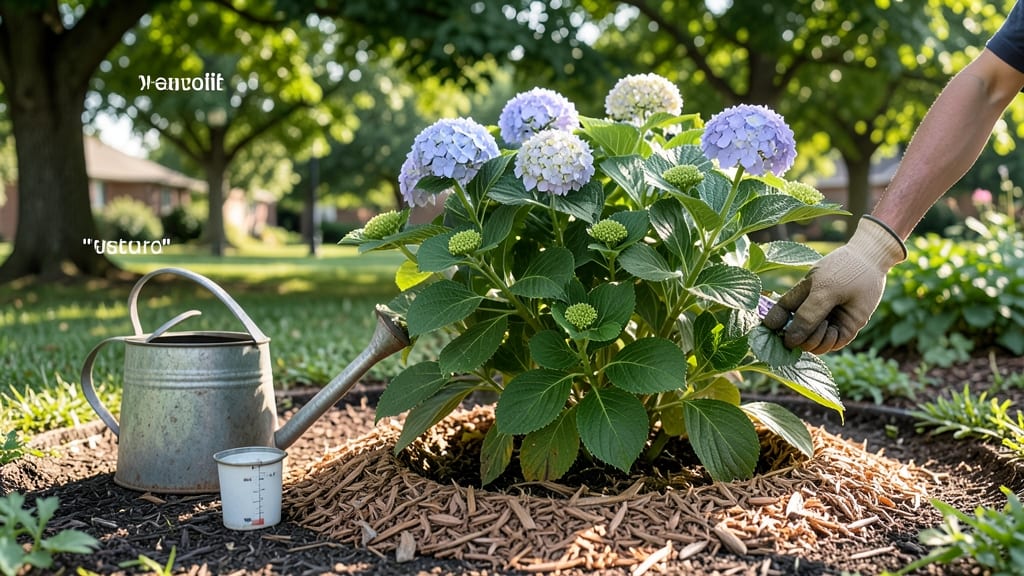
Watering hydrangeas the right way keeps those big, showy blooms 🌸 thriving all season long—because how often you water them makes all the difference between lush clusters and sad, wilted stems.
Too much or too little water, and you’ll end up with droopy leaves or flowers that never open. I’ve seen it happen—even to the most careful gardeners—so let’s cut through the guesswork and get it right.
Your hydrangeas’ watering schedule isn’t one-size-fits-all. It depends on your soil type, whether you’re getting steady rain, and even which season it is. A clay-heavy garden holds moisture longer than sandy soil, and summer heat demands more frequent drinks.
Here’s how to time it perfectly: when to soak deeply, when to hold back, and how to tell if you’re getting it just right—so your hydrangeas stay happy, healthy, and bursting with color.
Hydrangea watering frequency by season: a month-by-month guide
Mastering your hydrangea watering schedule is the secret to those show-stopping blooms you dream of. These moisture-loving shrubs thrive on consistency, but their needs shift dramatically with the seasons. Too much water in winter can rot roots, while summer drought stresses plants before they even bud.
Let’s break down exactly how often to water hydrangeas each month to keep them lush year-round.
Your hydrangeas need 1-2 inches of water weekly during active growth (spring-fall), but this changes with temperature fluctuations and rainfall. Young plants (1-2 years old) need more frequent watering than mature shrubs.
Even soil type plays a role—clay soil holds moisture longer than sandy soil, so adjustments are key. Let’s dive into the seasonal watering calendar that’ll have your hydrangeas thriving.
| Season | Month | Watering Frequency | Depth | Adjustments | Notes |
|---|---|---|---|---|---|
| Spring | March | Every 5-7 days | 6-8 inches | Reduce if rain >1 inch/week | 🌱 New growth begins |
| April | Every 4-5 days | 8-10 inches | Increase for sandy soil | 🌿 Bud formation | |
| May | Every 3-4 days | 10-12 inches | Daily in drought | 🌸 Peak blooming prep | |
| June | Every 2-3 days | 12+ inches | Morning watering only | ☀️ High evaporation | |
| Summer | July | Every 2 days | 12-15 inches | Mulch heavily | 🔥 Heat stress risk |
| August | Every 2-3 days | 10-12 inches | Check soil daily | 💧 Drip irrigation ideal | |
| September | Every 4-5 days | 8-10 inches | Reduce as temps drop | 🍂 Post-bloom recovery | |
| Fall | October | Every 5-7 days | 6-8 inches | Stop by first frost | 🌬️ Prepare for dormancy |
| November | Bi-weekly | 4-6 inches | Only if drought | 🍃 Minimal water needed | |
| Winter | December-February | Monthly (if no snow) | 2-3 inches | Never water frozen ground | ❄️ Dormant phase |
Spring is all about encouraging root growth before blooming season. Start with deep watering every 5-7 days in March, then increase frequency as temperatures rise. April and May are critical—your hydrangeas need 8-12 inches of moisture to develop those showy flower buds.
I like to use a moisture meter during these months to avoid guesswork. If your soil feels dry 2 inches down, it’s time to water.
Summer demands the most attention. With high evaporation rates, hydrangeas can dry out in just 48 hours on hot days. Water every 2-3 days in July and August, always in the early morning to prevent fungal diseases.
A 3-inch layer of mulch around the base helps retain moisture. Pro tip: Group hydrangeas together to create a microclimate that reduces water loss.
Fall watering should gradually decrease as the plant prepares for dormancy. By October, reduce frequency to every 5-7 days and stop completely once frost arrives.
Overwatering in fall can lead to root rot before winter. I’ve seen many gardeners make this mistake and lose entire shrubs—don’t let it happen to you!
Winter care is often misunderstood. Hydrangeas are dormant and only need water if there’s prolonged drought or no snow cover. A monthly check is sufficient, but never water if the ground is frozen. The exception? Container-grown hydrangeas need bi-weekly watering in winter since pots dry out faster.
Adjust your schedule based on local rainfall. Use a rain gauge to track weekly totals—if you get 1 inch or more, skip manual watering. In drought conditions, consider drip irrigation or soaker hoses for consistent moisture.
Remember: hydrangea flower color (blue vs. pink) is also influenced by soil pH and moisture consistency—keep that in mind when planning your watering routine.
For container hydrangeas, the rules change slightly. Potted plants dry out 3x faster than in-ground shrubs. Check soil moisture daily in summer—if the top inch feels dry, water thoroughly.
Move containers to shadier spots during heatwaves to reduce water needs. A self-watering pot can be a game-changer for busy gardeners.
Watch for signs of stress like drooping leaves or yellowing foliage—these often mean your watering schedule needs adjustment. Overwatered hydrangeas develop
Soil type matters: adjusting watering for clay, sandy, OR loamy gardens
Your hydrangeas' soil type determines how often you need to water—clay holds moisture for days, while sandy drains within hours. Loamy soil strikes the perfect balance, but even it needs adjustments during heatwaves.
Understanding your soil's behavior prevents root rot from overwatering or wilting from thirst, keeping those lush blooms vibrant all season.
Hydrangeas thrive in moist but well-draining soil, but their needs shift dramatically based on your garden's composition. For example, my clay-heavy garden requires watering every 5-7 days in summer, while my neighbor's sandy soil needs daily checks. The key? Knowing your soil's personality and adapting your watering routine accordingly.
| Soil Type | Drainage Speed | Watering Frequency | Adjustments Needed |
|---|---|---|---|
| Clay | Slow (holds water 3-5 days) | Every 5-7 days (less in rain) | Add organic matter (compost) |
| Loamy | Moderate (holds water 2-3 days) | Every 3-5 days (daily in heat) | Mulch to retain moisture |
| Sandy | Fast (dries in 1-2 days) | Every 1-2 days (morning watering) | Mix in peat moss or compost |
If your soil feels sticky when wet (clay), focus on deep, infrequent watering to encourage roots to grow downward. For sandy soil that falls through fingers, water lightly but frequently to prevent drought stress.
I once had hydrangeas in a raised bed with sandy soil—skipping daily watering during a heatwave caused the buds to dry up completely!
To improve clay soil naturally, mix in 3-4 inches of compost before planting or top-dress annually. For sandy soil, amending with 1 part peat moss to 2 parts soil helps retain moisture.
Even loamy soil benefits from a 2-inch mulch layer (straw or shredded leaves) to reduce evaporation and keep roots cool.
Pro tip: Stick your finger 2-3 inches into soil—if it's dry, water deeply until moisture reaches 6 inches down. Hydrangeas reward proper watering with larger blooms and brighter colors, whether you're aiming for blue or pink flowers. The right soil adjustments make all the difference!
Remember, seasonal shifts matter too. In summer, even well-draining soil may need daily watering during heatwaves, while winter slows everything down. Always check soil moisture before watering—your hydrangeas will thank you with show-stopping blooms all season. 🌸