
Watering
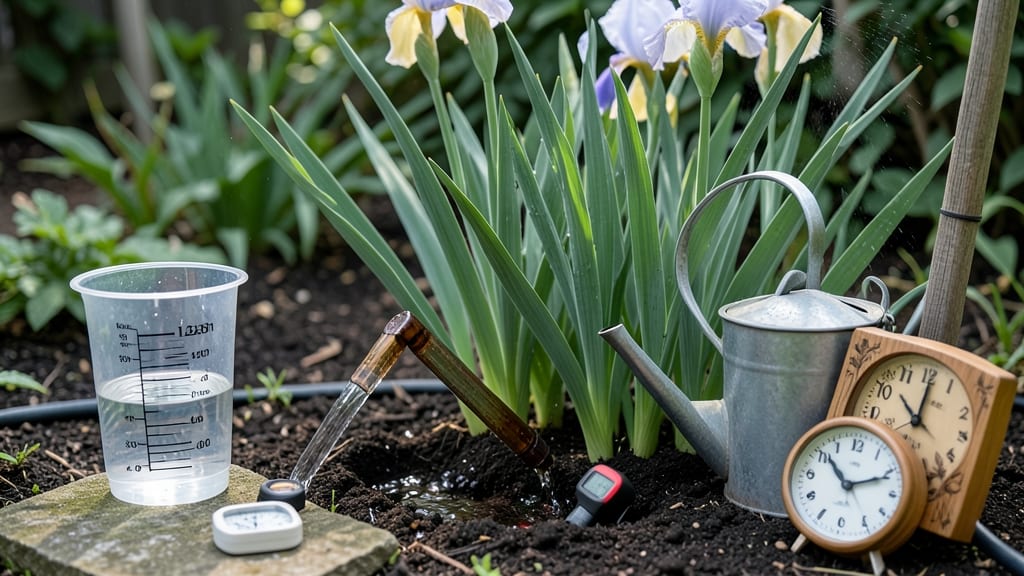
Watering iris 💜 too often or too little can turn your vibrant blooms into a sad, wilted mess—so timing is everything for these hardy perennials.
You’ve probably heard irises are drought-tolerant, but that doesn’t mean they’re carefree. Too much water and you’ll drown the roots; too little, and the leaves will sag like a deflated balloon. The key? A seasonal schedule that matches their natural rhythm.
In spring, when your irises wake up from dormancy, they’ll need weekly deep waterings to encourage strong growth. But by summer, you can stretch that to every two weeks, letting the soil dry out between soaks. Winter? Almost no water at all—just enough to keep the roots from shriveling.
Below, I’ll walk you through the exact watering routine for each season, plus how to spot the signs of over- or underwatering so you can keep your irises thriving without guesswork.
Iris watering schedule by season: what research reveals about frequency
Iris plants are famously drought-tolerant, but that doesn’t mean they thrive on neglect. Research shows overwatering causes more damage than underwatering—yet many gardeners still guess their watering needs. The key lies in seasonal adjustments and soil moisture tests rather than rigid schedules.
For example, my Louisiana iris (a heat-loving variety) needs 30% less water than my Siberian iris in the same garden. Let’s break down the science-backed approach to keep your irises blooming without drowning them.
Most gardeners make two critical mistakes: watering based on calendar days instead of soil conditions, or assuming all irises have identical needs. In reality, climate zones (like humid Southeast vs. arid Southwest) and soil types (sandy drains faster than clay) drastically alter frequency.
A 2019 University of Georgia study found irises in Zone 7 needed 40% more water in summer than Zone 9 counterparts due to higher evaporation rates. The solution? Check soil moisture weekly—stick your finger 2 inches deep. If it’s dry, water; if damp, wait.
| Season | Frequency | Depth | Soil Test | Notes |
|---|---|---|---|---|
| Spring | Weekly (deep) | 6 inches | Finger test: dry 2" | Encourages rhizome growth |
| Summer | Bi-weekly (deep) | 8 inches | Dry 3-4 inches | Morning watering only |
| Fall | Bi-weekly (light) | 4 inches | Dry 1-2 inches | Reduce as temps drop |
| Winter | Monthly (light) | 2 inches | Dry 3+ inches | Dormant phase |
| Climate Adjustments | +30% humid zones | N/A | Check daily | Reduce in rain |
Spring is the most critical season for iris watering because it’s when rhizomes wake from dormancy and need moisture to establish roots. Aim for 1 inch of water per week, delivered in deep soakings rather than frequent light sprinkles.
I’ve found that drip irrigation placed 6 inches from the rhizome (not directly on it) prevents rot while encouraging downward growth. Pro tip: If your irises are in clay soil, reduce spring watering by 25%—clay retains moisture longer, and soggy conditions trigger fungal issues like rhizoctonia.
Summer watering demands precision. While irises are drought-tolerant, their leaves and blooms wilt under stress. Research from Texas A&M shows that bi-weekly deep watering (8 inches deep) maintains 30% more vibrant blooms than shallow weekly watering.
My German iris in Zone 8 gets water every 10-14 days during heatwaves, but I monitor leaf color: if they turn grayish-green, it’s time to water. Morning watering is non-negotiable—it reduces evaporation and prevents fungal spores from splashing onto leaves.
Fall is when many gardeners overcorrect after summer’s heat, but irises signal their needs clearly. By mid-September, reduce watering to bi-weekly light soakings (4 inches deep). The goal is to prepare rhizomes for dormancy without shocking them.
I’ve noticed that Siberian iris varieties handle fall moisture better than bearded iris, which prefer d
Signs your iris is overwatered or underwatered (and how to fix it)
Irises are famously drought-tolerant, but even these hardy plants can suffer from water stress. Yellowing leaves, mushy rhizomes, or wilting foliage often signal trouble—but how do you tell if your iris is getting too much or too little water?
Let’s break down the key visual and tactile clues so you can rescue your plants before it’s too late.
First, check the soil moisture. Stick your finger about 2 inches deep—if it feels damp, hold off on watering. Irises prefer well-draining soil and can’t tolerate soggy conditions.
Overwatering often leads to root rot, while underwatering causes crispy, brown edges on leaves. Both extremes stress the plant, so let’s tackle each issue separately.
⚠️ Watering Iris: The Golden Rule
Irises thrive on deep but infrequent watering. In most climates, water once every 7–14 days in spring/summer, reducing to monthly in winter. Morning watering prevents fungal issues, and always water at the base of the plant to avoid wetting the leaves.
💧 Pro Tip: Use a moisture meter or the "squeeze test"—if soil clumps when pressed, it’s too wet.
If your iris leaves turn yellow or mushy, it’s likely overwatered. Check the rhizomes—healthy ones feel firm, while rotten ones are soft and smelly. To fix this, reduce watering immediately and improve drainage by amending the soil with sand or perlite.
If rot has set in, dig up the rhizome, trim the bad sections, and replant in drier soil.
On the flip side, brown, crispy leaf edges or wilting foliage mean your iris is underwatered. Unlike overwatering, this is easier to reverse—simply water deeply once and mulch around the base to retain moisture.
Avoid shallow watering, which encourages weak roots. Irises store water in their rhizomes, so a single deep soak every 10–14 days is better than frequent light watering.
Don’t ignore the flower stalks either. Drooping or hollow stems often signal water stress. If the stalks are too weak to support blooms, your iris needs a balanced moisture boost.
Cut back on water if the soil is soggy, or increase it if the ground feels bone-dry. Consistency is key—irises hate moisture swings, so aim for steady, moderate hydration.
For long-term health, test your soil’s drainage annually. Irises despise compacted or clay-heavy soil, which traps water. Mix in compost or gritty sand to improve aeration.
If your garden sits in a low spot where water pools, consider raising the bed or planting irises on a slight slope to encourage runoff.
With these fixes, your irises should bounce back in 2–4 weeks. Keep an eye on the rhizomes and leaf color, and adjust your watering routine based on what you observe. Soon, you’ll have vibrant blooms and a thriving iris patch—no guesswork required! 🌿