
How To
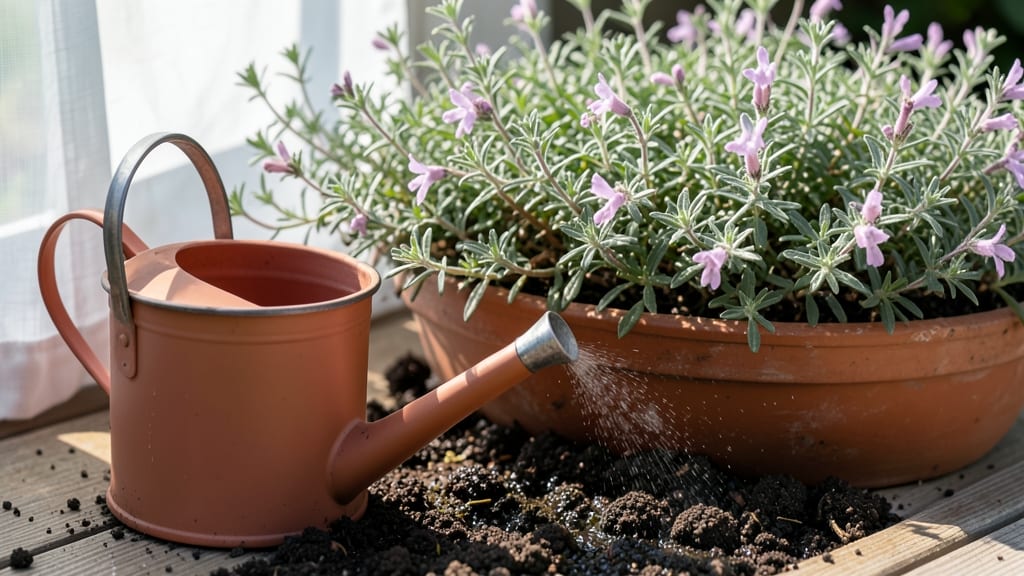
Water thyme only when the top 1-2 inches of soil feel completely dry to the touch—this simple rule keeps your 🌿 thriving without drowning its roots.
Thyme thrives on consistency—but overwatering can turn your fragrant herb garden into a soggy disaster. Mastering the perfect watering rhythm means the difference between lush, aromatic leaves and a sad, wilted plant.
Most gardeners water thyme too often, especially in containers where moisture evaporates faster. A quick finger test in the soil is all you need to avoid root rot while keeping your plants hydrated just enough.
In this guide, I’ll break down seasonal adjustments, climate tweaks, and the best tools to check soil moisture—so you can water thyme like a pro, whether it’s in pots or planted in the ground.
The ideal watering schedule for thyme based on season and climate
Thyme is a hardy herb that thrives on consistent but infrequent watering. Unlike delicate annuals, thyme stores water efficiently in its woody stems, making it drought-tolerant once established.
However, this doesn't mean you can neglect it—overwatering is the #1 killer of thyme plants, leading to root rot and fungal diseases. The key is understanding how seasonal changes and climate conditions alter your watering routine, whether your thyme is growing in containers or in-ground beds.
In dry climates (USDA Zones 5-9), thyme often needs water every 10-14 days during summer, while humid regions (like the Pacific Northwest) may require watering every 7-10 days to prevent fungal issues.
Container-grown thyme dries out faster than in-ground plants, so it typically needs water every 5-7 days in hot weather. Let’s break down the perfect watering schedule by season to keep your thyme lush, fragrant, and pest-free.
| Season | Climate Type | Container Thyme | In-Ground Thyme | Soil Dry Test |
|---|---|---|---|---|
| Spring | Dry | Every 5-7 days | Every 7-10 days | Top 1-2 inches dry |
| Spring | Humid | Every 7-10 days | Every 10-14 days | Top 2 inches dry |
| Summer | Dry | Every 5-7 days | Every 10-14 days | Top 2-3 inches dry |
| Summer | Humid | Every 5-7 days | Every 7-10 days | Top 1-2 inches dry |
| Fall | All | Every 10-14 days | Every 14-21 days | Top 3 inches dry |
| Winter | All | Every 3-4 weeks | Monthly | Top 4 inches dry |
During spring (March-May), thyme is entering its active growth phase, so it needs slightly more frequent watering to encourage root development. In dry climates, water container thyme every 5-7 days and in-ground thyme every 7-10 days.
If you're in a humid area, stretch this to every 7-10 days for containers and every 10-14 days for in-ground plants to avoid fungal growth. Always water in the early morning to reduce evaporation and prevent mildew.
Summer is when thyme really tests its drought tolerance. In arid regions (like Arizona or California), container thyme may need watering every 5-7 days, while in-ground thyme can handle every 10-14 days.
If you're in a humid climate (like Florida or the Southeast), increase frequency slightly to every 5-7 days for containers and every 7-10 days for in-ground—humidity traps moisture, and thyme hates soggy roots. Mulch heavily with straw or
How to perform the perfect soil dry test for thyme (without overwatering)
Thyme's drought-tolerant nature makes it easy to overlook its watering needs, but checking soil moisture correctly prevents root rot while keeping your plants thriving. The finger-dry test is my go-to method because it gives real-time data without relying on guesswork or surface-level moisture checks.
Start by pushing your finger 1-2 inches into the soil near your thyme plants. This depth matches thyme's root zone, where moisture matters most. If the soil feels dry and crumbly like a well-used coffee cup, it's time to water.
If it's still damp or cool to the touch, wait another 3-5 days before testing again.
⚠️ WARNING: Overwatering Thyme Kills It Fast ⚠️
- Yellowing leaves = Overwatered roots suffocating
- Mushy stems = Fungal infection from soggy soil
- Slow growth = Roots drowning in excess moisture
For visual confirmation, lift thyme plants gently by their base stems. Healthy soil should feel light and airy—like a dry sponge—while overwatered soil feels heavy and compacted.
If the soil clumps together when squeezed, it's holding too much moisture. Thyme prefers the dry side, so let the top 1-2 inches of soil dry completely between waterings.
When using tools like moisture meters or chopsticks, insert them to a 2-inch depth—thyme roots rarely go deeper than this. A digital moisture meter with a 0-4 scale should read 1-2 for thyme (dry to slightly moist).
For chopsticks, tap them against the soil: a hollow sound means dry soil ready for water, while a dull thud signals over-saturation.
Adjust your watering frequency based on seasonal changes. In summer heat, thyme may need water every 7-10 days, while winter dormancy can stretch waterings to 4-6 weeks. Always water in the morning to allow foliage to dry before nightfall, reducing fungal risks like powdery mildew.
Remember, thyme's aromatic resilience comes from its drought-adapted roots. Overwatering weakens its natural defenses, making it prone to pests like spider mites. By mastering the soil dry test, you'll grow thyme that's fragrant, robust, and ready for harvest all season long. 🌿