
Watering
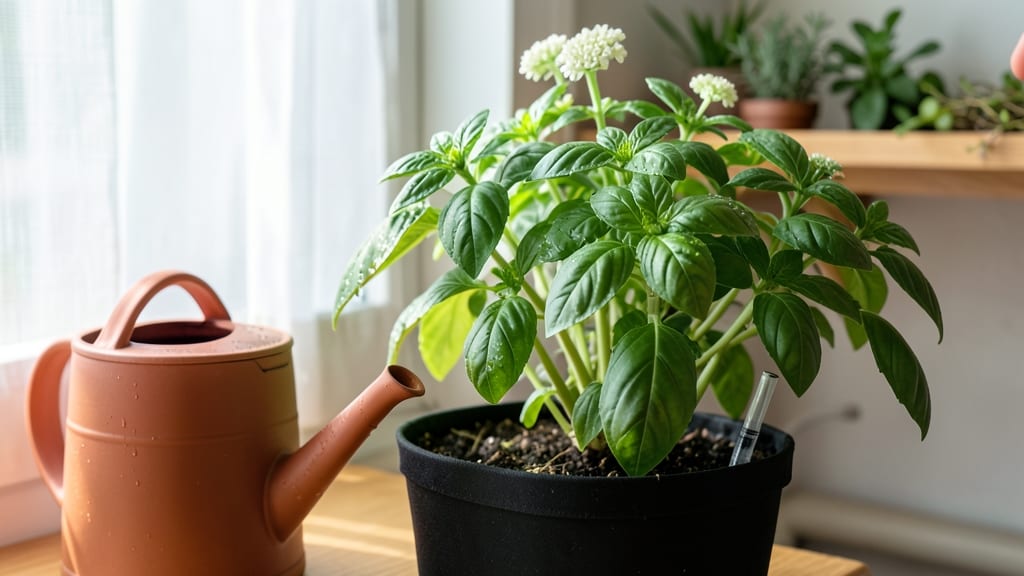
To water basil properly, check soil moisture daily—this herb demands consistency, but too much water drowns its roots faster than you’d think.
Picture this: your 🌿 basil leaves curling at the edges, then wilting completely by afternoon. That’s the classic sign of thirst, but it could also mean you’re drowning the roots. The key? A simple soil-dry test that saves plants every season.
Most gardeners overcomplicate watering, but basil thrives on one rule: keep the top 1 inch of soil lightly moist. Whether you’re growing it in pots or garden beds, this method works in USDA Zone 6a and beyond.
Below, I’ll break down the exact steps—when to water, how much, and how to adjust for summer heat or indoor growing. No guesswork, just lush, productive basil all season.
The soil-dry test method for watering basil: step-by-step guide
Getting your basil watering schedule right is the secret to vibrant leaves and bountiful harvests. Unlike guesswork, the soil-dry test gives you precise cues about when to water—saving you from both overwatering and underwatering.
This method works for container-grown basil and in-ground plants alike, adapting to your specific growing setup.
Why rely on a schedule when your basil’s needs change daily? The soil-dry test accounts for temperature shifts, pot size, and soil type—all factors that affect moisture levels.
Mastering this technique ensures your plants stay hydrated without drowning their roots, keeping your garden thriving all season long.
Here’s how to perform the test correctly: it’s faster than you think and requires just your fingers and a few seconds of attention.
Step-by-Step Soil-Dry Test for Basil
- Step 1: Wait until morning—soil is driest after a full day without water.
- Step 2: Stick your index finger 1-2 inches deep into the soil (deeper for larger pots or heavy clay soil).
- Step 3: Check moisture: if soil feels dry and crumbly, it’s time to water. If damp, wait another day.
- Step 4: For potted basil, water until it drains from the bottom. For in-ground plants, water deeply until soil is moist 3-4 inches down.
- Step 5: Repeat daily in hot weather or every 2-3 days in cooler conditions.
Pay attention to visual cues alongside the finger test. Healthy basil leaves should be bright green and slightly plump, while yellowing or wilting signals it’s time to adjust your watering routine. In containers, soil dries out faster than in garden beds, so check more frequently.
For outdoor basil, morning watering is ideal—it reduces evaporation and fungal risks. If your plants are in shade, they’ll need less water than those basking in full sun. Always water at the base of the plant to avoid wetting leaves, which can promote disease.
New gardeners often make the mistake of watering on a strict schedule instead of checking soil moisture. This can lead to root rot in heavy soils or dry, crispy leaves in sandy conditions. The soil-dry test eliminates guesswork and keeps your basil thriving, no matter the weather.
Pro tip: Keep a garden journal to track your basil’s watering needs. Note how often you water, the soil type, and any changes in weather patterns. Over time, you’ll develop an intuition for when your plants need hydration—even without the finger test!
Remember, basil loves consistent moisture but hates soggy roots. The soil-dry test is your best friend for striking that perfect balance. With this method, you’ll enjoy fresh, aromatic leaves all season long—no more wilting or waterlogged plants!
Basil watering schedule by season: adjusting frequency for heat, rain, and indoor growing
Your basil watering needs change dramatically with the seasons—what works in summer heat can drown roots in winter chill. Container-grown basil dries out faster than in-ground plants, while rainy seasons require extra vigilance to avoid soggy soil.
Let's break down the perfect watering schedule for each scenario so your plants stay vibrant and productive.
First, understand that container basil needs water every 1-2 days in summer, while in-ground plants can handle every 2-3 days.
The key is always checking soil moisture—stick your finger 1 inch deep; if dry, it's time to water. Morning watering is best to prevent fungal issues from evening moisture.
🌱 SUMMARY TABLE: Basil Watering by Season & Environment
| Season | Container Basil | In-Ground Basil | Key Notes |
|---|---|---|---|
| Spring | Daily (1 cup) | Every 2 days (1-2 inches) | Soil warms up; increase frequency as temps rise |
| Summer | Every 1-2 days (1-2 cups) | Every 2-3 days (1.5-2 inches) | Mulch to retain moisture; water deeply in heat |
| Fall | Every 2-3 days (1 cup) | Every 3-4 days (1 inch) | Reduce as temps drop; monitor for rain |
| Winter (Indoor) | Weekly (½ cup) | N/A (dormant) | Use humidity tray; avoid cold drafts |
| Rainy Season | Every 3-4 days | Every 4-5 days | Check soil; pots need more frequent checks |
During summer heat, I water my container basil twice daily—once in the morning and again in the late afternoon—especially if temperatures exceed 90°F. For in-ground plants, focus on deep watering every 2-3 days to encourage strong root growth. Mulching with straw helps retain moisture and keeps roots cool.
When rainy seasons arrive, reduce watering by half and monitor soil closely. Pots dry out faster than garden beds, so check them daily even if it rained. If your basil leaves look droopy after rain, it's likely overwatered—let the soil dry slightly between showers.
For indoor basil in winter, I switch to a weekly watering schedule and place the pot on a humidity tray filled with pebbles and water. Avoid letting the plant sit in standing water, which can cause root rot. Keep it near a south-facing window for maximum light.
Pro tip: Adjust your schedule based on pot size—small containers need water more often than large ones. And always water at the base of the plant to avoid wetting leaves, which can lead to disease.
With these seasonal adjustments, your basil will stay lush and flavorful all year round! 🌿