
Plants
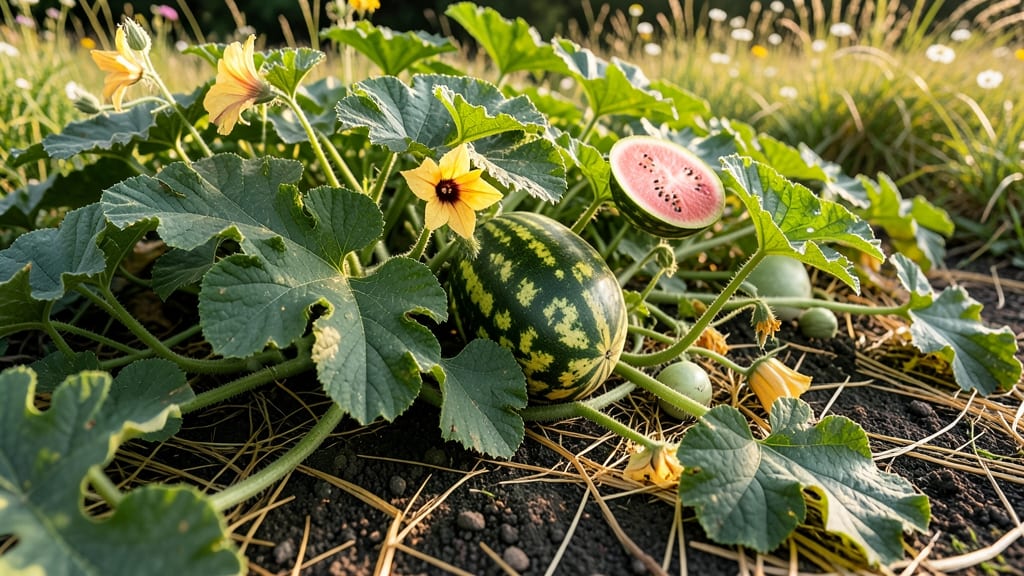
Watermelon plants grow between 1 and 10 feet tall, but what really surprises gardeners is how far their vines stretch—sometimes 20 feet or more.
If you’ve ever dreamed of growing your own juicy watermelons but worried about space, you’re not alone—watermelon vines can sprawl surprisingly far, often reaching lengths that surprise even experienced gardeners.
Most varieties focus their energy on long, trailing vines rather than height, which is why trellising or container gardening becomes a game-changer for small spaces. The key? Choosing the right variety—dwarf types stay compact, while standard vines need room to roam.
Below, I’ll break down the height differences between bush and vining watermelons, how to manage their growth, and the best space-saving tricks to maximize your harvest—even in a tiny backyard.

Watermelon plant growth height: vining habits & variety differences
When planning your watermelon garden, the first question I hear most often is: how tall do watermelon plants grow? The surprising answer is that height isn't the real concern—vine length is.
While the actual plant height typically stays between 1 to 3 feet, those sprawling vines can stretch an astonishing 12 to 24 feet or more. This dramatic contrast often catches gardeners off guard, especially those with limited space.
The confusion stems from how we measure watermelon growth. Most people focus on the plant height, but the vine length determines your space needs and yield potential. A single vine can produce multiple fruits, so managing that sprawl is key to maximizing your harvest without sacrificing garden real estate.
Understanding these differences helps you choose the right varieties and plan your garden layout effectively.
Here's the breakdown you need to know about watermelon growth patterns, including how trailing vs. bush varieties behave differently and why vine length matters more than height for successful cultivation.
| Variety Type | Plant Height | Vine Length | Space Needs | Best For |
|---|---|---|---|---|
| Standard Vining | 1–3 ft | 12–24 ft | Large gardens, trellises | High yield, traditional varieties |
| Semi-Vining | 2–4 ft | 6–12 ft | Medium spaces, containers | Balanced yield, smaller areas |
| Bush/Dwarf | 1–2 ft | 3–6 ft | Containers, small gardens | Space-saving, early harvests |
Standard vining watermelons like 'Sugar Baby' or 'Crimson Sweet' are the classic sprawlers, with vines that can reach 20 feet or more in ideal conditions. These varieties thrive when given room to roam, but they require careful planning to prevent them from overtaking your garden.
The plant height remains modest—typically just 1 to 3 feet—but the horizontal spread is what demands attention.
Semi-vining varieties strike a middle ground, offering a compromise for gardeners with limited space. Types like 'Sweet Granite' or 'Black Diamond' grow vines that reach 6 to 12 feet while maintaining a slightly taller plant structure of 2 to 4 feet.
These are excellent choices for gardeners who want a balance between yield and space efficiency, often performing well in raised beds or along fences.
For those with truly limited space, bush or dwarf varieties are a game-changer. Varieties such as 'Tiny Tim' or 'Baby Bush' keep their vines compact at just 3 to 6 feet and maintain a plant height of 1 to 2 feet.
These are perfect for containers, small patios, or even balconies, making them ideal for urban gardeners or those with backyard constraints. While their yield may be smaller, they produce high-quality fruit in a fraction of the space.
The reason vine length matters more than height becomes clear when you consider how watermelons produce fruit. Each vine can develop multiple fruit nodes, and the more room the vine has to spread, the more potential fruits it can support.
A 20-foot vine might produce 5 to 10 melons, while a 6-foot dwarf vine could yield just 1 to 2 melons. This is why space planning is critical—it directly impacts your harvest.
Another factor to consider is how watermelon vines interact with their environment. They thrive in warm climates with full sun exposure (6–10 hours daily), but their sprawling nature makes them vulnerable to shade competition from taller plants.
If you're growing watermelons in a mixed garden, give them priority access to sunlight by planting taller crops like corn or sunflowers on the north side to avoid blocking their light.
When planning your garden layout, think beyond just the plant height and focus on creating a dedicated space for the vines to spread. This could mean allocating a 10-foot-long row for a standard variety or using vertical trellises to guide the vines upward.
For bush varieties, a 3-foot square container or raised bed is often sufficient. The key is to match the variety to your available space while ensuring the vines have room to develop their full potential.
If you're new to growing watermelons, start with a bush variety to get a feel for their care requirements before tackling a sprawling vine. Once you understand their needs, you can experiment with trellising or container gardening to maximize your space.
Remember, the healthier the vine, the better your watermelon yield will be, so prioritize sunlight, soil quality, and consistent watering to encourage robust growth.
🌱
Space-saving tips for growing watermelons in small gardens
Watermelons may seem like a space-hogging plant, but with the right techniques, you can grow them in even the smallest gardens. The key is understanding their growth habits—while vines can stretch 12-24 feet, the plant itself stays compact at just 1-3 feet tall.
This makes them perfect for vertical gardening or containers!
For urban gardeners or those with limited space, I’ve found that trellising and container gardening transform watermelon growing from a challenge into a rewarding experience. Even in a 5-gallon bucket, you can produce small but sweet fruits with the right variety and care.
I’ve successfully grown watermelons in balcony gardens using hanging baskets with built-in trellises. The secret is to water consistently and provide support early—vines are fragile when young and need gentle guidance upward.
For best results, place your trellis or container in a sunny spot with at least 6-8 hours of sunlight. Watermelons thrive in warm soil (70°F+), so wait until after the last frost to plant. Mulch around the base to retain moisture and suppress weeds.
With these space-saving tricks, you’ll enjoy homegrown watermelons without sacrificing your garden’s layout. Start small, experiment with varieties, and soon you’ll be harvesting sweet, vine-ripened fruit—even in tight spaces! 🌱🍉