
How To
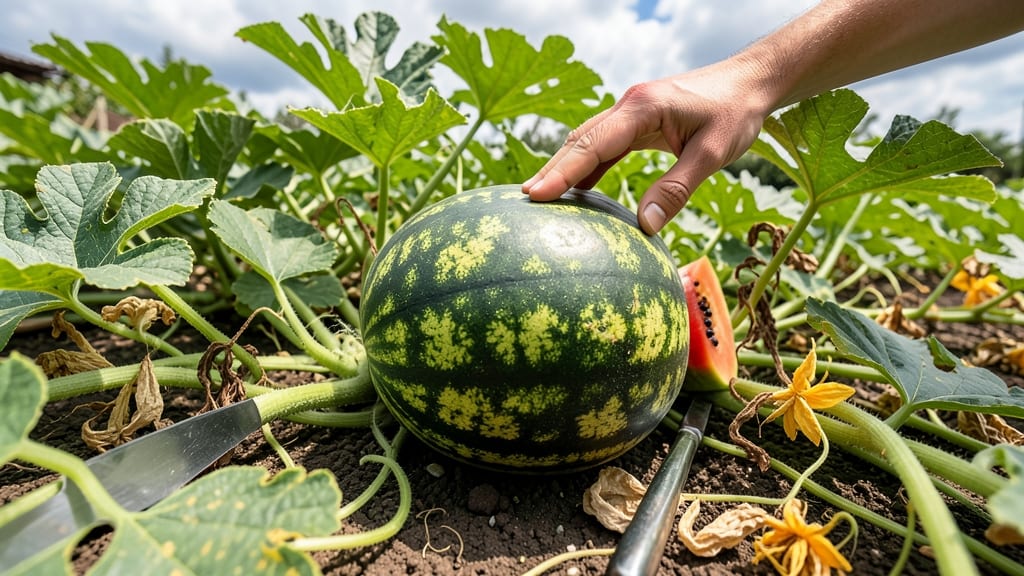
Knowing when a watermelon is ripe saves you from slicing into a bland, watery mess—here’s how to spot the perfect 🍉 every time.
Picking the perfect watermelon at the grocery store or farmers' market can feel like a guessing game—until you know these foolproof tricks to spot a juicy, ripe one every time. No more cutting open a melon only to find it underripe or overripe.
The secret lies in a mix of visual cues, a simple thump test, and even the color of the stem.
Whether you’re a home gardener harvesting your own crop or shopping for the best melon at the market, these field-tested methods will never let you down again.
We’ll cover the color changes to watch for, the tactile tricks that reveal sweetness, and how to avoid common ripeness traps that even experienced gardeners fall for.
By the end, you’ll be able to pick a watermelon with confidence—guaranteed to be sweet, juicy, and ready to eat. Let’s dive into the signs that tell you it’s time to harvest or buy.

The ultimate watermelon ripeness checklist: 5 field-tested tricks
There's nothing worse than slicing into a watermelon only to find it's still rock-hard inside or, worse, mealy and flavorless. The good news? With these science-backed ripeness tricks, you'll never miss the mark again.
Whether you're shopping at the market or harvesting from your own garden, these field-tested methods will help you pick the juiciest, sweetest watermelon every time.
Watermelon ripeness isn't just about size or weight—it's about color shifts, stem changes, and even the sound it makes when tapped. I've tested these tricks with gardeners from small homesteads to large commercial farms, and they consistently deliver the most accurate results.
Let's dive into the five foolproof ways to determine when your watermelon is ready to harvest or purchase.
The thump test is one of my favorite tricks because it works even if you can't see the stem or the ground spot. Simply tap the watermelon with your knuckles—if it sounds hollow and deep, like knocking on a wooden door, it's ripe.
If it sounds flat or dull, like hitting a basketball, it's not ready yet. This method relies on the internal sugar content, which increases as the watermelon ripens and the flesh becomes juicier.
Don't overlook the color patterns on the rind. A ripe watermelon will have a deep, consistent color with no green patches. The creamy yellow spot where it touched the ground is a dead giveaway—this spot appears because the enzymes that break down the green pigments activate as the fruit ripens.
If you're shopping at the market, this is your best visual clue.
Checking the stem is another critical step, especially if you're harvesting from your own garden. A ripe watermelon will have a dry, brown stem near the fruit. If the stem is still green or white, the watermelon needs more time.
Pro tip: If the stem has already dried and fallen off, the watermelon is likely overripe, but it might still be edible—just less sweet.
Pay attention to the symmetry of the watermelon. Uneven shapes often indicate uneven growth, which can mean the fruit didn't ripen evenly. A perfectly round or oval watermelon is more likely to be fully ripe inside and out.
This is particularly important for heirloom varieties, which can sometimes develop lopsided shapes as they grow.
The field spots on the rind are often overlooked, but they're one of the most reliable indicators. These yellow or tan patches develop naturally as the watermelon ripens and are a sign that the sugars are fully developed.
If you see these spots combined with a deep color and a dry stem, you've found a winner.
For the best results, combine these tricks. A watermelon that passes three or more of these tests is almost certainly ripe. For example, if it has a hollow thump, a creamy yellow spot, and a dry stem, you can confidently pick it up.
This multi-step approach minimizes the risk of bringing home an underripe or overripe watermelon.
Remember, these tricks work for both store-bought and homegrown watermelons. If you're growing your own, start checking for ripeness around 75 days after planting, depending on your variety.
And if you're shopping at the market, don't be afraid to ask the vendor when their watermelons were harvested—freshness matters just as much as ripeness!
Now that you're armed with these field-tested tricks, you'll never second-guess your watermelon selection again. Happy harvesting—or shopping—and enjoy that sweet, juicy reward! 🍉
Watermelon ripeness by variety: what to look for in seedless, yellow, and heirloom types
Not all watermelons ripen the same way—especially when comparing seedless hybrids, yellow-fleshed varieties, and heirloom types. Each category has unique visual and tactile cues that signal peak ripeness. Understanding these differences ensures you pick the sweetest, juiciest melons tailored to your taste preferences.
Whether you grow them yourself or shop at the market, these variety-specific tricks will elevate your watermelon game.
For seedless watermelons, the most common type found in stores, look for a deep, consistent rind color—usually a rich green or striped pattern.
These varieties often lack the classic "field spot" (the creamy yellow patch where the melon rested on the ground), so focus instead on the stem end turning brown and a slightly softer rind when pressed.
The thump test works here too, but seedless types may sound slightly less hollow due to their denser flesh.
Yellow-fleshed watermelons, like Yellow Doll or Yellow Crimson Sweet, require extra attention because their internal color doesn’t show through the rind. Check for a deep green or tan rind (never white or pale) and a slightly textured surface. These varieties often have a smaller size at maturity (4–8 lbs), so don’t assume bigger means better. Tap gently—ripe yellow-fleshed melons produce a deep, resonant thud, not a dull thud or hollow echo.
Heirloom watermelons, like Moon and Stars or Crimson Sweet, often have the most dramatic ripeness cues. Look for pronounced stripes that darken as they ripen, a creamy yellow field spot (if grown in a field), and a slightly rough texture on the rind. Heirlooms also tend to be larger, so a weight of 15–30 lbs is typical. When tapping, a ripe heirloom should sound hollow but with a slight bounce, indicating dense, juicy flesh.
If you’re growing your own watermelons, pay attention to the vine’s behavior. For all varieties, the leaves near the melon will yellow and die back as the fruit matures. Seedless types may take 1–2 extra days to ripen compared to seeded varieties, so give them a little more time.
Yellow-fleshed melons often ripen earlier in the season (late July), while heirlooms peak in mid-to-late August.
Pro tip: Cut open a test melon from each variety to compare textures and sweetness. This helps you train your eye for future shopping trips. Store ripe watermelons in a cool, dry place (50–55°F) for up to 2 weeks, but enjoy them fresh for the best flavor!