
Pests and Diseases
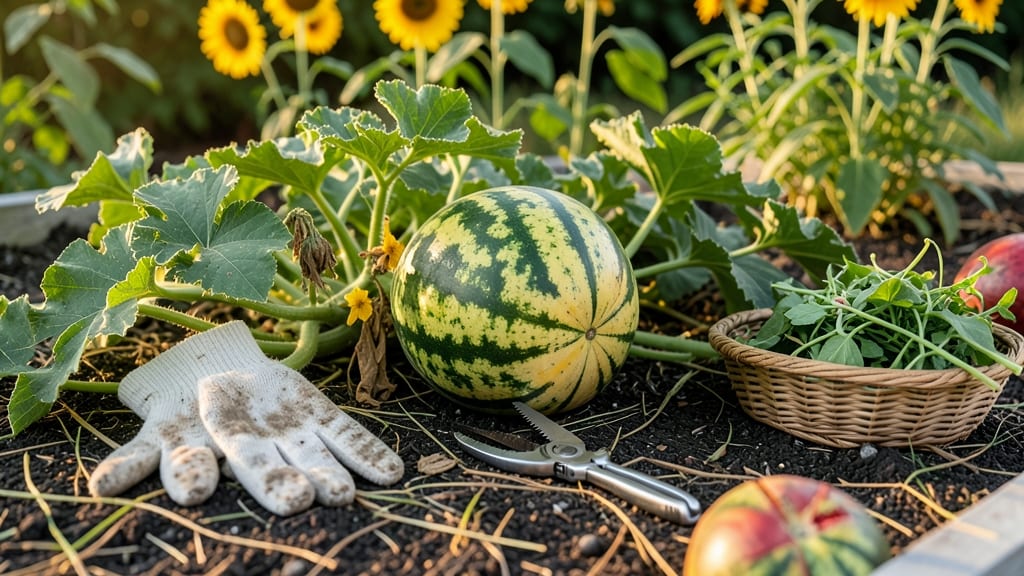
A ripe watermelon is the sweetest reward after months of waiting — but guessing wrong means a watery, flavorless mess.
Picking a perfectly ripe watermelon can feel like a guessing game—until you know the secret signs. Avoid the disappointment of a watery, underripe fruit by mastering these foolproof tricks for identifying the sweetest, juiciest 🍉 every time.
Most gardeners rely on size or weight, but those tricks fail more often than they work. Instead, focus on three key clues: the field spot’s color, the rind’s texture, and the sound it makes when tapped.
These methods, backed by science, cut through the confusion and deliver a melon that’s bursting with flavor.
Below, I’ll break down how to use the thumb test, check for the right color shifts, and listen for the telltale hollow thump that means it’s time to harvest. No more second-guessing—just a foolproof way to pick the perfect watermelon.

How to test if a watermelon is ripe using the thumb, color, and sound
Nothing beats the thrill of biting into a perfectly ripe watermelon—juicy, sweet, and bursting with flavor. But how do you know when it's truly ready? Many gardeners and shoppers rely on outdated tricks like size or weight, which often lead to disappointment.
Instead, focus on three foolproof methods: the thumb test, rind color, and the sound test. These techniques reveal the watermelon's maturity without cutting it open.
First, let’s debunk a common myth: a dried vine doesn’t guarantee ripeness. Watermelons ripen internally, and the vine drying is just one of many signals. To avoid underripe or overripe fruit, combine these methods for accuracy.
Start with the field spot, a natural indicator that tells you exactly where to check next.
The field spot is the cream-colored patch on the watermelon’s underside where it rested on the ground. A ripe watermelon’s field spot should be creamy yellow or light tan, not white or dull.
This color change signals sugar development inside. Pair this with the rind’s glossiness: a ripe watermelon’s skin will feel slightly waxy and deep green, not matte or pale.
Here’s how these methods compare in real-world scenarios:
| Method | What to Look For | Why It Works | Best For |
|---|---|---|---|
| Thumb Test | Press your thumb near the field spot. If it leaves a slight dent that slowly bounces back, it’s ripe. | Measures flesh firmness without bruising. | All varieties, especially seedless. |
| Rind Color | Deep, glossy green with a creamy field spot. Avoid pale or streaky rinds. | Indicates sugar development and maturity. | Heirloom and standard varieties. |
| Sound Test | Knock the watermelon. A ripe one sounds hollow; an unripe one thuds. | Vibrations reveal internal moisture levels. | Large, round watermelons. |
| Blossom End | Yellow or brownish spot where the stem was attached. | Signals ethylene gas release, a ripening trigger. | All varieties, especially yellow-fleshed. |
The thumb test is my favorite because it’s quick and reliable. Press your thumb firmly near the field spot—if the watermelon’s skin springs back slowly (not instantly), it’s ripe. An overripe melon will dent permanently, while an underripe one will snap back immediately.
This test works because ripe watermelons have higher internal moisture and sugar content, making their flesh slightly softer.
Next, listen for the sound of ripeness. Tap the watermelon with your knuckles near the field spot. A ripe watermelon will produce a deep, hollow sound, almost like a drum. If it sounds dull or thuds, it’s underripe.
This method works because ripe fruit has less watery flesh, allowing sound waves to travel more freely. Pro tip: Compare two melons side by side to hear the difference clearly.
Don’t overlook the blossom end, the spot where the stem was attached. A ripe watermelon’s blossom end will turn from white or green to yellow or brown. This color change happens because the fruit releases ethylene gas, a natural ripening hormone.
If the blossom end is still white, the watermelon needs more time on the vine. Pair this with the field spot’s creaminess for a double-check.
For yellow-fleshed or seedless varieties, prioritize the thumb and sound tests over color cues, as their rinds may not darken as deeply. Seedless watermelons, for example, often have lighter rinds but still develop the same internal sweetness when ripe.
Always combine at least two methods—like the thumb test and blossom end—for the most accurate results.
If you’re harvesting from your own garden, time your checks to late morning when temperatures are mild. Heat can make watermelons feel firmer than they are, leading to false readings. Store ripe watermelons in a cool, dry place (50–55°F) to preserve sweetness for up to two weeks.
Now you’re equipped to pick the perfect watermelon every time—no more sad, watery surprises! Grab a melon, give it the thumb test, and listen for that hollow sound. Your taste buds will thank you.
Watermelon ripeness by variety: what to look for in seedless, yellow, and heirloom types
Not all watermelons ripen the same way—especially when comparing seedless varieties to yellow-fleshed or heirloom types. What makes a Crimson Sweet ripe might not apply to a Sugar Baby or Yellow Doll. Understanding these differences saves you from bitter, watery surprises and ensures you harvest melons at peak sweetness.
Seedless watermelons often lack the field spot (the creamy patch where the fruit rested on the ground), making traditional ripeness cues harder to spot. Meanwhile, yellow-fleshed varieties like Yellow Crimson may show ripeness through subtle color shifts in both the rind and flesh.
Heirloom types, such as Moon and Stars, prioritize visual patterns over uniform color, so their ripeness relies more on texture and weight.
Here’s how to distinguish ripeness in each type—plus the common mistakes that trick even experienced gardeners:
For seedless watermelons, prioritize the blossom end turning yellow—this is your best indicator since the field spot may be absent. A dull thump when tapped (not a hollow sound) confirms ripeness, while a firm but slightly yielding rind means it’s ready to eat.
Many gardeners mistakenly think larger melons are sweeter, but size alone doesn’t guarantee ripeness.
Yellow-fleshed varieties often ripen earlier than green types, so check for a creamy blush on the rind and a honey-like scent near the stem. The blossom end should turn a dull golden color, not white or green.
If you’re unsure, slice one open—ripe yellow flesh will be bright and juicy, not pale or fibrous.
Heirloom watermelons like Moon and Stars rely on visual patterns and texture more than color. Look for the striped rind to darken and the field spot to deepen in color. The rind should feel thick and waxy, not tough or spongy.
A deep crease forming at the blossom end is another telltale sign—this variety often resists traditional ripeness cues, so trust your fingers and eyes.
Remember: Never harvest based on vine drying alone. A vine may detach naturally while the melon is still underripe. Always combine color, texture, and weight checks for accuracy. With these variety-specific tricks, you’ll never second-guess your watermelon pick again! 🌱🍉