
How To
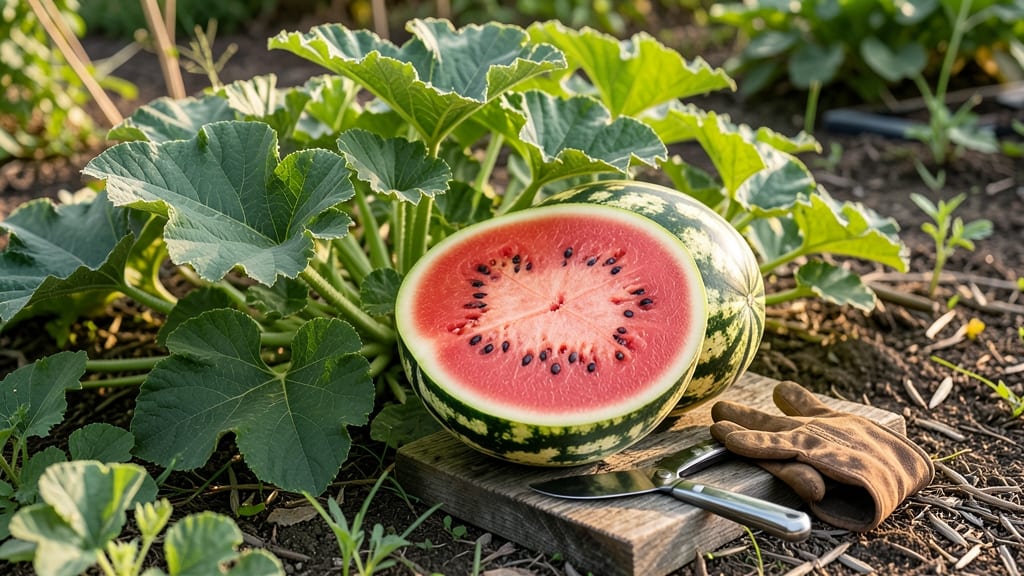
Knowing when your watermelon is ready to pick means checking for three key signals: a deep, even color, a creamy ground spot, and a hollow thump 🍉 — and skipping these clues risks bitter or seedy fruit.
Picture this: you’ve spent weeks tending to your vines, and now the melons are growing fast. But how do you tell if they’re just ripe or already past their prime?
Too early, and you’ll end up with a mealy, flavorless slice. Too late, and you might find your watermelon turning to mush.
In this guide, I’ll walk you through the foolproof tests—from the classic thump to the often-overlooked crease check—that guarantee you’ll harvest at peak sweetness. Whether you’re a first-time gardener or a seasoned grower, these simple steps will save you from the guesswork.
You’ll also learn how to troubleshoot common mistakes, like confusing a hard rind with ripeness or mistaking a dry stem for readiness, so you can enjoy that first juicy bite without any surprises.

The 3 essential watermelon ripeness tests (thump, check & crease)
Nothing beats the excitement of harvesting your own homegrown watermelons, but timing is everything. A watermelon picked too soon tastes bland and seedy, while one left too long on the vine becomes mushy and overripe.
These three foolproof tests will help you nail the perfect harvest every time—no guesswork required.
First, let’s tackle the thump test, the classic method gardeners swear by. This simple technique reveals whether the internal fruit is ripe by listening for a hollow sound when you tap the melon.
But there’s more to it than just knocking—you’ll need to know exactly where and how hard to tap for accurate results.
Next, we’ll explore the rind color check, where the outer appearance of your watermelon tells a surprising amount about its readiness. Different varieties have unique color cues, and ignoring these can lead to disappointing harvests.
For example, a dark green rind with yellow stripes might be ready, while a pale or patchy one isn’t.
The third test focuses on the crease or ground spot, a often-overlooked clue that reveals whether your watermelon is fully mature. This creamy yellow patch on the underside isn’t just for show—it’s a direct indicator of ripeness tied to the melon’s natural growth process.
| Test Method | What to Look For | How to Perform | Ripeness Indicator |
|---|---|---|---|
| Thump Test | Hollow sound when tapped | Knock near the crease with knuckles; listen for deep, echoing tone | ✅ Fully ripe (if combined with other tests) |
| Rind Color Check | Deep, consistent color (varies by variety) | Inspect rind for uniform hue and slight shine; avoid dull or patchy spots | ✅ Ready if color is vibrant and hard |
| Crease/Ground Spot | Creamy yellow patch on underside | Check the spot where melon touched soil; should be soft and yellow | ✅ Confirms full maturity and sweetness |
| Stem Drying | Brown, dry stem near fruit | Gently tug stem; if it snaps easily, melon is ready | ✅ Final confirmation of ripeness |
Let’s start with the thump test, which is all about listening to the melon’s internal structure. Place your watermelon on a flat surface and tap it firmly near the crease with your knuckles.
A ripe melon will produce a deep, hollow sound, almost like knocking on wood. If it sounds dull or flat, it’s not ready yet.
But here’s the catch: the thump test works best when combined with the other two methods. A melon that sounds hollow but has a soft rind might still be underripe. Always cross-reference with the rind color and crease check for accuracy.
The rind color check is your visual cue for ripeness. A fully ripe watermelon’s rind will be hard and shiny, not dull or soft. For striped varieties like Crimson Sweet, the stripes should be bold and consistent.
If the rind feels spongy or the color is uneven, wait a few more days.
Don’t overlook the crease or ground spot, which is often the most reliable indicator. This creamy yellow patch on the underside of the melon signals that it’s fully mature.
If the spot is white or still green, the melon needs more time. This is especially true for homegrown watermelons, which often ripen differently than store-bought varieties.
Pro tip: Combine all three tests for the best results. A watermelon that passes all three—hollow thump, hard rind, and creamy crease—is guaranteed to be sweet and juicy. If one test fails, give it a few more days before harvesting again.
Remember, overripe watermelons can become seedy and mushy, while underripe ones lack sweetness. By mastering these three tests, you’ll avoid both extremes and enjoy a perfect harvest every season.
Now that you’ve got the tools, head to your garden and put these tests to work. Happy harvesting! 🍉
Advanced ripeness indicators: field vs store-bought differences
Homegrown watermelons reveal hidden ripeness clues that store-bought varieties often hide. Unlike grocery melons—selected for shelf life—your garden fruit shows natural vine signals that predict sweetness and texture. Pay attention to these three field-specific indicators that commercial growers ignore.
First, examine the vine condition near the melon. In home gardens, the stem should dry and brown completely, while store-bought melons often detach before full ripeness. This dried stem indicates the plant has stopped feeding the fruit, a key maturity trigger for homegrown varieties.
A creamy yellow ground spot (where the melon rests) is another telltale sign. Store-bought melons rarely show this because they're harvested early. In your garden, this spot appears when the melon's natural sugars peak—a foolproof sweetness indicator that grocery melons lack.
| Indicator | Field-Grown Watermelon | Store-Bought Watermelon |
|---|---|---|
| Vine Stem | Dries completely, turns brown | Often still green when harvested |
| Ground Spot | Creamy yellow when ripe | Usually white or absent |
| Rind Texture | Hard, dull, and thick | Sometimes waxy or thin |
| Sound When Thumped | Deep, hollow "thunk" | Often muted or dull |
Next, compare the rind's natural dullness. Field-ripe watermelons develop a matte, thick rind, while store-bought varieties may stay waxy or thin-walled. This dullness protects the fruit and signals full sugar development—something commercial growers prioritize less for shipping.
Finally, grip the melon to feel its weight relative to size. Homegrown melons should feel heavy for their dimensions, indicating high water content and sweetness. Store-bought melons often feel lighter because they're harvested earlier to survive transport.
Why do these differences matter? Homegrown melons ripen slowly on the vine, allowing flavors to develop fully. Store-bought varieties are bred for uniformity and shelf life, not peak flavor—so their ripeness cues are far less reliable. Trust your garden's natural signals for the sweetest harvest. 🍉