
How To
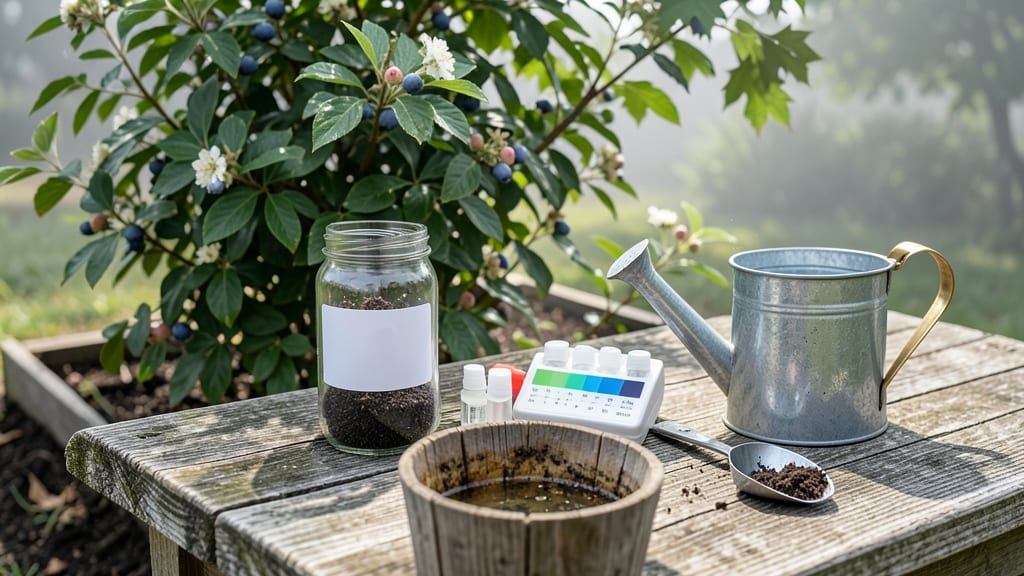
To lower pH in water for plants organically, use natural acids like white vinegar, lemon juice, or pine needles to acidify soil or hydroponic systems without chemicals. Always test pH before and after adjustments to prevent over-acidification.
Organic acids work by releasing hydrogen ions into the soil or water, which directly lowers pH levels.
For example, white vinegar's acetic acid is one of the fastest-acting options, while lemon juice provides a gentler citric acid solution. 🌱 The key is precision—too much acid can harm beneficial microbes and lock out essential nutrients like phosphorus.
I’ve found that a 1 tablespoon of vinegar per gallon of water works well for most acid-loving plants, but always start small and test again after 24 hours.
For hydroponic systems, I recommend using pine needle tea—simmer fresh needles in water for 30 minutes, strain, and use it as a foliar spray or reservoir additive. This method mimics natural forest floor conditions, where fallen pine needles gradually acidify the soil.
The beauty of organic methods is that they support microbial life while adjusting pH, unlike synthetic chemicals that can disrupt your garden's delicate balance.
💡 In This Article
- How Organic Acids Affect Soil and Plant Health
- Step-by-Step Guide: Testing and Adjusting pH Naturally
How organic acids affect soil and plant health
Organic acids like acetic acid (in vinegar) and citric acid (in lemon juice) work by donating hydrogen ions (H+) to the soil solution, which directly lowers the pH. When you add vinegar to water, for example, its acetic acid dissociates into acetate ions and H+ ions.
These H+ ions combine with water molecules to form hydronium ions (H₃O⁺), increasing the solution's acidity. This process is reversible—if the pH rises again, the acetate ions can reabsorb H+ ions to maintain balance. 🌱 Unlike synthetic pH adjusters, organic acids break down over time, reducing long-term soil disruption.
The impact on plant health goes beyond just pH numbers. Lowering pH increases the availability of essential micronutrients like iron, manganese, and zinc, which are often "locked out" in alkaline soils.
For example, blueberries thrive in acidic soil (pH 4.5-5.5) because their roots can absorb iron more efficiently when the soil is acidic. However, too much acidity can damage root cells by overloading them with H+ ions, which is why precision matters.
Organic acids also stimulate beneficial soil microbes, unlike synthetic chemicals that can kill microbial life.
Consider the difference between white vinegar (5% acetic acid) and lemon juice (about 5-6% citric acid). Vinegar acts faster but may require more dilution—start with 1 tablespoon per gallon of water—while lemon juice provides a gentler, more gradual adjustment.
The choice depends on your plant's needs: acid-loving plants like azaleas need consistent low pH, while vegetables like tomatoes prefer slightly acidic soil (pH 6.0-6.8). Always test your soil's pH before adjusting to determine how much acid you actually need.
Another key factor is the buffering capacity of your soil. Sandy soils change pH quickly with small additions, while clay soils resist changes due to their high mineral content.
This is why a 1-point pH drop in sandy soil might require only 1/4 teaspoon of vinegar per gallon, whereas clay soil could need 1-2 tablespoons**. The microbial activity in your soil also plays a role—healthy soil with active mycorrhizal fungi can help stabilize pH naturally over time.
For hydroponic systems, organic acids offer additional benefits beyond pH adjustment. Pine needle tea, for example, contains not just acids but also beneficial tannins that act as natural fungicides.
When you steep pine needles in water, the resulting solution has a pH around 4.5-5.0, which is perfect for plants like blueberries or hydrangeas. The tannins also help prevent nutrient imbalances by chelating metals like iron, making them more bioavailable to plant roots.
This dual-action approach makes organic acids a smarter choice for both soil and hydroponic gardens.
What most gardeners don't realize is that organic acids can also affect soil structure over time. The gradual acidification process helps break down calcium carbonate in alkaline soils, releasing magnesium and other nutrients.
This is why gardeners who use organic methods often see improved soil tilth and better water retention after consistent use. The key is patience—organic pH adjustments take time but build healthier soil ecosystems in the long run. 💫