
Plants
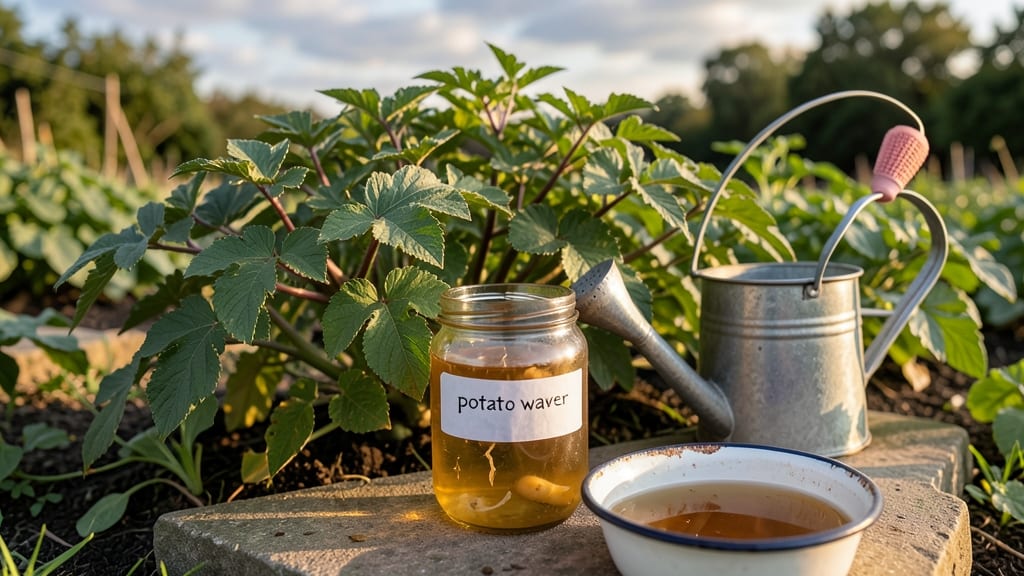
Potato water for plants acts as a natural fertilizer rich in potassium and starches, which can enhance root development and soil quality when used in diluted form. However, overuse may damage plants or attract unwanted pests.
Potatoes contain natural nutrients that give their water a mild fertilizer effect when used properly. 🌱 The potassium content helps strengthen cell walls, while starches feed beneficial soil microbes, creating a healthier growing environment.
I've found this method particularly effective for leafy greens and flowering plants, which thrive with a potassium boost. Just remember to dilute the water—using it straight from the pot can overwhelm plant roots and lead to nutrient burn.
For best results, save the water from boiling potatoes (discard the potatoes themselves) and let it cool completely before applying. Use it as a foliar spray or soil drench every 4-6 weeks during the growing season.
This approach mimics nature's way of recycling nutrients while giving your plants a gentle, organic advantage.
💡 In This Article
- How Potato Water Boosts Plant Health
- Step-by-Step Guide to Using Potato Water Safely
How potato water boosts plant health
The real magic of potato water lies in its chemical composition—specifically, its high potassium content and natural starches. When potatoes cook, they release approximately 500-600 milligrams of potassium per liter of water, a nutrient plants crave for root development and flowering.
This potassium helps regulate water movement within plant cells, strengthening their structure and improving drought resistance. 🌱 The starches, meanwhile, act as a slow-release energy source for soil microbes, creating a more vibrant ecosystem that breaks down organic matter faster.
Potato water also contains trace amounts of phosphorus and nitrogen, though in smaller quantities than potassium. These nutrients work together to enhance soil structure by improving water retention and aeration. The starches, in particular, bind to soil particles, creating a lighter, fluffier texture that roots can penetrate more easily.
This is why gardeners notice healthier root systems when using potato water—it's not just about feeding the plants directly, but also optimizing the environment around them. The pH of potato water typically sits around 5.5-6.5, making it slightly acidic, which is ideal for most flowering plants and vegetables.
What makes this even more fascinating is how potato water stimulates microbial activity. The starches feed beneficial bacteria and fungi in the soil, which in turn produce enzymes that break down complex organic materials into forms plants can absorb.
This creates a positive feedback loop: healthier microbes mean better nutrient cycling, which means stronger plants that can better utilize the potassium and other nutrients in the water. 💫 Think of it as a natural probiotic for your garden soil.
However, the benefits depend heavily on proper preparation. Raw potato water contains solanine, a natural toxin that can harm plants if used undiluted. That's why it's crucial to use water from boiled or roasted potatoes—heat breaks down the solanine while preserving the beneficial nutrients.
The water should also be cooled before application to prevent shocking plant roots with sudden temperature changes.
For comparison, commercial fertilizers often contain synthetic potassium chloride, which provides a quick but short-term boost. Potato water, on the other hand, offers a gentler, more sustained release that mimics natural nutrient cycles. This makes it particularly effective for container gardens or potted plants where soil nutrients deplete faster.
The key difference is in the delivery method: synthetic fertilizers flood the system, while potato water integrates gradually into the soil ecosystem.
One common misconception is that potato water works the same for all plants. In reality, it's most beneficial for potassium-loving plants like tomatoes, peppers, and roses, which show dramatic improvements in fruit production and bloom quality.
For plants that prefer acidic soil (like blueberries or azaleas), the slightly alkaline nature of potato water might require additional pH adjustments. Always test your soil first to determine what your specific plants need.