
How To
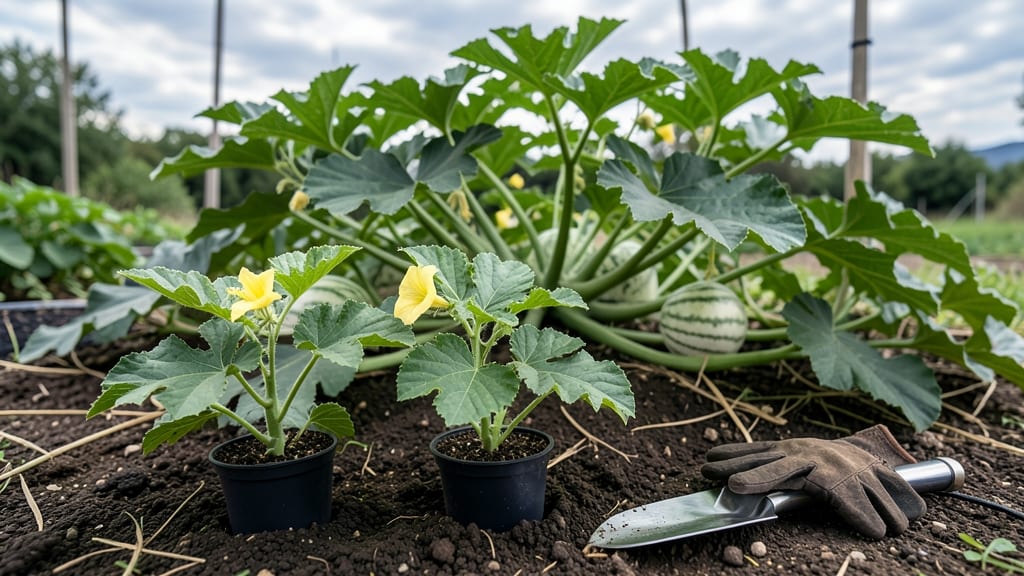
To plant watermelon plants and ensure a bountiful harvest, start by timing your sowing after the last frost—typically late April to mid-May in Zone 6.
Nothing beats the sweet reward of homegrown watermelons—juicy, ripe, and straight from your garden—but getting there starts with proper planting. Follow these expert-approved spacing, soil, and sunlight secrets to ensure your 🍉 vines thrive and produce massive, flavorful fruits.
Watermelons are sun-worshippers, needing at least 6-8 hours of direct sunlight daily to set fruit. Poor soil drainage or crowded roots will stunt growth, so we’ll cover the ideal conditions for strong vines and big harvests.
From seed depth to companion planting, you’ll learn 3 key steps to maximize your yield—whether you’re working with a sprawling backyard plot or a small container garden.

Perfect watermelon planting spacing & layout for maximum growth
Getting your watermelon spacing right is the secret to avoiding crowded vines and tiny fruits. Too close, and your plants will compete for nutrients—leading to stunted growth and poor yields.
Too far apart, and you’ll waste precious garden space. The ideal watermelon plant spacing balances airflow, sunlight exposure, and root development to produce those juicy, 20-pound melons you dream of.
Watermelon vines spread aggressively, so proper layout planning is key. Whether you’re working with a sprawling backyard or a small balcony container, understanding the best spacing between plants and rows will determine your harvest’s success.
For example, standard trailing varieties need 3-6 feet between vines, while compact bush types can thrive in tighter quarters. Let’s break down the science behind spacing to maximize your yield.
🌱
| Planting Method | Spacing Between Plants | Spacing Between Rows | Best For |
|---|---|---|---|
| Standard Trailing Varieties | 4-6 feet | 6-8 feet | Large gardens, maximum yield |
| Semi-Bush Varieties | 3-4 feet | 5-6 feet | Medium spaces, smaller yards |
| Compact/Bush Varieties | 2-3 feet | 4-5 feet | Containers, small gardens |
| Trellised Vines | 2-3 feet (vertically) | 4-5 feet (horizontal) | Vertical gardens, space-saving |
| Hill Planting | 3-4 plants per hill, 5-6 feet apart | 6-8 feet between hills | Traditional mounds, warm climates |
If you’re planting standard trailing watermelons, aim for 4-6 feet between plants and 6-8 feet between rows. This spacing ensures each vine has enough room to spread its 15-20 foot runners without smothering neighbors.
Crowded plants lead to poor air circulation, which increases the risk of fungal diseases like powdery mildew and reduces fruit size. For semi-bush varieties, you can tighten the spacing to 3-4 feet between plants, making them ideal for smaller gardens.
For those with limited space, trellising watermelons is a game-changer. While not all varieties thrive vertically, small-fruited types like 'Sugar Baby' or 'Tiny Tim' can be trained upward, saving up to 70% of ground space.
Use a sturdy trellis or fence, and space plants 2-3 feet apart vertically with 4-5 feet between rows. Just be sure to harvest fruits promptly, as they can become too heavy for vertical support.
🪴
In small gardens or containers, opt for compact bush varieties like 'Black Diamond' or 'Crimson Sweet'. These need only 2-3 feet between plants and 4-5 feet between rows, making them perfect for 5-gallon containers or raised beds.
If growing in containers, ensure each plant has its own pot to prevent root competition. Remember, watermelons need room to spread, so even in containers, aim for at least a 12-inch diameter pot per plant.
Another space-saving technique is hill planting, popular in warm climates. Create mounds of soil about 12 inches tall and 2 feet wide, and plant 3-4 seeds per hill. Space hills 5-6 feet apart to allow for vine spread.
This method improves drainage and warms the soil faster in spring, giving your watermelons a head start. Plus, the elevated beds help prevent soil-borne diseases by keeping foliage off the ground.
🌿
Regardless of your spacing method, always prioritize airflow and sunlight access. Watermelons are heavy feeders and need plenty of nutrients and sunlight to produce large fruits. If you notice your vines struggling, thin out excess plants to give the remaining ones more room to thrive.
And don’t forget to mulch around your plants to retain moisture and suppress weeds, which can compete with your watermelons for resources.
Proper spacing isn’t just about avoiding crowded vines—it’s about creating an environment where your watermelons can focus their energy on growing big, sweet fruits instead of fighting for survival. With the right layout, you’ll be well on your way to harvesting homegrown waterm
Soil & sunlight requirements for healthy watermelon vines
Watermelon vines demand rich, well-draining soil and plenty of sunlight to produce those sweet, juicy fruits you crave. The right conditions ensure strong roots and abundant flowering—critical for a bountiful harvest. Let’s break down the essentials so your vines thrive from seed to fruit.
Start with soil pH between 6.0 and 7.0, slightly acidic to neutral. Watermelons need fertile, loamy soil packed with organic matter like compost or aged manure. Poor drainage or heavy clay soil can stunt growth, so amend your soil with sand or perlite if needed.
A quick soil test kit makes this easy to check before planting.
Watermelons are sun worshippers—they need at least 6 hours of direct sunlight daily, but 8+ hours yields the best results. Plant in the sunniest spot in your garden, like a south-facing bed.
Shade cloth can help in scorching climates, but avoid partial shade, which weakens vines and reduces fruit quality.
Common mistakes include overwatering (which causes rot) or underwatering (leading to poor fruit development). Aim for 1–2 inches of water per week, especially during flowering and fruiting.
Mulch around plants to retain moisture and suppress weeds, which compete for nutrients. Avoid wetting the leaves to prevent fungal diseases like powdery mildew.
If your soil is too acidic (<6.0), add lime to raise the pH. For alkaline soil (>7.0), mix in sulfur or peat moss. A simple fix is to plant watermelons in raised beds filled with a 50/50 mix of garden soil and compost.
This gives you full control over drainage and nutrient levels, perfect for heavy or poor-quality soil.
Pro tip: Test your soil before planting—many garden centers sell affordable kits. If your vines look weak or flowers drop off, it’s often a sign of nutrient deficiency or poor drainage.
Adjust with a balanced 10-10-10 fertilizer during the growing season, but avoid overdoing it—too much nitrogen leads to leafy growth at the expense of fruit.
With the right soil and sunlight, your watermelon vines will flourish, producing heavy, sweet fruits that put store-bought melons to shame. Happy growing! 🌱☀️