
Plants
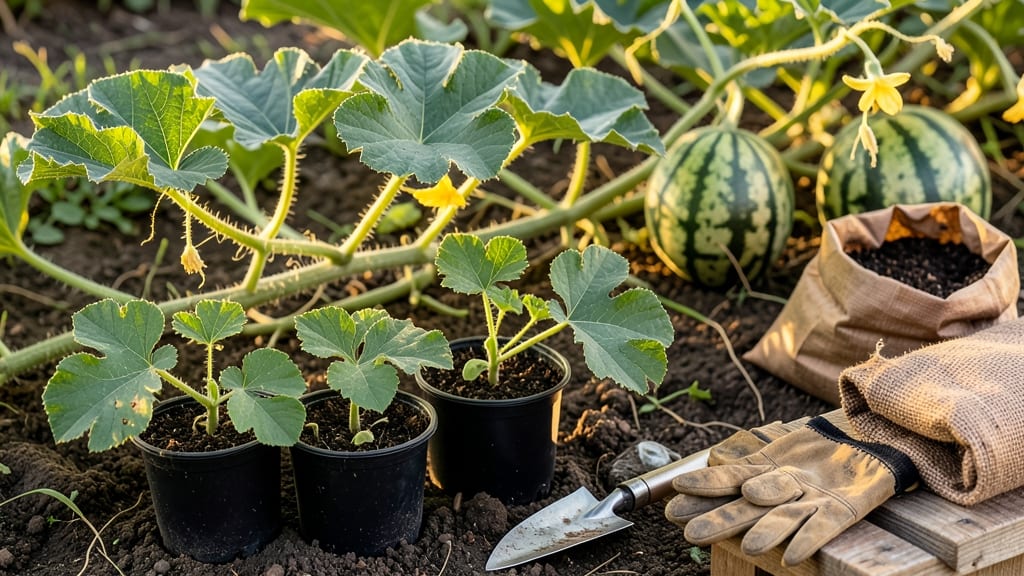
Plant watermelons in Missouri when soil temperatures hit 70°F—typically between mid-April and early May, depending on your zone.
Missouri’s warm summers are perfect for juicy, homegrown watermelons—but timing your planting wrong can mean bitter disappointment instead of sweet success. Get the exact frost-free dates and zone-specific advice to maximize your harvest this season.
If you’ve ever waited too long and watched your vines struggle through a short growing season, you know how critical the right window is.
These melons 🌱 need at least 75 days of warm weather to ripen, so planting too early risks frost damage, while waiting too late cuts your harvest short.
Below, I’ll break down the best planting dates by Missouri’s USDA zones, soil prep tips to speed up warming, and how to stretch your season with row covers or shade cloth.
By the end, you’ll know exactly when to set those seeds for the best yields—and avoid the common mistakes that waste your effort.
Missouri watermelon planting dates by hardiness zone: exact frost-free timing for success
Missouri’s USDA hardiness zones 5a-7a create unique challenges for watermelon growers. The key to success lies in understanding your last frost dates and soil temperature requirements.
Unlike cool-season crops, watermelons demand warm soil—at least 70°F (21°C)—to germinate properly. Planting too early in cold soil means wasted seeds and stunted growth.
Most Missouri gardeners face a 90-120 day growing season for watermelons, making timing critical. In northern zones (5a-6a), you’ll need to use row covers or cold frames to extend the season, while southern zones (7a) can push planting later.
Let’s break down the exact windows for each zone so you can plan your direct sowing or transplanting strategy with confidence.
🌱
| USDA Zone | Last Frost Date | Ideal Planting Window | Soil Temp Requirement | Notes |
|---|---|---|---|---|
| 5a (Northwest MO) | April 15-May 1 | May 15-June 1 (direct sow) / April 15 (transplants) | 70-75°F (21-24°C) | Use black plastic mulch to warm soil faster |
| 6a (Central MO) | April 1-May 15 | May 1-June 10 (direct sow) / April 1-May 1 (transplants) | 70-75°F (21-24°C) | Start transplants indoors 3-4 weeks before last frost |
| 6b (Southwest MO) | March 20-April 15 | April 15-May 31 (direct sow) / March 20-April 15 (transplants) | 65-70°F (18-21°C) | Can plant earlier with row covers |
| 7a (Southeast MO) | March 1-April 1 | April 1-May 15 (direct sow) / March 1-April 1 (transplants) | 60-65°F (15-18°C) | Longest growing season—can plant successive crops |
For direct sowing, wait until the soil temperature consistently reaches 70°F (21°C) at a depth of 4 inches. Use a soil thermometer to check—this is more important than air temperature.
In my Zone 6a garden, I’ve learned the hard way that planting before the soil warms enough leads to poor germination and weak seedlings.
If you prefer transplanting, start seeds indoors 3-4 weeks before your last frost date. Use biodegradable pots to avoid transplant shock when moving to the garden.
Harden off seedlings by placing them outdoors for 2-3 hours daily the week before transplanting. This gradual adjustment helps them adapt to Missouri’s variable spring weather.
🌿
Missouri’s unpredictable spring weather can throw off even the best-laid plans. If you experience an early frost warning after planting, cover young plants with frost cloth or a row cover. For late springs, consider using black plastic mulch 2-3 weeks before planting to raise soil temperatures by 10-15°F.
I’ve seen this method shave 10 days off the time needed to reach ideal planting conditions.
Pro tip: In Zone 5a, I recommend planting fast-maturing varieties like Sugar Baby (60 days) or Black Diamond (70 days) to ensure a harvest before fall frosts. These varieties give you a 2-3 week head start compared to larger types like Crimson Sweet (85 days).
Always check the seed packet for days to maturity and plan backward from your average first frost date.
How to extend Missouri’s watermelon growing season: tips for early planting and late harvests
Missouri’s short growing season can make watermelon cultivation challenging, but with the right strategies, you can push your harvest window significantly. The key lies in soil warming, frost protection, and smart companion planting.
These techniques help you start earlier and keep your melons thriving until late summer when temperatures begin to drop.
One of the biggest hurdles is cold soil, which delays germination. Watermelons need soil temperatures of at least 70°F to sprout properly. Without intervention, you might miss the optimal planting window.
By preparing your beds early and using soil warmers, you can create ideal conditions for faster growth and earlier harvests.
Here’s my step-by-step guide to extending your watermelon season in Missouri, from soil prep to frost protection:
Test your soil pH (aim for 6.0-6.8). Amend with compost and a balanced fertilizer (5-10-10). Choose a south-facing location for maximum warmth.
Use black plastic mulch or clear plastic cloches to raise soil temperatures. Lay mulch 2-3 weeks before planting to create a microclimate that’s 5-10°F warmer.
Choose fast-maturing varieties like ‘Sugar Baby’ (70 days) or ‘Crimson Sweet’ (80 days). Start seeds indoors 3-4 weeks before your last frost date, then transplant when soil reaches 70°F.
Use floating row covers or mini hoop tunnels to shield young plants. Remove covers during the day to avoid overheating, but keep them on for late-night protection.
Plant bush beans or corn nearby to improve soil fertility and deter pests. Avoid planting near potatoes, as they compete for nutrients.
Use drip irrigation to keep soil moist and apply a mulch layer to retain heat. Harvest melons when they’re deeply colored and the stem slips easily from the vine.
Another trick I’ve used successfully is succession planting. Instead of planting all your seeds at once, stagger them every 2 weeks to ensure a continuous harvest. This works especially well if you’re using row covers to protect the later plantings.
Don’t forget to monitor your local microclimate. Areas near buildings or fences can be warmer and more sheltered, giving you an extra 1-2 weeks of growing time. Keep a garden journal to track soil temperatures and adjust your planting schedule accordingly each year.
With these strategies, you can enjoy homegrown watermelons from early summer well into fall—even in Missouri’s unpredictable climate. The secret is combining early prep, protective measures, and smart variety selection to beat the odds. 🌱