How To
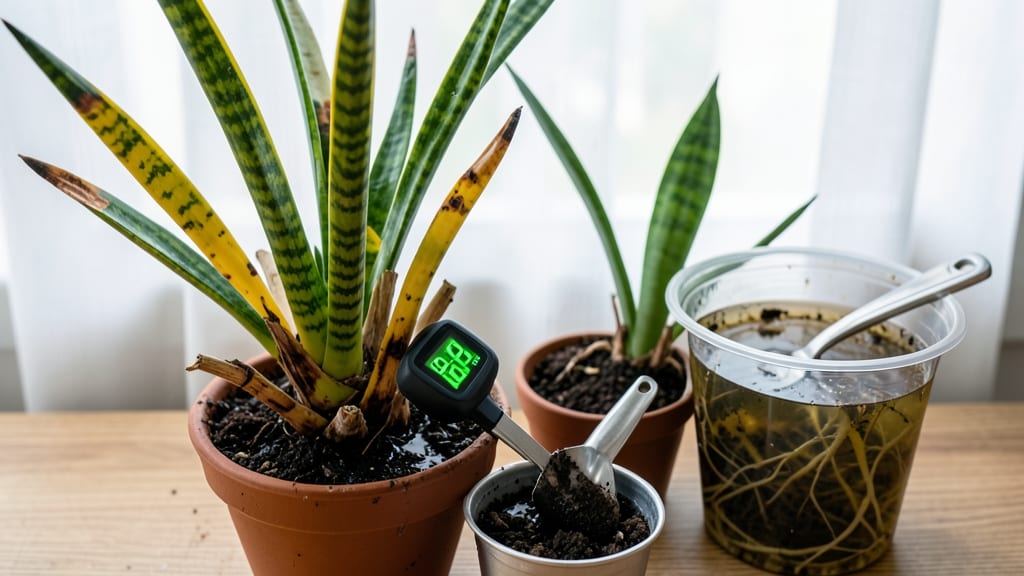
To tell if a plant is overwatered, look for yellowing leaves, damp soil that stays soggy, wilting despite moisture, a foul root rot smell, and visible mold or fungus growth. These signs indicate roots are suffocating from excess water.
Overwatering is the silent killer of houseplants—it's easy to assume more water equals happier plants, but the truth is roots need air as much as moisture. 🌱 The first warning sign is often yellowing leaves that feel mushy to the touch, a clear signal the plant can't process nutrients properly.
I've seen even hardy succulents collapse when kept in constantly wet soil, proving no plant is immune. The key is checking soil moisture before watering: stick your finger an inch deep—if it's damp, wait another day.
What's surprising is how quickly overwatering creates the perfect breeding ground for fungal infections. That musty smell coming from your potted plant? That's root rot in action, where beneficial microbes get crowded out by too much water.
The solution isn't just cutting back on water—it's about improving drainage and choosing soil that breathes better. I always recommend mixing in perlite or coconut coir to prevent this common mistake.
💡 In This Article
- 5 Visual and Physical Signs of Overwatered Plants
- How to Fix and Prevent Overwatering Damage
5 Visual and physical signs of overwatered plants
When roots sit in waterlogged soil, they can't absorb oxygen—a condition called hypoxia. This triggers a chain reaction where the plant's cells start breaking down, first visible as yellowing leaves that often begin at the lower stems.
The yellowing happens because chlorophyll production slows down when roots can't supply nutrients efficiently. 🌿 What's telling is that these leaves may also feel soft or mushy when touched, unlike the crisp texture of properly hydrated foliage.
In extreme cases, the entire leaf may turn brown and crispy as the plant essentially drowns.
The soil itself becomes a dead giveaway. Overwatered soil stays clump together when squeezed—it won't easily crumble like well-draining soil should. Stick your finger 1-2 inches deep: if it feels damp or cool to the touch, that's a red flag.
The moisture level should feel similar to a wrung-out sponge, not a dripping wet rag. Even worse, the top layer may appear dry while the bottom stays soggy—a classic sign of poor drainage where water pools at the roots.
This creates anaerobic conditions that prevent beneficial microbes from breaking down organic matter.
Root rot is the most dangerous consequence, identifiable by a foul, sour smell similar to rotting fruit or wet newspaper. This odor comes from anaerobic bacteria thriving in waterlogged conditions, producing volatile organic compounds. 🌱 Visually, affected roots turn black or brown and feel slimy rather than firm.
The plant may also develop brown spots on stems where fungal infections take hold. What's surprising is how quickly this happens—some plants show root rot symptoms within just 3-5 days of consistent overwatering, especially in containers without drainage holes.
Another subtle clue is stunted growth despite ample water. When roots can't function properly, the plant diverts energy away from new growth to survival mode, resulting in weak stems and small leaves.
You might also notice leaves that droop even when the soil feels moist—a clear contrast to underwatered plants that wilt from lack of water. The key difference is that overwatered plants wilt because their roots can't absorb moisture efficiently, not because they're thirsty.
This "wilting paradox" is why many gardeners mistakenly water more, worsening the problem.
Mold or fungus growth on soil surfaces is the final warning sign. White, fuzzy patches (like cotton candy) or black spots indicate fungal spores thriving in the humid, waterlogged environment.
These aren't just unsightly—they compete with your plant's roots for nutrients and can spread to the foliage. 💫 The science here is fascinating: fungi release enzymes that break down organic matter, but in excess, they become aggressive pathogens.
This is why repotting with fresh, sterile soil is often necessary to break the cycle of infection.
What most people overlook is how different plant types react. Succulents and cacti show signs within 24 hours of overwatering, while tropical plants like ferns may take 1-2 weeks to show symptoms.
This variation comes from their natural habitats—desert plants evolved to handle drought, while rainforest plants need consistent moisture but with excellent drainage. Understanding your plant's native environment is the first step in preventing overwatering.