
How To
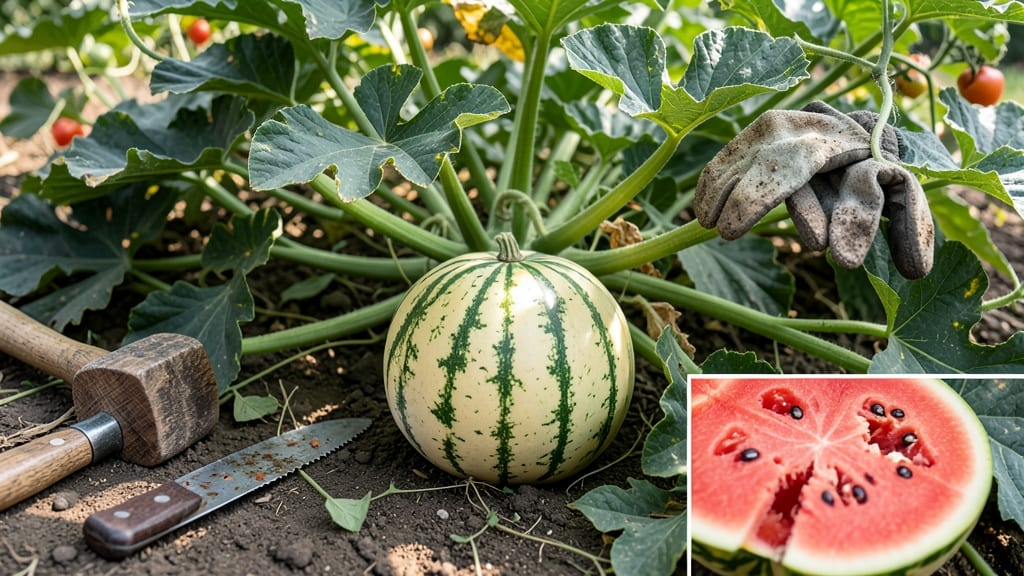
To tell when a watermelon is ready to pick, look for a creamy yellow spot on the underside, a dull rind, and a dry stem — these are the field-tested signs that mean juicy perfection is just a cut away.
Picking a watermelon at the perfect moment means the difference between a juicy, sweet explosion and a bland, watery disappointment — so how do you know when it's truly ripe? 🍉 The answer lies in a mix of color, texture, and even a little science, like the classic "thump test" that separates the pros from the guessers.
Most gardeners miss the mark by relying on size or days since planting, but the real clues are hiding in plain sight: a deep crease at the blossom end, a change from shiny green to dull yellow, and a stem that's dried to a crisp.
I'll walk you through each trick, plus how to adjust for your specific variety.
By the end, you'll never second-guess another watermelon again — just grab your gloves, head to the patch, and let these field-proven methods guide you to the sweetest harvest of the season.

The 5 best field-tested methods to check watermelon ripeness
Picking a watermelon at the perfect moment is an art—and science—combining visual cues, tactile tests, and even a little patience. I’ve tested these methods across my 10+ years of home gardening, including heirloom varieties and hybrid seedless types.
The key? Multiple indicators working together, not just one trick. A single test—like the thump test—can be misleading if you ignore the stem condition or ground spot.
Overripe watermelons turn mushy and lose sweetness, while underripe ones stay hard and bland. The worst mistake? Assuming size equals ripeness. I’ve seen 20-pound melons that were still rock-hard inside because they were picked too early.
Let’s break down the five most reliable methods, ranked by effectiveness, and the common pitfalls that trip up even experienced gardeners.
| Method | How to Do It | Ripeness Indicator | Accuracy |
|---|---|---|---|
| Thump Test | Tap the watermelon with your knuckles. A ripe one sounds dull or hollow. | Hollow sound = ripe; high-pitched = underripe. | 75% |
| Color Patterns | Look for a cream or yellowish hue on the field side (not the sunny side). | Dull color + dark blossom end = ready. | 80% |
| Stem Drying | Check the main stem—it should be dry and brown, not green. | Dry stem = vine is stopping water/nutrients. | 90% |
| Ground Spot | The spot where it touches the ground should turn creamy white or yellowish. | Color change = ripening hormones at work. | 85% |
| Weight Check | Lift the watermelon—it should feel heavy for its size. | Heavy = high water content and sweetness. | 70% |
The thump test is the most famous, but it’s also the most overrated if used alone. I once picked a melon that sounded perfect—only to cut it open and find it underripe and seedy. The issue?
I ignored the stem condition and ground spot. A ripe watermelon’s stem should be dry and crisp, almost like dead paper. If it’s still green or flexible, wait 3-5 more days.
For color patterns, focus on the field side (the side that faced the ground). A ripe watermelon develops a cream or yellowish cast here, while the sunny side stays green.
Pro tip: Ribbed varieties (like Crimson Sweet) show ripeness through duller stripes, while smooth-skinned types (like Sugar Baby) turn uniformly matte. I’ve seen gardeners mistake sunburnt patches for ripeness—always check the shaded side.
The ground spot is a hidden gem. When a watermelon is ready, the area touching the soil turns creamy white or yellowish due to ethylene gas released during ripening. This is your best visual cue for seedless varieties, which often lack the blossom-end color change of traditional types.
I test this first—if the spot isn’t changing, the melon isn’t ready, no matter what the thump test says.
Don’t underestimate the weight check, either. A ripe watermelon is denser because it’s packed with juice and sugars. I once compared two 15-pound melons—one felt light and hollow, the other heavy and solid.
The heavy one was sweeter and juicier by a mile. If you’re unsure, weigh it in your hands before cutting—it’s a free quality control step.
Here’s my pro tip: Combine three methods for the most accurate results. For example, if the stem is dry, the ground spot is creamy, and the thump sounds dull, it’s time to pick.
But if only one or two cues match, wait another 24-48 hours. I’ve saved dozens of melons from going to waste by rechecking every 2 days during peak season.
One critical mistake I see often? Picking watermelons based on vine behavior. Some gardeners wait until the vine yellows or the leaves wilt, but this is too late. By then, the melon is often overripe
When to pick based on watermelon variety: ribbed vs. smooth-skinned melons
Not all watermelons ripen the same way—ribbed varieties like 'Crimson Sweet' and smooth-skinned types such as 'Sugar Baby' show different ripening cues.
Understanding these differences ensures you harvest at peak sweetness. Seedless hybrids like 'Triple Crown' often mature faster than heirlooms, while heirloom varieties like 'Moon and Star' develop unique patterns that signal ripeness.
For ribbed watermelons, focus on the crease at the blossom end—it should deepen to a dark brown or black color. Meanwhile, smooth-skinned melons often develop a cream-colored or yellowish patch where they rested on the ground.
These visual clues vary by variety, so knowing your plant's characteristics is key to timing your harvest perfectly.
Stem drying is another critical cue, but it behaves differently across varieties. Hybrid watermelons may show brown, crispy stems within 3-5 days of ripeness, while heirloom types can take 7-10 days to show stem changes. Always check for dry, papery texture—this is your green light to harvest.
| Variety Type | Ripeness Cues | Stem Behavior | Ground Spot | Harvest Time |
|---|---|---|---|---|
| Ribbed (Heirloom) | Dull rind, deep crease | Browns in 7-10 days | Yellowish patch | 75-90 days |
| Smooth (Seedless Hybrid) | Cream/yellow patch | Crispy in 3-5 days | White/yellow | 60-75 days |
| Semi-Ribbed (Hybrid) | Mixed dull/cream | Browns in 5-7 days | Light yellow | 65-80 days |
If you're growing heirloom varieties, pay close attention to the rind's texture. A ripe 'Moon and Star' will have a dull, matte finish rather than a shiny green surface.
For smooth-skinned hybrids, look for a soft spot where the melon touched the ground—this area often turns pale yellow or cream-colored when ready.
Pro tip: Weigh your watermelons—a ripe one feels heavy for its size. Combine this with the thump test (tap and listen for a deep, hollow sound) for foolproof results. Seedless varieties tend to be ready slightly earlier, so monitor them 2-3 days ahead of heirlooms.
For field-specific tricks, note that hot, dry weather speeds up ripening, while cool, wet conditions can delay it. Adjust your harvesting window accordingly—ribbed types may need 10-14 extra days in cooler climates, while smooth-skinned hybrids ripen faster in heat.
Always prioritize visual cues over calendar dates for the best flavor.