
Flowers
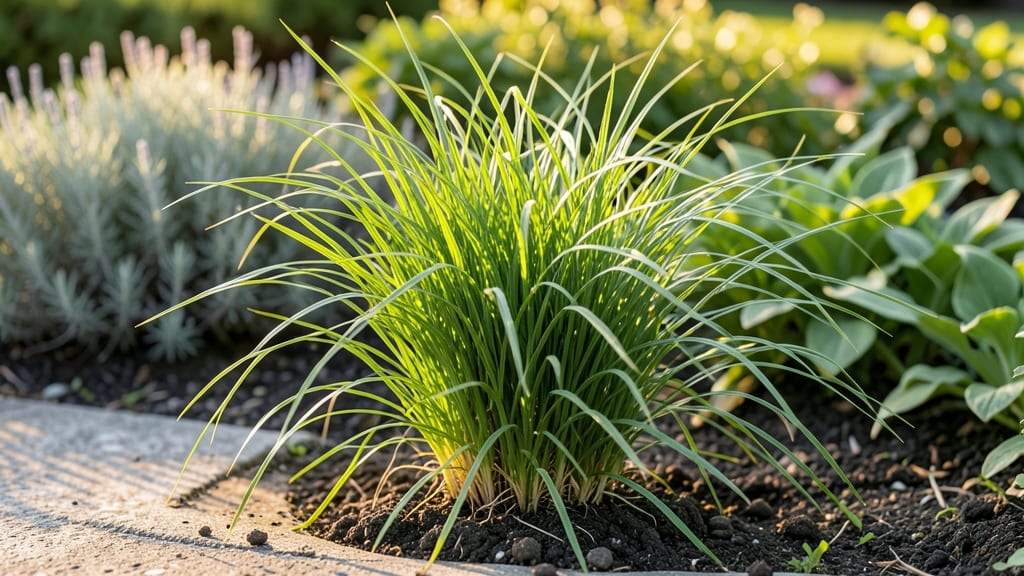
Citronella is a perennial plant that thrives by going dormant in winter, dying back to the ground while preserving its hardy root system to regrow each spring with proper care.
This dieback-and-regrowth cycle is what classifies it as a true perennial—just like lavender or mint—though it behaves more like a tender perennial that needs winter protection in colder zones. 🌱 The key lies in its fibrous root system, which stores energy underground during dormancy, allowing it to rebound vigorously when temperatures rise.
Unlike annuals that complete their life cycle in one season, citronella's roots remain alive, making it a low-maintenance choice for gardeners in warm climates.
What sets citronella apart is its adaptability: while it won’t survive harsh freezes without protection, even a light frost won’t kill it if the roots stay intact. I’ve seen it bounce back from near-total winter dieback in zones 9-11 with just a little mulch and springtime watering.
The secret is treating it like a sleeping beauty—give it the right conditions, and it’ll wake up stronger every year.
💡 In This Article
- How Citronella’s Root System Ensures Perennial Growth
- Year-Round Care for Citronella’s Perennial Lifespan
How citronella’s root system ensures perennial growth
Citronella's perennial nature stems from its robust rhizomatous root system, a fibrous network that spreads horizontally just below the soil surface. Unlike taproots (like carrots), these roots store carbohydrates—up to 30% of the plant's energy reserves—in specialized cells called parenchyma, which act like natural batteries.
This stored energy fuels regrowth after winter dormancy, a process similar to how mint or ginger plants regenerate annually. 🌱
The dieback cycle begins when temperatures drop below 50°F (10°C), triggering the plant to shed its above-ground foliage while keeping roots alive. In zones 9-11, this happens naturally, but in cooler zones (7-8), a 3-4 inch mulch layer mimics the tropical conditions it prefers.
The roots remain dormant but viable for 3-6 months, with regrowth typically kicking off when soil temperatures hit 60°F (15°C) in spring.
What makes citronella unique is its cold hardiness threshold: it can survive brief exposures to 25°F (-4°C) if roots stay protected, but prolonged freezing damages the rhizomes. This explains why gardeners in zone 8 often treat it as an annual—without winter protection, the roots may not regenerate fully.
Compare this to lavender, which has deeper taproots allowing it to survive 15°F (-9°C) with minimal care.
The regrowth process is fascinating: new shoots emerge from axillary buds along the rhizomes, each containing pre-formed leaves that unfurl within 2-3 weeks of warm soil conditions. This rapid rebound is why citronella's scent returns so predictably each season—its root system ensures continuity even when the plant appears dead.
The key factor here is moisture: roots need consistent hydration during dormancy to prevent desiccation, which is why mulching isn't just protective but also moisture-retaining.
One common misconception is that citronella's dieback means it's not truly perennial. However, the botanical definition requires only that the plant regrow from living tissue—roots, bulbs, or tubers—each year. Citronella fits this perfectly, though its tender perennial classification means it's more sensitive than hardy perennials like hostas.
The trade-off is its faster growth rate and stronger fragrance, which make the extra winter care worthwhile for gardeners in marginal zones.
To visualize this: imagine a network of white, carrot-like strands (the rhizomes) sprawling 12-18 inches deep and 2-3 feet wide—this is where all the action happens. When you see those familiar lemon-scented leaves reappear in spring, you're witnessing the power of this underground storage system at work. 💫