
Flowers
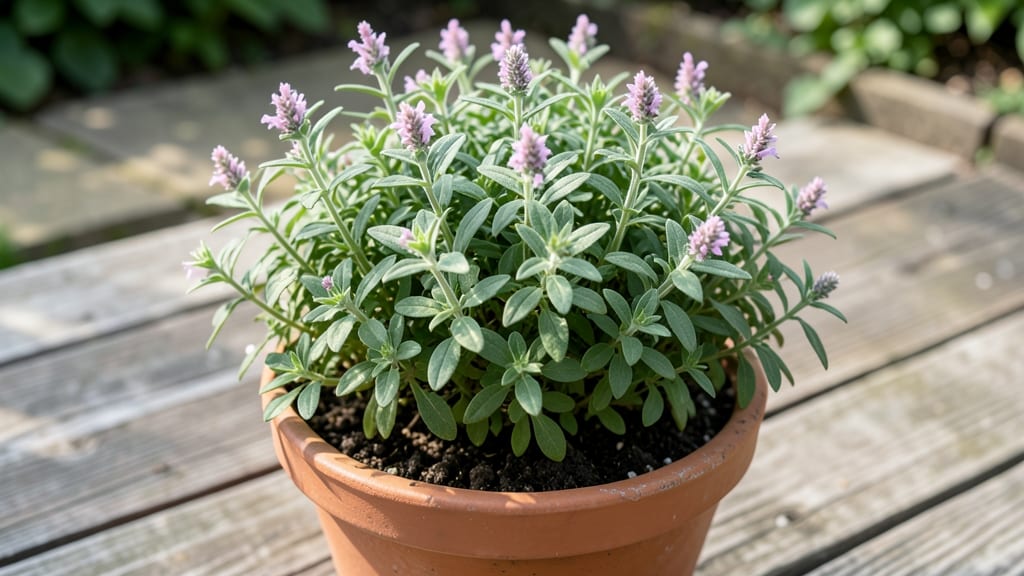
Yes, oregano is a perennial herb that thrives in USDA zones 5-9, returning yearly with proper care, though some varieties may die back in extreme cold before regrowing in spring. Its hardy nature makes it ideal for long-term garden beds and containers.
Oregano's perennial status means it grows back reliably each season from its root system, which stores energy to fuel new growth in spring. 🌱 Unlike annuals that complete their life cycle in one year, oregano's deep roots let it survive winter dormancy in zones 5-9—though some varieties might look dormant until temperatures warm.
This makes it perfect for gardeners who want flavorful herbs without yearly replanting.
What sets oregano apart is its adaptability—whether planted in garden beds or containers, it thrives with minimal fuss. The key to its longevity lies in its cold resistance, though zone 4 gardeners need extra protection like mulch or containers to prevent winter damage.
Understanding these growth habits helps you plan for year-round harvests with minimal effort.
💡 In This Article
- Oregano’s Perennial Growth Cycle and Cold Hardiness
- Best Practices for Overwintering Oregano in Cold Climates
Oregano’s perennial growth cycle and cold hardiness
Oregano's perennial nature stems from its robust root system, which can extend 12-18 inches deep into the soil. These fibrous roots store carbohydrates during summer growth, fueling regrowth when temperatures rise in spring.
The plant enters dormancy in winter, conserving energy—similar to how trees survive cold seasons—but unlike trees, oregano's above-ground growth dies back completely in harsh winters, leaving only the roots alive.
The USDA zones 5-9 designation reflects oregano's ability to tolerate winter temperatures down to -20°F to 30°F, though zone 5 plants may experience die-back. In zone 6-9, oregano typically remains evergreen or semi-evergreen, with only minimal leaf loss.
The key difference lies in the root's resilience: while Mediterranean oregano (Origanum vulgare) handles zone 5 winters, Greek oregano (Origanum heracleoticum) often needs winter protection in zone 4.
Regrowth timing varies by climate—spring regrowth begins when soil temperatures reach 50°F, typically 2-4 weeks after last frost. In warmer zones (7-9), oregano may show new growth as early as February, while zone 5 plants often wait until April.
The plant's ability to regenerate from roots means even if tops die back, it can bounce back with proper care, unlike annual herbs that must be replanted yearly.
What makes oregano uniquely hardy is its drought tolerance combined with cold resistance. Unlike many perennials that suffer in either extreme, oregano thrives in both dry summers and cold winters, provided it has well-draining soil.
This dual adaptability explains why it's a garden staple across diverse climates—from California's Mediterranean zones to the Pacific Northwest's cooler summers.
For gardeners in zone 5, the trade-off is visible: while oregano survives winters, it may appear completely dormant until late spring. In contrast, zone 9 plants often maintain some green foliage year-round.
This difference highlights how oregano's perennial behavior adapts to local conditions, making it one of the most forgiving herbs for long-term cultivation.
Understanding this growth cycle helps explain why oregano spreads so easily—its deep roots and vigorous regrowth create dense patches over time.
The plant's ability to self-seed also contributes to its perennial status, as fallen seeds often sprout in favorable conditions, creating natural colonies that persist for decades with minimal human intervention.