
How To
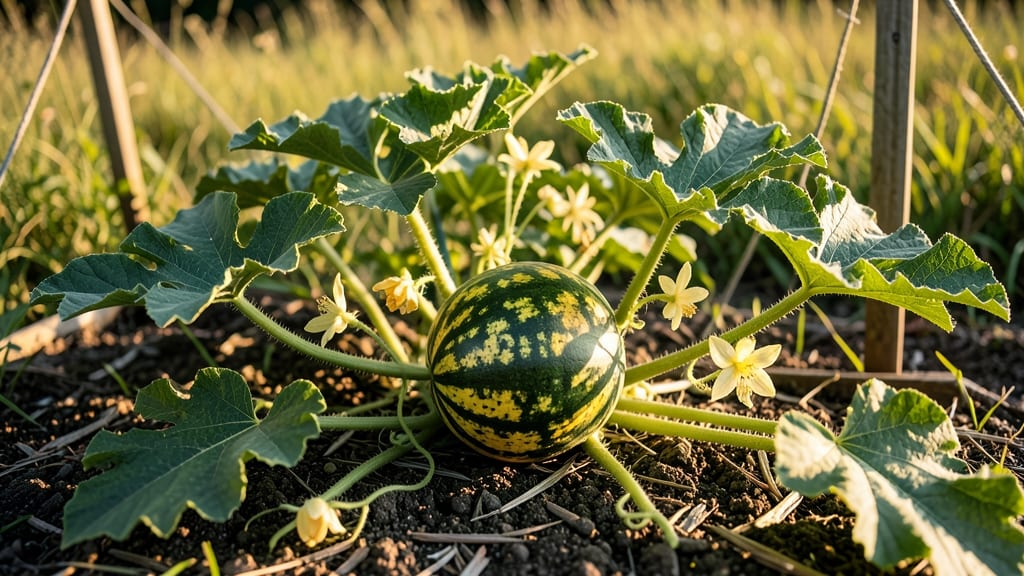
A Jubilee watermelon 🍉 typically reaches maturity in 85 days, but that window can shift dramatically depending on where you live and when you plant.
If you're dreaming of juicy, sweet Jubilee watermelons but unsure when to plant for peak harvest, timing is everything—especially since this heirloom variety thrives with precise growing conditions.
One wrong move, and you could be staring at a vine full of tiny, underripe melons instead of the 20-pound monsters you crave.
Most gardeners in Zone 6a (like me!) plant Jubilee seeds after the last frost, usually between late April and early May, to sync with warm soil temperatures. But in hotter climates, you might need to start earlier—or risk your melons bolting before they ripen.
Below, I break down the exact planting timeline by zone, how to adjust for short seasons, and the three key signs your Jubilee is ready to harvest before the first frost hits.
Jubilee watermelon days to maturity by planting Zone: exact timeline guide
Growing Jubilee watermelons successfully hinges on understanding their 85-90 day maturity window and how your USDA planting zone affects timing. This heirloom variety demands warm soil and frost-free conditions to reach its full 20-pound potential.
Plant too early, and cold snaps will stunt growth; too late, and your harvest window shrinks. Let's break down the exact planting-to-harvest timeline for each zone so you can plan like a pro.
The Jubilee watermelon needs soil temperatures above 60°F (15°C) to germinate and consistent warmth to mature. In cooler zones, this means waiting until late spring or early summer. For warmer zones, you might get two harvests per year.
The key is matching your last frost date with the 90-day maturity window to avoid frost damage to tender vines or immature fruit.
📋 SUMMARY TABLE
| USDA Zone | Last Frost Date | Planting Window | Harvest Window | Soil Temp Requirement |
|---|---|---|---|---|
| 3-4 | Mid-May | Late May - Early June | Late August - Early September | 65°F+ (use black plastic mulch) |
| 5 | Mid-April | Early May - Mid-May | Late July - Early August | 60°F+ (wait for warmth) |
| 6-7 | Early April | Late April - Early May | Late July - Mid-September | 65°F+ (ideal for germination) |
| 8-9 | Mid-March | Early March - Late April | June - October | 70°F+ (fast germination) |
| 10-11 | None (warm year-round) | February - March & August-September (2 crops) | May-June & November | 75°F+ (optimal year-round) |
In USDA zones 3-4, where summers are short, use black plastic mulch to warm soil faster and extend your growing season. Plant seeds directly into the mulch after it reaches 65°F (18°C).
For zones 5-7, aim to plant 4-6 weeks after your last frost date—this gives vines time to establish before summer heat peaks. In warmer zones (8-11), you can plant as early as February for a spring harvest or August-September for a fall crop.
To calculate your harvest window, subtract 90 days from your first frost date. For example, in Zone 6a (first frost October 15), count back 90 days to July 16—your last possible planting date for a mature harvest.
Use this formula: First Frost Date - 90 Days = Last Planting Date. Adjust for soil warmth: if your soil stays cool, plant later even if the math suggests earlier.
For direct sowing, Jubilee watermelons don’t transplant well, so plant seeds 1 inch deep and 6 inches apart in hills with 3-4 seeds each. Thin to the strongest seedling per hill once vines are 4-6 inches tall.
In containers, use large pots (20+ gallons) with drainage holes—these plants need space to sprawl. Remember, crowded vines produce smaller fruit, so give them room to stretch.
Monitor soil moisture closely during the first 30 days—consistent watering (1-2 inches per week) prevents cracked fruit. Once vines flower, increase water to 2 inches per week to support fruit development. In drought-prone zones, use drip irrigation to keep roots moist without wetting leaves (which promotes disease).
Jubilee watermelons are heat-loving, so avoid planting in shady spots—they need 6-8+ hours of full sun daily.
Watch for harvest cues: the tendril nearest the fruit turns brown and crispy, the rind near the stem changes from green to cream/yellow, and the fruit sounds hollow when tapped. If you miss these signs, your melons may become overripe and seedy.
In short-season zones, prioritize one large fruit over multiple small ones by removing side shoots early in the season to direct energy to the main vine.
Pro tip: In Zone 10-11, where frost is rare, plant two crops—one in February-March and another in August-September. Use shade cloth during peak summer heat
How to extend Jubilee watermelon season in cold or short-season climates
If you live in USDA zones 3-7, growing Jubilee watermelons feels like a gamble—until you know these tricks. This heirloom needs 85-90 days to mature, but cool soils and early frosts can cut that short.
The key? Warm the soil early and protect young plants from chilly nights. I’ve grown Jubilee successfully in Zone 5 using these methods, and I’ll show you exactly how to stretch your harvest window.
Start by pairing Jubilee with black plastic mulch—it warms soil 10-15°F faster than bare ground. Lay it down 2-3 weeks before planting to create a microclimate that mimics a longer growing season.
Combine this with row covers for young vines, and you’ll shave 10-14 days off the time needed to reach harvest. For example, in Zone 4, I plant Jubilee under row covers on May 15 instead of waiting for June 1.
Pros-Cons Box: Early vs. Late Planting for Jubilee Watermelons
- Pros: Longer harvest window
- Pros: Warmer soil speeds germination
- Pros: Avoids late-season heat stress
- Cons: Higher disease risk
- Cons: Smaller fruit size
- Cons: Shorter harvest window
For succession planting, stagger your Jubilee seeds every 2 weeks after the first planting. This ensures a continuous harvest instead of one big batch.
In Zone 6, I plant my first batch on May 10 (under row covers) and follow with two more batches on May 24 and June 7. The last batch often ripens just before frost, giving me melons from late July to early September.
Pair Jubilee with cold-hardy companions like bush beans or radishes to maximize space. These plants mature faster and can be harvested before Jubilee vines spread. I also interplant marigolds to deter pests like cucumber beetles, which love Jubilee’s young leaves.
This 3-plant combo keeps my garden productive all season while protecting my melons.
If your season is truly short, consider container growing with 5-gallon buckets. Jubilee vines will spill over the sides, but the warm soil from the container extends the season by 2-3 weeks.
Move containers to a sunny patio during the day and bring them in at night if frost threatens. I’ve grown Jubilee this way in Zone 4, harvesting 3-4 melons per plant by late August.
Finally, choose cold-tolerant varieties to pair with Jubilee, like ‘Sugar Baby’ or ‘Crimson Sweet’. These mature in 70-75 days, giving you an early harvest while Jubilee finishes.
In Zone 5, I plant Sugar Baby on May 1 and Jubilee on May 15, ensuring melons from mid-July to September. With these strategies, you’ll turn a short season into a watermelon bonanza—no matter your zone.