
Pruning
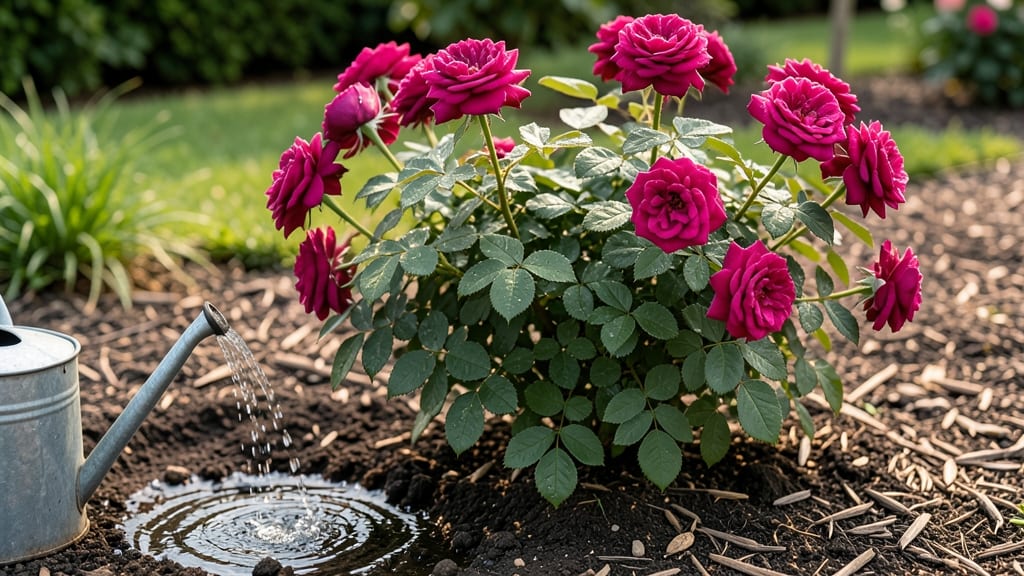
Watering your Knock Out roses 🌹 the right way keeps them blooming all season without the dreaded root rot that turns vibrant bushes into sad, wilted stems.
You’ve probably noticed how easy these roses are to grow—until you hit that sweet spot between drowning their roots and leaving them thirsty. Too much water, and you’re fighting fungus; too little, and the flowers wilt faster than you can snap a photo.
Here’s the game-changer: a seasonal watering schedule that adapts to heat, rain, and dormancy. We’ll cover how deep to water, when to skip it (yes, really), and the simple tools that make it foolproof—even for busy gardeners.
By the end, you’ll know exactly when to reach for the hose, how to check soil moisture without guessing, and why mulch is your secret weapon for drought-proof blooms.


Seasonal Knock Out rose watering schedule for optimal growth
Your Knock Out roses thrive on consistency, but their watering needs shift dramatically with the seasons. In spring, focus on rehydrating roots after winter dormancy, while summer demands deep, frequent watering to support nonstop blooms.
Even fall and winter require adjustments—skipping water entirely in winter can lead to winter burn, while overwatering in cold months suffocates roots. Let’s break down the perfect month-by-month schedule to keep your roses vibrant year-round.
First, understand that Knock Out roses are drought-tolerant once established, but they despise soggy soil. The key is deep watering—soaking the root zone 12-18 inches deep—rather than light, frequent sprinkles. Use your finger to check soil moisture: if the top 2 inches feel dry, it’s time to water.
Adjust for rainfall by skipping watering if you’ve had 1 inch of rain in the past 24 hours.
Pro Tip: Water in the early morning (before 10 AM) to reduce evaporation and fungal risks. Avoid evening watering, as wet foliage overnight invites black spot disease. Mulch with 2-3 inches of organic mulch (like shredded bark) to retain moisture and regulate soil temperature.
🌹
Let’s dive into each season’s specifics. In spring, your roses wake from dormancy with a thirst for moisture. Start watering every 3-5 days once soil temperatures hit 55°F. Look for new shoots as a sign to increase frequency.
If your roses look leggy or yellowing, they’re likely underwatered—adjust immediately. For potted Knock Out roses, water every 2-3 days in spring, as containers dry out faster.
Summer is the most critical time for watering. With nonstop blooming, your roses need daily deep watering—aim for 1.5-2 gallons per plant. If your area experiences heatwaves (above 90°F), increase to every other day and water twice daily (morning and late afternoon).
Monitor for drooping leaves or bud drop, which signal stress. Use a soaker hose to deliver water directly to the roots without wetting foliage.
As fall arrives, reduce watering gradually. By October, switch to every 5-7 days to encourage root hardening before winter. Stop fertilizing in late summer to prevent tender new growth.
In November, water only if the ground isn’t frozen—6-8 inches deep is sufficient. Mulch with 4-6 inches of straw or leaves to insulate roots from freezing temperatures.
Winter care is often overlooked, but it’s vital. Knock Out roses enter dormancy but still need minimal moisture if snow cover is absent. Water bi-weekly only if the ground isn’t frozen, using lukewarm water to avoid shocking roots.
Watch for cracked bark or wilted canes, which indicate winter desiccation. If your roses are heavily mulched, you may skip winter watering entirely.
Adjust your schedule based on your local climate. In arid regions, increase summer watering by 30%, while humid climates may require more frequent checks for fungal diseases. Always prioritize soil health
How to water Knock Out roses without causing root rot
Knock Out roses thrive on consistent moisture but despise soggy soil. The key to preventing root rot lies in understanding their water needs—deep, infrequent watering that mimics natural rainfall patterns.
Unlike delicate roses, these hardy shrubs can handle brief dry spells once established, but their roots need room to breathe. I’ve learned the hard way that overwatering kills them faster than underwatering.
Start by checking the soil moisture before watering. Stick your finger 2-3 inches deep into the soil—if it feels dry, it’s time to water. If it’s still damp, wait another day.
This simple check saves my roses from waterlogged roots every season. Morning watering is non-negotiable; it reduces evaporation and fungal risks that come with evening moisture.
⚠️ CALLOUT WARNING ⚠️
These roses need well-draining soil—clay or compacted soil traps moisture, suffocating roots. Amend your soil with compost or perlite before planting. If your garden has heavy soil, consider raised beds or mounding soil around the base to improve drainage.
Signs of overwatering:
- Yellowing leaves (not just from pests!)
- Mushy, black stems at the base
- Foul-smelling soil
- Leaves that wilt despite wet soil
Action step: If you suspect overwatering, stop watering immediately and let the soil dry out. Trim any mushy stems with sterilized pruners to prevent spread.
For newly planted roses, water deeply every 2-3 days for the first month to encourage root growth. After that, shift to weekly deep waterings—aim for 1-1.5 gallons per plant per session.
Use a soaker hose or drip irrigation to deliver water slowly at the base, avoiding the foliage to prevent fungal diseases like black spot.
In summer heat, increase frequency to every 2-3 days but adjust based on rainfall. Mulch around the base with 2-3 inches of organic mulch (like shredded bark) to retain moisture and regulate soil temperature. This simple step cuts my watering needs by 30% while keeping roses lush and blooming.
Watch for underwatering signs too—crispy edges on leaves, buds that drop before opening, or a general wilting despite dry soil. Unlike overwatering, underwatering is easier to fix: give your roses a deep soak and monitor closely for recovery.
Established roses can handle light drought, but prolonged dryness stresses them and reduces blooms.
Adjust your watering routine seasonally. In spring and fall, water when the top 1-2 inches of soil feel dry. In winter, reduce watering to every 2-3 weeks unless your area experiences freezing temperatures—then, let the soil dry out completely to prevent root damage from ice.