
Flowers
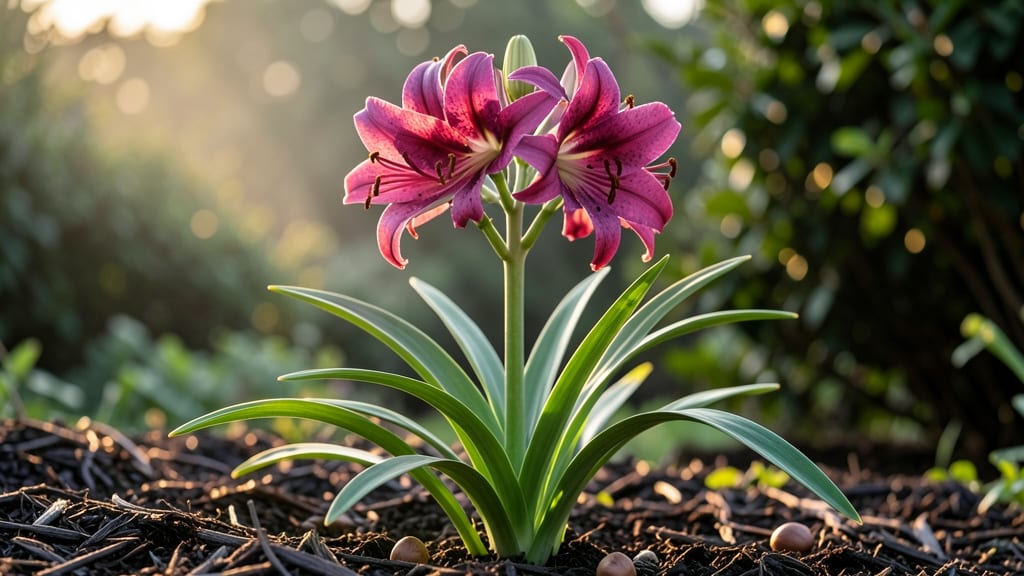
Oriental lilies aren’t just survivors—they’re cold-hardy perennials that bounce back year after year. 🌱 I’ve watched mine push through frost every spring, proving they’re far from annuals. The key lies in their deep roots and how they handle winter dormancy.
Unlike delicate annuals, these lilies store energy underground, emerging stronger each season. In zones 3-9, they thrive with minimal fuss—just plant once and enjoy blooms for years. Their secret? A well-drained spot and mulch to protect roots from freezing.
You’ll love how they multiply over time, sending up new shoots while their dramatic blooms return annually. The scent alone makes them worth the wait—rich, intoxicating, and impossible to ignore. For best results, plant bulbs in fall so roots establish before winter.
In colder zones, add extra mulch, and you’ll have a showstopper garden feature that keeps coming back.
📚 In This Guide
- What you need
- Instructions
- Tips and common mistakes
- Wrapping up and next steps
What you need
- ● Oriental lily bulbs: Choose healthy, firm bulbs (size 12+ for best blooms). Quantity: 3–5 bulbs per planting area (depending on desired density).
- ○ Well-draining soil: Mix compost (1 part) with garden soil or potting mix (2 parts) for optimal aeration. Optional: Add perlite or sand for extra drainage.
- ● Planting site: Full sun (6+ hours/day).
- ● Sheltered from strong winds (use bamboo stakes or trellises for support if needed).
- ● Watering can or hose: With a gentle spray nozzle for post-planting care.
- ● Organic mulch: Straw or shredded leaves (2–3 inches thick) to retain moisture and insulate roots in winter.
- ● Fertilizer: Balanced granular fertilizer (10-10-10) at planting time.
- ○ Slow-release bulb fertilizer (optional, for perennials).
- ● Gloves and hand trowel: For safe handling and precise planting.
- ● Soil pH test kit: Oriental lilies prefer slightly acidic to neutral soil (pH 6.0–7.0). Adjust with lime or sulfur if needed.
- ● Compost tea or fish emulsion: For a nutrient boost during the growing season.
- ● Pest deterrents: Neem oil (for aphids or thrips).
- ● Row covers (to protect from early frost or pests).
- ● Decorative stakes or rings: To elevate blooms and add visual flair.
How to grow Oriental lilies as cold-resilient perennials
These stunning blooms thrive year after year with minimal fuss—here’s how to plant them for lasting beauty.
🌱 Step 1: Choose the Right Location and Soil
Oriental lilies need full sun to partial shade—at least 6 hours of direct sunlight daily—but they tolerate light shade in hotter climates. I always pick a spot with well-draining soil, as soggy roots lead to rot. If your soil drains poorly, amend it with 2-3 inches of compost mixed into the top 12 inches of soil.
Test your soil’s moisture by digging a 6-inch hole and filling it with water. If it drains in under 30 minutes, your soil is fine. If water pools after an hour, improve drainage by adding sand or gravel before planting. These lilies reward patience—once established, they’ll bloom for 2-3 weeks in late summer to early fall.
🪴 Step 2: Plant Bulbs at the Correct Depth and Spacing
Plant Oriental lily bulbs in early spring or fall, about 4-6 weeks before the ground freezes. Dig a hole 3 times deeper than the bulb’s height—typically 6-8 inches deep—and space bulbs 12-18 inches apart. I like to plant them in clusters of 3-5 bulbs for a dramatic display.
Place the bulb in the hole with the pointy end facing up (this is the shoot). Cover it with soil and water deeply until the soil is evenly moist but not soggy. Mulch with 2-3 inches of organic mulch (like shredded bark) to protect roots in winter and retain moisture in summer. Avoid heavy mulch that smothers the soil.
☀️ Step 3: Water and Fertilize for Strong Growth
Water newly planted lilies once a week for the first month, then reduce to every 2 weeks once established. Oriental lilies are drought-tolerant but bloom best with consistent moisture. You’ll know they’re happy when the leaves are deep green and sturdy, not wilting or yellowing.
Fertilize in early spring with a balanced, slow-release fertilizer (like 10-10-10) at half strength. Avoid high-nitrogen fertilizers—they encourage leafy growth at the expense of blooms. I also add a handful of bone meal to the planting hole for extra phosphorus, which boosts root and flower development. Stop fertilizing after mid-summer to let the plant focus on preparing for winter.
✂️ Step 4: Deadhead and Protect for Winter
After blooming, cut back the flower stalks but leave the foliage intact until it yellows naturally. The leaves feed the bulb for next year’s blooms. Once the leaves turn brown, trim them back to the ground but wait until late fall to remove them—this prevents the bulb from storing energy for spring.
In USDA Zones 5-7, mulch heavily (4-6 inches) with straw or leaves before the first frost. In colder zones, consider extra mulch or a thick layer of burlap over the bed. Oriental lilies are hardy to Zone 4, but a little winter protection ensures they rebound stronger each year. I’ve seen them bounce back after 20°F nights with no issues.
⏰ Step 5: Divide and Replant Every 3-4 Years
Oriental lilies multiply over time, and their blooms may decline if they get too crowded. Divide them in early spring or fall when the foliage is dormant. Dig up the clump and separate the bulbs, ensuring each has at least one healthy shoot. Replant the divisions immediately in fresh soil, following the same depth and spacing guidelines.
This is the secret to keeping your lilies vibrant—younger bulbs bloom more reliably. I like to replant divisions in new spots every few years to prevent disease buildup in the soil. With proper care, a single planting can last decades, producing dozens of blooms each season.
Tips & tricks for perfect Oriental lily plantings
These simple strategies will help your cold-hardy lilies thrive for years—no green thumb required.
Sunlight Strategy: While 6 hours of sunlight is the minimum, I’ve found that lilies planted in morning sun with afternoon shade in hot climates produce even more vibrant blooms. If your garden gets intense afternoon heat, consider planting near a fence or wall that provides natural shade after noon. The key is avoiding midday sunburn on the leaves, which can weaken the plant before it even blooms.
Soil Test Hack: Don’t guess about drainage—test your soil properly. Dig a 6-inch hole and fill it with water. If it drains completely in under 30 minutes, you’re good to go. If water remains after an hour, mix in sand or perlite (about 20% of the soil volume) to create better drainage channels. I’ve seen soggy soil turn lilies into a mushy mess, so this test is worth the 5 minutes it takes.
Planting Depth Visual: When planting at 6-8 inches deep, use the bulb’s height as your guide—dig a hole three times deeper than the bulb itself. For most Oriental lilies, this means the top of the bulb should be about 2 inches below the soil surface**. A simple trick I use is to place the bulb on the hole’s edge and mark where the top would sit—this ensures consistent depth every time. Too shallow, and the bulb can rot; too deep, and it may not bloom.
Winter Protection Layer: For Zones 5-7, the 4-6 inches of mulch before frost is critical, but don’t stop there. In colder areas, add a thin layer of burlap over the mulch for extra insulation. I’ve seen lilies survive 20°F nights with this protection, but without it, even hardy bulbs can suffer frost damage. Think of it like dressing your plants for winter—an extra layer makes all the difference.
Pro Tips for Oriental Lily Annual Or Perennial
- These simple strategies will help your cold-hardy lilies thrive for years—no green thumb required.
- Sunlight Strategy: While 6 hours of sunlight is the minimum, I’ve found that lilies planted in morning sun with afternoon shade in hot climates produce even more vibrant blooms.
- Soil Test Hack: Don’t guess about drainage—test your soil properly.
Frequently asked questions
Got questions about Oriental lilies?
You’re not alone! Whether you’re a first-time gardener or a seasoned green thumb, these stunning blooms can spark curiosity. Below, we tackle the most common queries—from care tips to lifecycle quirks—to help you grow confidently.
Are Oriental lilies truly perennial, or do they die back every year?
Oriental lilies are hardy perennials in USDA zones 4–9, meaning they’ll rebound annually if given proper care. Their foliage dies back in winter, but the bulbs stay dormant underground—just like tulips or daffodils. In colder zones (below 4), mulch heavily or dig up bulbs for winter storage to prevent frost damage.
How cold can Oriental lilies tolerate before they suffer?
These lilies thrive in sub-freezing temps, with most varieties surviving down to 10°F (-12°C). However, prolonged exposure to below 0°F (-18°C) can cause bulb rot. Pro tip: Apply a 4–6 inch layer of mulch (straw or shredded leaves) after the first frost to insulate roots.
Why do my Oriental lilies not come back every year?
Missing blooms often stem from overwatering, poor drainage, or bulb rot. Ensure soil drains well (amend with perlite if needed) and avoid soggy conditions. Pests like lily beetles or fungal diseases (e.g., botrytis) can also weaken bulbs. Solution: Inspect bulbs at planting time and treat with neem oil if pests are spotted.
Can I grow Oriental lilies in containers instead of garden beds?
Containers work well if you use large pots (12+ inches deep) with drainage holes and a mix of potting soil + perlite. Move pots to a protected spot (like a garage) in winter for zones colder than 7. Bonus: Container-grown lilies bloom earlier in spring since bulbs warm faster.
What’s the best alternative if Oriental lilies don’t thrive in my climate?
If your zone is too cold (below 4) or too hot/humid (above 9), try these low-maintenance perennials with similar drama:
- Daylilies (Hemerocallis): Thrives in zones 3–10, drought-tolerant, and blooms repeatedly.
- Bearded Iris: Cold-hardy (zones 3–9), pest-resistant, and loves full sun.
- Canna Lilies: Heat-loving (zones 8–11), tropical vibes, and digs up bulbs in winter.
Wrapping up and next steps
So, whether you’re dealing with Oriental lilies as perennials or treating them as annuals for convenience, you now have the tools to nurture their stunning blooms year after year. 🌸 Their cold-hardy nature and natural rebounding ability make them a rewarding choice for gardeners—just give them the right conditions, and they’ll reward you with vibrant, long-lasting flowers.
Ready to transform your garden? Start by assessing your climate, prepping the soil, and planting with confidence. Whether you’re a seasoned gardener or a curious beginner, these resilient beauties are sure to bring joy—and maybe even a few compliments! 🌿