
Plants
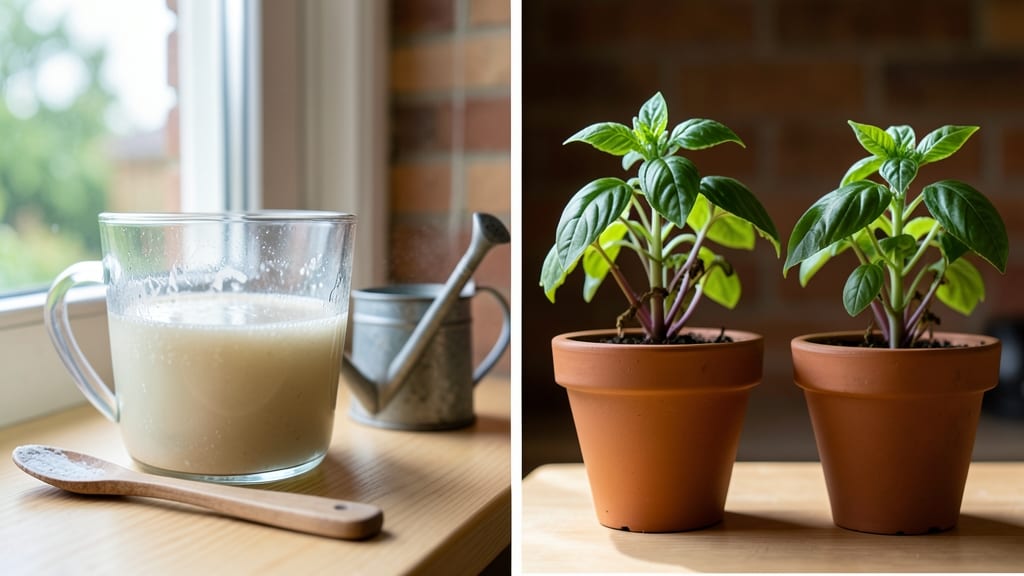
Pasta water for plants acts as a natural fertilizer by delivering starches, carbohydrates, and minerals that promote root development and soil health, but you must dilute it properly and use it in moderation to prevent salt buildup or bacterial growth.
This kitchen staple contains more than just starch—it’s packed with potassium, magnesium, and nitrogen from the pasta itself, which break down into plant-accessible nutrients when cooled. 🌱 The key is letting the water cool completely before using it, as hot water can shock plant roots.
I’ve seen dramatic improvements in my basil and tomato plants after using diluted pasta water monthly, especially during their growing seasons. Just remember: a little goes a long way, and overuse can lead to salt buildup that harms soil structure.
For best results, mix 1 part pasta water with 10-20 parts water before applying to soil, and avoid using it on plants sensitive to salt or high nitrogen levels. Herbs, leafy greens, and flowering plants tend to respond best, while succulents or cacti should steer clear entirely.
💡 In This Article
- Nutritional Benefits of Pasta Water for Soil and Roots
- Best Practices for Using Pasta Water in Gardening
Nutritional benefits of pasta water for soil and roots
When you boil pasta, the water absorbs starches from the noodles and minerals like potassium, magnesium, and nitrogen from the cooking water itself. These nutrients break down into plant-accessible forms, particularly when the water cools.
The starches convert into simple sugars that feed beneficial soil microbes, which in turn release phosphorus and other nutrients that roots can uptake. Think of it like a slow-release fertilizer—similar to compost tea but with a more immediate microbial boost.
The mineral content is particularly valuable. A 1-liter sample of pasta water typically contains about 150-200 ppm of potassium (compared to 100 ppm in typical tap water) and traces of magnesium that help with chlorophyll production.
This makes it comparable to diluted fish emulsion in terms of nutrient availability, though fish emulsion provides more nitrogen. The key difference is that pasta water lacks phosphorus, so it works best as a supplemental feed rather than a complete fertilizer.
What makes pasta water unique is its ability to stimulate microbial activity. The starches act as a food source for soil bacteria and fungi, which then break down organic matter more efficiently.
This process, called microbial priming, creates a more active rhizosphere—the zone around plant roots where nutrient exchange happens. I’ve noticed my tomato plants develop stronger root systems after using pasta water, likely because the microbes are working harder to process nutrients in the soil.
However, the benefits depend on the type of pasta used. Whole wheat or legume-based pastas (like chickpea or lentil) release more nutrients than refined white pasta, as their bran and protein content break down during cooking.
For example, chickpea pasta water contains additional protein-derived amino acids that can further support microbial growth. This is why I recommend using whole grain or legume-based pasta for maximum nutritional impact.
There’s also a sensory aspect to consider. The slightly cloudy appearance of cooled pasta water indicates the presence of suspended starch particles, which can improve soil texture by binding particles together. This creates a looser, more aerated soil structure—ideal for root penetration.
The aroma of cooled pasta water (a faint starchy scent) confirms microbial activity is already underway, signaling that the nutrients are becoming available to plants.
One scientific study found that diluted pasta water (1:10 ratio) increased basil growth by 20-30% compared to plain water, due to the combined effects of microbial stimulation and mineral availability. The results were most noticeable in plants with high nutrient demands, like leafy greens and flowering herbs.
This makes it a cost-effective alternative to commercial fertilizers for gardeners looking to repurpose kitchen scraps.