
Flowers
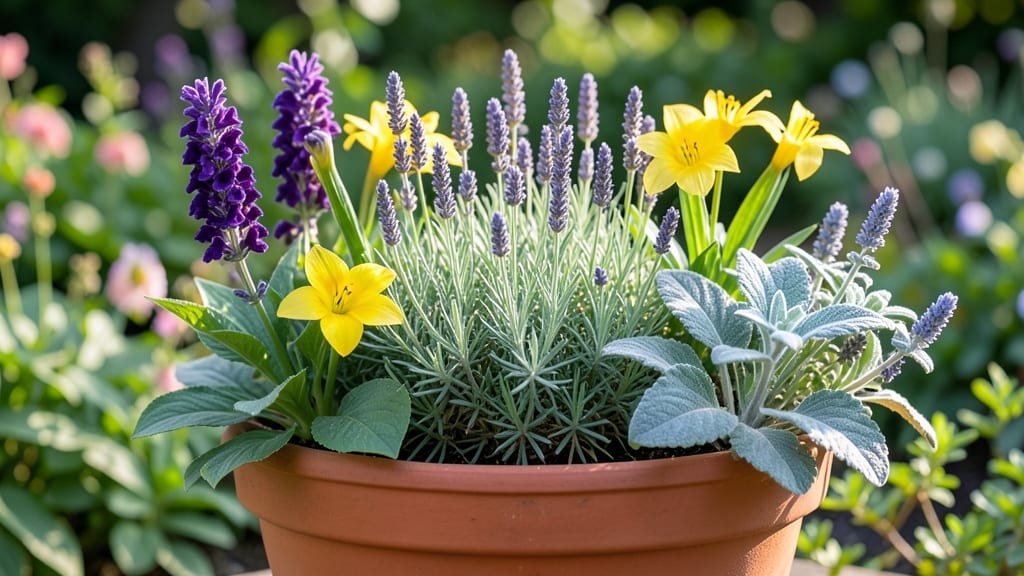
My perennial flower pot transformed my balcony from boring to breathtaking—without the annual replanting headache. 🌿 The secret lies in choosing hardy perennials like lavender, sedum, and heuchera that thrive in containers while delivering season-long color with almost no effort after the first setup.
You’ll need 10-15 gallon pots for sturdy perennials, a mix of fast-draining soil (add perlite or pumice), and a sunny spot that gets at least 6 hours of light daily.
The right combo keeps blooms going from spring through fall, with some varieties even adding winter interest through frost-kissed foliage or berries. Picture this: lavender’s silvery-blue spikes contrasting with deep purple heuchera leaves, all spilling over the edges of a tiered pot arrangement.
The best part? Once established, these plants need just weekly watering and an annual top-dressing of compost—no deadheading, no fuss. This works for any space, from urban balconies to patio corners. Let’s build a pot that keeps giving year after year!
📚 In This Guide
- What you need
- Instructions
- Tips and common mistakes
- Wrapping up and next steps
What you need
- ● Container: 1 large, durable pot (12–18 inches wide, with drainage holes) – terracotta, ceramic, or fiberglass work best.
- ○ Optional: A saucer or cache pot to catch excess water.
- ● Soil: 5–7 gallons of high-quality potting mix (look for "well-draining" or "perennial blend").
- ○ Optional: 1–2 cups of perlite or sand to improve drainage.
- ● Perennial Plants: 3–5 perennial varieties (e.g., coneflowers, black-eyed Susans, sedum, or lavender) – choose plants with similar light/water needs.
- ○ Optional: 1–2 annuals or fillers (like pansies or sweet alyssum) for extra color.
- ● Tools: 1 pair of gardening gloves (to protect your hands).
- ● 1 trowel or small shovel for planting.
- ● 1 watering can or hose with a gentle spray nozzle.
- ○ Optional: A mulch (like bark chips) to retain moisture and suppress weeds.
- ● A sunny or partially shaded spot (depending on your perennials’ needs).
- ● Access to water for regular (but not overzealous) hydration.
- ● Patience! Perennials thrive with time—minimal care means low maintenance, not no maintenance.
Step-by-step guide to creating a thriving perennial flower pot
Here's how to design a low-maintenance container that blooms season after season with the right perennials.
🪴 Step 1: Select Containers and Drainage Solutions
Choose a container with a minimum depth of 12 inches to accommodate deep-rooted perennials. I prefer ceramic or fiberglass pots because they retain moisture better than plastic and won't crack in freezing temperatures. Ensure the pot has at least three drainage holes—if not, drill additional holes yourself.
Place a 2-inch layer of gravel or broken pottery at the bottom before adding soil. This creates an air pocket that prevents root rot while allowing excess water to escape. I always cover the drainage holes with landscape fabric to keep the gravel in place without restricting water flow.
🌱 Step 2: Layer Soil and Essential Nutrients
Fill the pot halfway with a mix of high-quality potting soil and compost in a 2:1 ratio. This combination provides the right balance of drainage and nutrients for perennials. Tap the pot gently on the ground to settle the soil without compacting it—you want it fluffy enough for roots to penetrate easily.
Add a slow-release fertilizer like 10-10-10 mixed at the rate of 1 tablespoon per gallon of soil. Work it into the top 4 inches of soil. This ensures your perennials get a steady nutrient supply without the risk of burning their roots from concentrated doses.
✂️ Step 3: Choose and Plant Compatible Perennials
Select perennials with similar light and water needs for a harmonious pot. For full sun, I recommend pairing black-eyed Susans, coneflowers, and Russian sage. For partial shade, try heuchera, hostas, and coral bells. Dig holes twice as wide as the root ball but only as deep as the container's original soil line.
Place each plant gently into its hole, then fill around the roots with soil, pressing lightly to remove air pockets. Water thoroughly after planting to help the soil settle and eliminate gaps. Space plants 6-12 inches apart depending on their mature size—crowding leads to competition and weak growth.
💧 Step 4: Establish a Watering Routine
Water deeply once a week during the first growing season to encourage strong root development. Check moisture by sticking your finger 2 inches into the soil—if it feels dry, it's time to water. Avoid overhead watering, which can spread disease; instead, water at the base until it runs out the drainage holes.
After the first year, your perennials will establish deeper roots and require less frequent watering. In summer, you may need to water every 5-7 days depending on your climate. Mulch with 2-3 inches of shredded bark to retain moisture and suppress weeds—just keep it 2 inches away from plant stems to prevent rot.
☀️ Step 5: Maintain Year-Round Health
In early spring, remove dead foliage but leave last year's stems on perennials like coneflowers and black-eyed Susans—they provide winter interest and protect emerging buds. Apply a balanced fertilizer in late spring when you see new growth, using half the recommended strength to avoid overfeeding.
Monitor for pests like aphids or slugs, especially in humid climates. I treat aphids with a strong spray of water and remove slugs by hand at night when they're most active. Divide overcrowded perennials every 3-4 years in early spring to keep them vigorous—simply dig up clumps, separate the roots, and replant a portion in the same pot or share with fellow gardeners.
Tips & tricks for perfect perennial flower pots
These insider strategies will help you create a thriving perennial container that stays vibrant all year long.
Container Material Matters: Ceramic or fiberglass pots are ideal because they retain moisture better than plastic and won't crack in freezing temperatures. If you choose plastic, opt for thicker, high-quality versions that won't degrade under UV exposure. For large containers, consider adding a saucer or tray to catch excess water and prevent staining of surfaces. This is especially important when watering deeply once a week during the first growing season.
Soil Preparation Secret: When mixing your 2:1 ratio of high-quality potting soil to compost, add a handful of perlite or vermiculite to improve aeration in the root zone. This helps prevent compaction, which can suffocate roots and lead to poor growth. After mixing, tap the pot gently on the ground to settle the soil without compacting it—this creates the perfect balance for root penetration.
Plant Spacing Strategy: The 6-12 inch spacing recommendation isn't arbitrary—it accounts for mature plant sizes and prevents competition. For smaller pots, stick to the 6-inch minimum, while larger containers can accommodate the full 12-inch range. When planting, dig holes twice as wide as the root ball but only as deep as the container's original soil line—this prevents burying stems too deeply, which can cause rot.
Year-Round Care Calendar: Mark your calendar for early spring maintenance: remove dead foliage while leaving last year's stems for winter interest. In late spring, apply balanced fertilizer at half strength when you see new growth. Every 3-4 years, plan to divide overcrowded perennials in early spring to maintain vigor—this is the perfect time because plants are just waking up from dormancy and can handle the disturbance.
Pro Tips for Perennial Flower Pot
- These insider strategies will help you create a thriving perennial container that stays vibrant all year long.
- Container Material Matters: Ceramic or fiberglass pots are ideal because they retain moisture better than plastic and won't crack in freezing temperatures.
- Soil Preparation Secret: When mixing your 2:1 ratio of high-quality potting soil to compost, add a handful of perlite or vermiculite to improve aeration in the root zone.
Frequently asked questions
Got questions about keeping your perennial flower pot thriving? You’re not alone! Here are some of the most common concerns—and their simple solutions.
Can I plant perennials in any pot, or are there size/container restrictions?
Most perennials thrive in pots with at least 12–18 inches of depth and 12–18 inches of diameter per plant. Shallow pots work for small varieties like heuchera or ajuga, but deeper containers (like fabric grow bags) are better for root-heavy plants like hostas or peony. Drainage holes are a must—no exceptions!
How often should I water my perennial flower pot, especially in hot weather?
Water when the top inch of soil feels dry—usually 2–3 times per week in summer, but adjust for your climate. Mulch (2–3 inches of shredded bark or straw) helps retain moisture. Overwatering is worse than underwatering, so check soil moisture before reaching for the hose!
Will perennials in pots survive winter, or do I need to dig them up?
It depends! Hardy perennials (like coneflowers or sedum) can stay in pots if wrapped in burlap or moved to a sheltered spot. Tender varieties (e.g., canna lilies) need digging and storage in a cool, dark place. Always reduce watering in fall to prep for dormancy.
What’s the best way to refresh a perennial pot that’s looking tired?
Start with a spring or early fall refresh:
- Prune dead or leggy stems back by ⅓.
- Fertilize with a slow-release granular fertilizer (like 10-10-10).
- Top-dress with fresh potting mix to replenish nutrients.
- Rotate the pot to ensure even sunlight exposure.
Can I mix perennials with annuals in the same pot for extra color?
Yes! Pair slow-growing perennials (like salvia or coral bells) with fast-growing annuals (e.g., pansies or marigolds) for instant color. Just ensure the annuals won’t outcompete perennials for space or nutrients. Replace annuals yearly to keep the pot vibrant.
Wrapping up and next steps
Creating a perennial flower pot is your ticket to low-maintenance, high-reward gardening—imagine blooms that return year after year with almost no fuss! 🌸 Whether you’re a busy bee or a green thumb, these hardy plants bring effortless beauty to patios, balconies, or windowsills.
Start small, experiment with textures and colors, and soon you’ll have a thriving, self-sustaining garden that keeps giving.
Ready to dive in? Pick your perennials, grab a pot, and get planting! Your future self (and your neighbors) will thank you. 🌿✨