
Tools
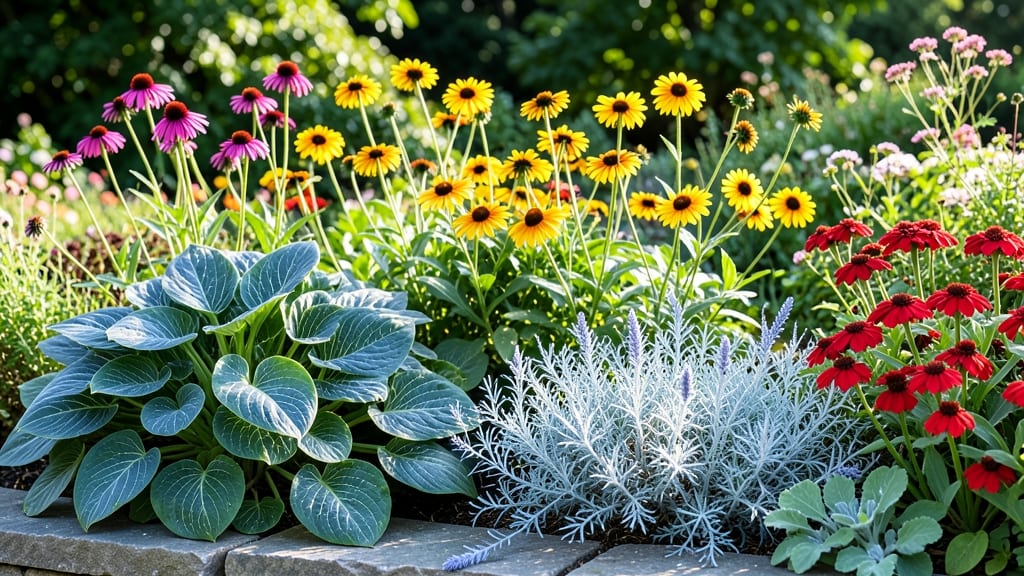
A perennial garden in Zone 5 thrives with cold-hardy plants like coneflowers, hostas, and peonies, which survive winters below 20°F. Plant in early spring or fall, avoiding late-season frost, and mulch heavily for winter protection to ensure long-term growth and minimal maintenance.
A perennial garden in Zone 5 isn't just about choosing plants that survive the cold—it's about creating a low-maintenance landscape that comes alive each season. 🌿 The key is selecting varieties that not only tolerate freezing temperatures but also thrive in your specific microclimate, whether that's a sunny border or a shady woodland edge.
For example, black-eyed Susans and Russian sage handle Zone 5's harsh winters beautifully while attracting pollinators, while heucheras add vibrant foliage without demanding constant attention.
The planting window matters too: fall planting gives roots time to establish before winter, while spring planting avoids late frosts that can damage tender new growth.
What sets Zone 5 perennials apart is their ability to bounce back year after year with minimal intervention. Unlike annuals, these plants develop deep root systems that store energy for next season's growth, making them the backbone of any easy-care garden.
The real secret weapon? Mulching—a 3-4 inch layer of shredded leaves or straw acts like a blanket, protecting roots from temperature swings and retaining moisture during dry spells. I've found that combining evergreen perennials like catmint with deciduous varieties creates year-round interest, even when some plants are dormant.
💡 In This Article
- Understanding USDA Zone 5 Climate and Plant Hardiness
- Top Perennial Plants for Zone 5 Gardens and When to Plant Them
Understanding USDA Zone 5 climate and plant hardiness
Zone 5's climate is defined by average annual minimum temperatures between -20°F and -10°F, but the real challenge comes from sudden temperature swings and late frosts that can occur well into spring.
The USDA classification accounts for these extremes by testing plants' ability to survive three consecutive days at their minimum hardiness temperature—for Zone 5, that means plants like peonies (hardy to -30°F) or hostas (hardy to -25°F) have built-in resilience.
What's fascinating is how these plants adapt: many perennials enter a state of dormancy when temperatures drop, slowing metabolic processes to conserve energy until warmer conditions return.
The timing of frost is critical—Zone 5 typically sees its last spring frost around April 15 (varies by location) and first fall frost around October 15, creating a 150-180 day growing season. This shorter window demands perennials that establish quickly and store nutrients efficiently.
For example, coneflowers develop deep taproots that reach 3-5 feet underground, allowing them to access moisture and nutrients even when surface soil freezes. Meanwhile, heucheras have shallow but extensive root systems that spread horizontally, helping them recover from winter dieback faster.
Soil temperature plays a hidden role too—roots stay active until soil drops below 35°F, which is why fall planting (after September 1) gives roots time to establish before winter.
Microclimates within Zone 5 gardens create surprising variations in plant success. A south-facing wall can add 5-10°F of warmth compared to open areas, allowing you to grow marginally hardier plants like lavender (Zone 5b) near the wall while protecting it with extra mulch in exposed spots.
Shady areas with less than 4 hours of direct sun favor moisture-loving perennials like astilbes or ferns, which would struggle in hot, dry exposures. The key is observing which areas stay warmer longer after frost—this is where your tender perennials (like Russian sage) will thrive.
Even a 6-inch difference in elevation can mean 2-3°F warmer temperatures in winter, making hilltops better for heat-loving varieties.
Soil composition dramatically affects plant hardiness. Zone 5's clay-heavy soils retain moisture but can become waterlogged in winter, while sandy soils drain too quickly. Amending with compost or aged manure improves drainage and adds organic matter that buffers temperature extremes.
For instance, black-eyed Susans perform best in well-drained soil because their roots rot if waterlogged—this is why raised beds or mounded soil work so well in heavy clay areas.
The science here involves thermal mass: darker, organic-rich soil absorbs and retains heat better than light, sandy soil, creating microclimates that protect roots during temperature fluctuations. This is why mulching with dark brown leaves (rather than straw) provides better winter insulation.
What most gardeners overlook is how plant structure affects cold survival. Woody perennials like butterfly bush have thick stems that act as insulation, while herbaceous perennials like daylilies rely on ground-level buds protected by mulch.
The rule of thumb is: the closer to the ground the crown (where stems meet roots), the better it survives winter.
For example, hostas have crowns just 1-2 inches below soil level, while peony roots sit 2-3 inches deep—both positions protect them from freeze-thaw cycles that can heave roots out of the ground.
This is why planting depth matters so much: too shallow, and roots freeze; too deep, and they suffocate.
One surprising adaptation is how some perennials supercool their cells—lowering internal temperatures below freezing without ice formation. Coneflowers and black-eyed Susans use this technique to survive -20°F without damage, while others like sedum produce natural antifreeze compounds (similar to those in cold-hardy fish!).
This biological trick explains why these plants bounce back so quickly in spring. The practical takeaway? When selecting perennials, look for those with multiple survival strategies: deep roots, supercooling ability, and protective growth habits. These are the plants that will reward you with years of effortless beauty. 💫