
Planting
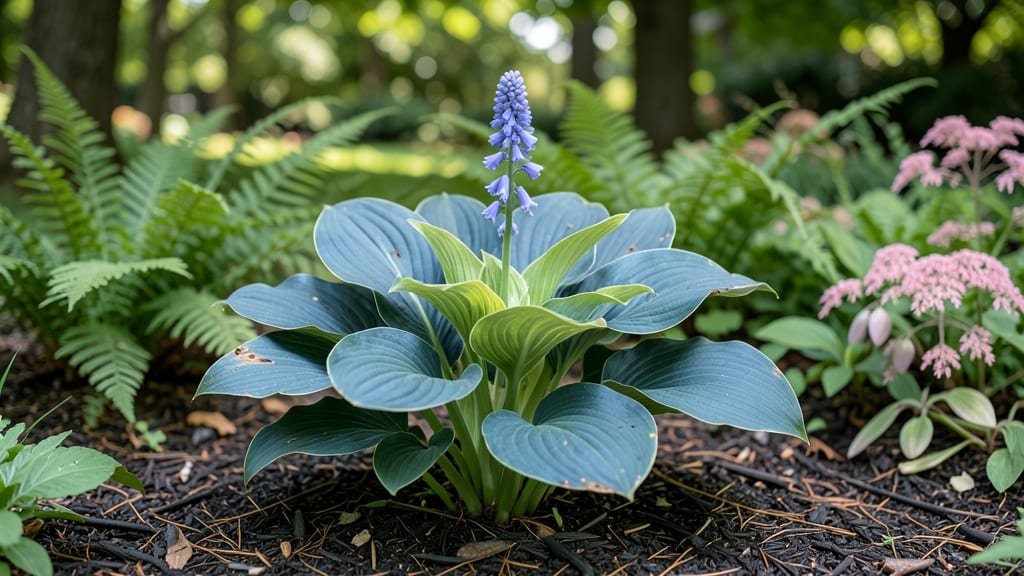
Healthy perennial leaves mean a garden that thrives year after year. 🌿 I’ve learned the hard way that vibrant foliage isn’t just about watering—it’s about understanding what your plants really need, from pruning timing to soil secrets that keep leaves lush even in winter.
The difference between thriving and struggling perennials often comes down to three key habits: pruning at the right time (never cutting back too early!), feeding with the right nutrients (compost tea works wonders), and watching for early signs of stress before they spiral.
My hostas, for example, now stay disease-free because I act at the first yellow leaf instead of waiting for brown spots.
You’ll end up with perennials that stay bold and green through heat waves and frost, producing more flowers and fewer pests along the way. The best part? Once you master these basics, your garden becomes self-sustaining—less work, more beauty, and leaves that actually look like they belong in a catalog.
Works for everything from shade-loving asters to sun-loving lavender. Here’s how to keep those leaves in top shape, no matter what Mother Nature throws your way.
📚 In This Guide
- What you need
- Instructions
- Tips and common mistakes
- Wrapping up and next steps
What you need
- ● Perennial plants: 3–5 hardy varieties (e.g., comfrey, nettle, plantain, oregano, or chives). Choose disease-resistant, fast-growing types for best results.
- ● Garden soil: 1–2 bags of nutrient-rich, well-draining soil (pH 6.0–7.0). Add compost or aged manure for extra fertility.
- ● Organic fertilizer: Balanced 10-10-10 or compost tea (1–2 applications per season). Avoid synthetic chemicals for leafy harvests.
- ● Watering can or hose: With a fine mist nozzle for gentle hydration (1–2 gallons per plant, 2–3 times weekly).
- ● Pruning shears: Sharp, clean pair (6–8 inch blades) for harvesting leaves without damaging stems.
- ○ Gloves: Heavy-duty gardening gloves (optional but recommended for plants like nettle 🌿).
- ● Mulch: Straw or wood chips (2–3 inches) to retain moisture and suppress weeds.
- ● Row covers: Lightweight fabric to protect young plants from pests or frost.
- ● pH test kit: To monitor soil acidity and adjust as needed.
- ● Harvesting basket or tray: For easy transport of fresh leaves to the kitchen.
How to harvest perennial plant leaves without harming your plants
Here’s how to keep your perennials thriving while enjoying fresh leaves year after year—no guesswork, just proven techniques.
🌿 Step 1: Identify the Right Leaves to Harvest
Focus on new growth and outer leaves first—they’re the most flavorful and least essential for the plant’s survival. Older, mature leaves closer to the center store energy for next year’s growth, so leave those alone. For example, with basil or mint, always snip from the outer stems where new leaves are emerging.
Watch for healthy, vibrant leaves with no yellowing or browning. If a leaf looks wilted or spotted, it’s past its prime and should be removed entirely (compost it). Harvesting in the morning gives you the freshest leaves, as moisture levels are highest after a night’s rest.
✂️ Step 2: Use the Right Tools and Technique
Sharp, clean scissors or pruning shears are a must—dull tools crush stems and invite disease. I like to disinfect my tools with rubbing alcohol between plants to prevent spreading anything harmful. Never pull leaves by hand; this tears stems and stresses the plant.
Cut just above a leaf node (the point where leaves or stems branch out). This encourages new growth from that spot. For example, with rosemary, snip just above a set of leaves to promote bushier growth. Avoid cutting into woody stems—this weakens the plant and can kill it over time.
💧 Step 3: Time Your Harvests for Optimal Regrowth
Harvest in the morning or late afternoon when temperatures are cooler. Avoid midday heat, which can stress plants and slow recovery. In hot climates, harvest early to prevent wilting. I’ve found that perennials like oregano and thyme bounce back fastest if you harvest them every 2-3 weeks during their peak growing season.
After harvesting, give your plants a deep watering to help them recover. You’ll see new growth within 7-10 days if conditions are right. If leaves aren’t regenerating, check for pests, overcrowding, or nutrient deficiencies—these can stunt regrowth.
☀️ Step 4: Adjust for Seasonal Growth Patterns
Perennials grow at different rates depending on the season. In spring and fall, harvest lightly—plants are still building energy reserves. Summer is prime time for aggressive harvesting, but don’t take more than one-third of the plant’s foliage at once. Winter harvesting is trickier; only take what you need, as growth slows dramatically.
Observe your plants closely. If they look stressed—yellowing leaves, slow growth, or leggy stems—scale back on harvesting. A good rule of thumb: if you can’t see new buds forming, the plant needs a break. I always stop harvesting by late summer to let perennials store energy for winter.
🌱 Step 5: Fertilize and Prune for Long-Term Health
After heavy harvesting, feed your perennials with a balanced, slow-release fertilizer to replenish nutrients. I use a 10-10-10 formula in early spring and again after summer harvests. Avoid high-nitrogen fertilizers late in the season—they encourage tender growth that won’t survive frost.
Light pruning after harvesting promotes airflow and reduces disease risk. Trim back any dead or damaged leaves, and shape the plant to encourage bushier growth. This is especially important for perennials like lavender, which can become woody and leggy if not pruned regularly.
Tips & tricks for perfect perennial plant harvesting
Here's what nobody tells you about keeping your perennials happy while you harvest.
Seasonal Strategy: In summer, harvest every 2-3 weeks during peak growth, but never take more than one-third of the plant's foliage at once. This balance is key—too much harvest stresses the plant, while too little means you miss out on flavorful growth. I've seen perennials like rosemary and thyme recover beautifully when given this breathing room, especially when paired with deep watering after each harvest.
Tool Technique: Keep a small bottle of rubbing alcohol in your gardening toolkit. After harvesting from each plant, wipe down your scissors or shears with a few drops—this prevents cross-contamination between plants. I learned this the hard way when my basil patch developed fungal spots after using the same scissors on my tomato plants without cleaning them first.
Visual Growth Cues: Look for these three signs that your plant is ready for another harvest: new buds forming at the base, vibrant green color on outer leaves, and stems that feel firm to the touch. Avoid harvesting when leaves show any yellowing or brown spots, as these indicate stress or disease. The morning after a good rain is always my favorite time to harvest—leaves are plump with moisture and full of flavor.
Recovery Ritual: After each harvest session, I make it a habit to do three things: give the plant a deep watering, remove any damaged leaves, and lightly shape the plant to encourage bushier growth. This simple routine has kept my herb garden thriving for years. For woody perennials like lavender, I'll also do a quick visual check for any stems that need pruning to prevent them from becoming too leggy.
Pro Tips for Perennial Plant Leaves
- Here's what nobody tells you about keeping your perennials happy while you harvest.
- Seasonal Strategy: In summer, harvest every 2-3 weeks during peak growth, but never take more than one-third of the plant's foliage at once.
- Tool Technique: Keep a small bottle of rubbing alcohol in your gardening toolkit.
Frequently asked questions
Got questions about keeping perennial plant leaves fresh all year?
You’re not alone! Here are answers to the most common queries—so you can harvest with confidence, whether you're a seasoned gardener or just starting out.
When is the best time to harvest perennial leaves for long-term use?
The ideal time to harvest is just before the plant flowers in late spring or early summer. This ensures the leaves are fully mature but haven’t yet started to toughen up. For tender perennials like comfrey or stinging nettle, harvest young leaves in spring for the mildest flavor and texture.
Can I harvest perennial leaves in winter, or do they die back?
Many perennials die back in winter, but some—like winter savory or rosemary—remain evergreen. For others, harvest leaves in fall before the first frost, then store them properly (drying or freezing) to enjoy their benefits year-round. Always check your plant’s hardiness zone to know what to expect!
What’s the best way to store perennial leaves for long-term use?
Drying is the most common method: bundle leaves and hang them upside down in a dark, well-ventilated space for 1–2 weeks. For freezing, chop leaves finely and store in airtight containers or ice cube trays with water/oil for easy use. Pro tip: Label your stored leaves with the harvest date to track freshness!
Why are my perennial leaves turning yellow or brown before harvest?
Yellowing leaves often signal overwatering, nutrient deficiency (like lack of nitrogen), or disease. Brown edges can mean underwatering or too much sun. Check soil moisture, adjust watering, and fertilize lightly if needed. If pests like aphids are present, use neem oil or insecticidal soap for a natural fix.
Are there perennial leaves that are easier to grow than others for beginners?
Start with hardy, low-maintenance perennials like oregano, thyme, or mint. These thrive in partial sun, require minimal water, and regrow quickly. For culinary use, chives and garlic chives are also beginner-friendly and prolific producers.
Wrapping up and next steps
Perennial plant leaves offer a sustainable, low-maintenance way to enjoy fresh greens all year long—whether you're a seasoned gardener or just starting out.
From nutrient-packed comfrey to hardy hostas, these plants prove that nature’s pantry is always stocked! 🌿 With the right selection, soil prep, and a little patience, you’ll unlock a self-replenishing harvest that reduces waste and boosts your garden’s productivity.
Ready to green up your space? Start small—pick one or two perennials to test this season, then expand as you gain confidence. Happy planting! 🌱