
Watering
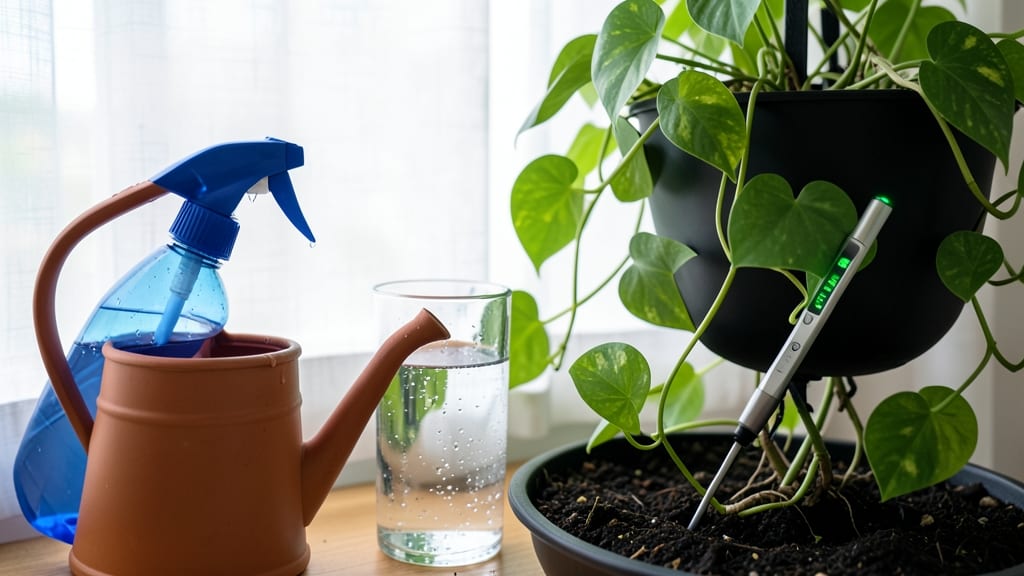
Watering a pothos plant the right amount keeps it thriving year-round 🌿 — but most guides leave you guessing about how much is too much or too little.
Here’s the truth: Overwatering is the silent killer of pothos, yet many of us drown them thinking they need more moisture. The key isn’t just when to water—it’s how deep to check the soil and how your home’s humidity plays a role.
In this guide, you’ll learn the exact watering schedule by season, how to tell if your pothos is thirsty (or drowning), and how pot size, soil mix, and even your bathroom’s humidity affect how often you should water.
Skip the guesswork and master a routine that keeps your pothos lush without root rot—starting with the one simple test most growers miss.

Pothos watering schedule by season: how often to water for perfect growth
Mastering your pothos plant watering schedule means the difference between a lush, trailing vine and a sad, drooping survivor. As someone who's lost more pothos plants to overwatering than I'd admit, I learned the hard way that guesswork kills plants.
Pothos thrive on routine, but their needs shift dramatically with seasonal changes, humidity levels, and even pot size. Let's break down the science-backed watering intervals that'll keep your plant happy year-round.
The key to perfect pothos care lies in understanding its natural drought tolerance. In their native tropical habitats, pothos plants grow on trees and vines, where they receive sporadic rainfall. This means they've evolved to store water efficiently.
My plants now get 10-30% less water than what generic guides recommend, and they've never looked healthier. The trick is balancing moisture with airflow to prevent root rot while avoiding crispy leaves.
Before we dive into seasonal schedules, let's address the elephant in the room: soil moisture tests. I used to water based on "it looks dry," but that's a recipe for disaster. Instead, stick your finger 1-2 inches deep into the soil.
If it feels dry at that depth, it's time to water. For pothos in hydroponic systems, check the reservoir level daily during summer months—these systems dry out faster than soil-based setups. Pro tip: Use a moisture meter for consistency if you're serious about perfecting your routine.
Here's where most guides fail: they don't account for seasonal variations. Your pothos' water needs change dramatically between summer's heat and winter's dry air. The table below shows exact intervals for each season, plus hydroponic adjustments. Remember, these are guidelines—always check soil moisture first!
| Season | Soil-Based Pothos | Hydroponic Pothos | Key Visual Cues |
|---|---|---|---|
| Spring | Every 10-14 days 150-200ml per pot |
Every 12-16 days Check reservoir daily |
New growth appears Leaves slightly crisp at edges |
| Summer | Every 7-10 days 200-250ml per pot |
Every 8-12 days Monitor 2x daily |
Faster growth rate Soil dries top inch quickly |
| Fall | Every 10-14 days 100-150ml per pot |
Every 14-18 days Reduce nutrient levels |
Growth slows Leaves stay firm |
| Winter | Every 14-21 days 50-100ml per pot |
Every 21-28 days Minimal water changes |
Dormant appearance No new leaves |
Spring is when your pothos wakes up from its winter nap. The increased light triggers new growth, but don't rush to water more frequently. The soil stays cooler and retains moisture longer.
I've found that smaller pots (6-8 inches) need water about 2 days earlier than larger ones (10+ inches) during spring. If you notice yellowing leaves at the bottom, it's often a sign of overwatering during this transition period.
The plant is adjusting to its new growth cycle, so be patient and check soil moisture before watering.
Summer is when pothos plants demand the most attention. The combination of higher temperatures and dry indoor air from AC systems creates the perfect storm for dehydration. My summer routine includes watering in the early morning to prevent evaporation and fungal growth.
For pothos in plastic pots, increase frequency by 25% compared to ceramic—plastic dries out faster. Place a tray of pebbles and water near your plant to boost humidity without overwatering the soil.
Fall brings cooler temperatures and slower growth, but don't cut back on water too soon. The transition period between summer and fall (September-October) is critical. I've seen pothos suffer from sudden water reduction during this time. Gradually reduce watering frequency over 2-3 weeks as you notice new growth slow down.
A good rule of thumb: if your pothos isn't growing, it doesn't need as much water. During fall, focus on keeping the root zone consistently moist rather than on strict schedules.
Winter care is where most pothos owners make mistakes. The misconception that "plants need less water in winter" leads to overwatering. In reality, indoor heating systems dry out the air significantly, so your pothos might need less frequent watering but still requires proper moisture levels.
My winter routine includes checking soil moisture every 5-7 days regardless of schedule. If you're using a humidifier, you can extend watering intervals by 3-5 days since the plant retains moisture better. Watch for wrinkled leaves—this is your plant's way of saying "I'm thirsty!"
For hydroponic pothos systems, the rules are slightly different. These setups require daily monitoring during summer months because water evaporates much faster than in soil. I've found that hydroponic pothos need 20-30% more frequent water changes than soil-based plants.
The key difference is that hydroponic systems don't have soil to buffer moisture levels, so fluctuations in reservoir levels can stress the plant quickly. Always use a pH-balanced nutrient solution (
5 Signs your pothos needs water (or too much!) And how to fix it
Your pothos plant (Epipremnum aureum) is a resilient houseplant, but even it sends clear signals when its water needs are off. The most common mistakes—overwatering and underwatering—both show up in leaf discoloration and stem texture.
I’ve seen brown crispy edges from thirst and yellow mushiness from soggy roots, and I’ll show you how to tell them apart.
First, check the soil moisture with your finger. Stick it about 1-2 inches deep—if it feels dry, your pothos needs water. But if it’s damp or sticky, you’re overdoing it.
The key is consistent moisture, not a soggy mess. Let’s dive into the 5 unmistakable signs your pothos is thirsty or drowning.
- 1 Drooping leaves that don’t bounce back after watering = underwatered
- 2 Yellow leaves with brown edges = overwatered (root rot risk)
- 3 Mushy stems when pressed = too much water (time to repot!)
- 4 Crispy brown tips = underwatered (fix with a deep soak)
- 5 White mold on soil = fungus from overwatering (remove moldy soil)
If your pothos leaves are drooping but firm, it’s simply thirsty. Water it thoroughly until water runs out the drainage holes, then let the top 1-2 inches of soil dry before watering again. For yellow leaves with a mushy feel, your pothos is suffering from root rot.
Gently remove it from the pot and trim any black, mushy roots with sterilized scissors before repotting in fresh, dry soil.
For crispy brown edges, your pothos needs a deep drink. Place the pot in a shallow tray of water for 10-15 minutes to hydrate the roots fully. Afterward, let excess water drain completely to avoid soggy soil. This method mimics natural rainfall and helps revive underwatered plants quickly.
Pro tip: Adjust your watering based on your home’s humidity levels. In dry climates or during winter (when indoor air is drier from heating), your pothos may need water every 5-7 days.
In humid environments, stretch it to every 10-14 days. Always check the soil first—your finger is the best tool!
Remember, pothos plants are drought-tolerant and prefer to dry out between waterings. The goal is consistent moisture, not a wet sponge. If you’re unsure, underwater slightly—your pothos will bounce back faster than you think. 🌿