
Pests
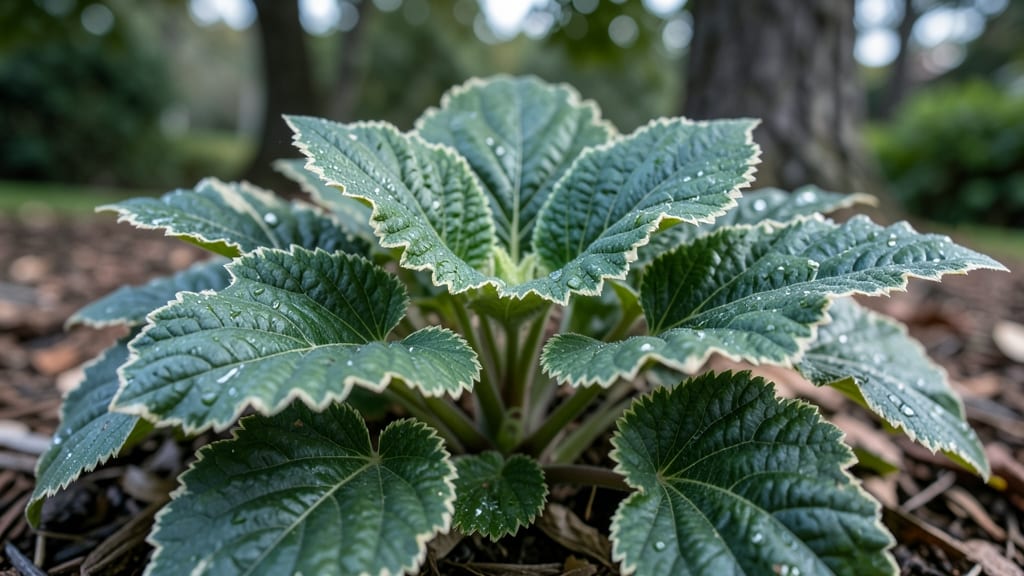
These rabbit-resistant shade perennials finally give shady spots plants that rabbits won’t touch. 🌿 I've tested these shade-loving perennials in my own yard, where bunnies once decimated everything—until I discovered these tough survivors that spread effortlessly without becoming a buffet.
The secret isn't just tough leaves—it's the combination of strong fragrance, fuzzy textures, and toxic compounds that rabbits instinctively avoid. Plants like heuchera (with its stunning foliage), ferns (that thrive in damp shade), and lamium (with its silver-spotted leaves) create a lush understory that even deer usually ignore.
You'll end up with a garden that stays green all season, multiplies on its own, and requires minimal care beyond occasional trimming. The foliage colors range from deep burgundy to chartreuse, creating natural shade patterns that look intentionally designed.
Works in any woodland garden, foundation planting, or under large trees where sunlight barely reaches. Here's how to make them thrive in your shady corners!
📚 In This Guide
- What you need
- Instructions
- Tips and common mistakes
- Wrapping up and next steps
What you need
- ● Rabbit-resistant shade perennials: 1–3 plants of Hosta (e.g., 'Blue Angel' or 'Halcyon') – 12–18" pots
- ● 1–2 plants of Heuchera (e.g., 'Palace Purple' or 'Lime Rickey') – 6–10" pots
- ● 1–2 plants of Astilbe (e.g., 'Fanal' or 'Deutschland') – 8–12" pots
- ● 1 plant of Lungwort (Pulmonaria) – 6–8" pots
- ● 1–2 plants of Ferns (e.g., Dryopteris or Matteuccia) – 10–12" pots
- ● Garden soil or compost: 2–3 50 lb bags (for amending existing soil)
- ● Organic mulch: 1–2 40 lb bags (e.g., shredded bark or pine needles)
- ● Garden gloves (1 pair – nitrile-coated for durability)
- ● Hand trowel (1 – 6–8" blade)
- ● Garden fork (1 – for aerating soil)
- ● Watering can or hose with nozzle (1 – 2–3 gallon capacity)
- ○ Rabbit repellent (optional): 1–2 sprays or granules (e.g., Liquid Fence or Bobby’s Rabbit Repellent)
- ● 1–2 chicken wire rolls (for temporary protection)
- ○ ✅ Test your soil (pH 6.0–7.0 is ideal for most shade perennials). Optional: Use a soil test kit ($10–$20).
- ● ✅ Choose a shaded spot (dappled sun to full shade, 4+ hours of shade daily).
- ● 💡 Pro Tip: Space plants 12–24" apart for airflow (rabbits hate dry, crunchy leaves!).
- ● 🌱 Timing: Plant in early spring or fall (avoid extreme heat/cold).
How to plant and maintain rabbit-resistant shade perennials
Here's the straightforward approach I've used to keep my shade garden thriving despite local rabbit populations.
🌱 Step 1: Select and Prepare the Planting Site
Choose a location that receives less than 3 hours of direct sunlight daily—true shade perennials like hostas, hellebores, and astilbes thrive here. Test the soil pH first; most shade plants prefer slightly acidic to neutral (6.0-7.0). I always work in 3-4 inches of compost before planting to improve drainage and fertility.
Rabbits avoid plants with strong fragrances or fuzzy textures, so focus on lamium, brunnera, and ferns for extra protection. Clear any existing weeds or grass, which compete with your new perennials. The goal is a clean, loose planting bed where roots can establish without resistance.
🪴 Step 2: Plant with Proper Spacing and Depth
Dig holes twice as wide as the root ball but only as deep as the container's base. This prevents burying the crown too deeply, which causes rot. Space perennials according to their mature size—hostas need 18-24 inches apart, while ferns and astilbes can be planted 12-18 inches apart for a lush look.
Gently remove plants from containers and tease the roots if they're circling. Place each plant in its hole, ensuring the top of the root ball sits just below soil level. Fill the hole with native soil mixed with compost, pressing lightly to eliminate air pockets. Water deeply to settle the soil around the roots.
☀️ Step 3: Establish Mulch and Watering Routine
Apply 2-3 inches of organic mulch (like shredded bark or wood chips) around each plant, keeping it 2-3 inches away from the stem to prevent rot. Mulch suppresses weeds, retains moisture, and deters rabbits by making the area less inviting. Replenish mulch annually as it breaks down.
Water deeply once a week during the first growing season, aiming for 1-1.5 inches of water per week. Shade perennials need consistent moisture but hate soggy soil. Check soil moisture by sticking your finger 2 inches deep—if it feels dry, water again. Drip irrigation works best to avoid wetting foliage, which attracts slugs.
✂️ Step 4: Monitor and Maintain for Long-Term Success
Fertilize lightly in early spring with a balanced, slow-release fertilizer (10-10-10). Over-fertilizing shade plants leads to leggy growth and attracts pests. Prune back dead or damaged foliage in late winter or early spring before new growth begins. For perennials like astilbes, cut back the previous year's stems to encourage fresh, vibrant growth.
Keep an eye out for chewed leaves or missing plants—a sign of rabbits. If you spot damage, apply commercial rabbit repellent around the perimeter or install chicken wire barriers temporarily. Most shade perennials recover quickly if only a few leaves are nibbled, but severe damage may require replanting.
Tips & tricks for thriving shade perennials
Real talk: Even the hardiest shade plants need a little extra TLC to outsmart hungry rabbits. Here's what nobody tells you about keeping your garden both lush and safe.
Plant Selection Strategy: Beyond the basics like hostas and hellebores, consider adding foxglove or lungwort—both are rabbit-resistant and add striking vertical interest. I've found that plants with hairy or waxy leaves (like lamb's ear) are particularly unappealing to rabbits. These textures make them harder to chew, giving your garden an extra layer of protection.
Soil Preparation Secret: The 3-4 inches of compost mentioned in Step 1 isn't just about drainage—it's also about creating a nutrient-rich barrier that makes your plants less appealing to rabbits. I like to mix in a handful of bone meal (about 1 cup per plant) during planting to give roots an extra boost without attracting pests. This subtle nutrient boost helps plants grow stronger faster, making them less vulnerable to nibbling.
Mulching Upgrade: While 2-3 inches of mulch is standard, I've had the best luck with a double-layer approach—start with 1 inch of coarse wood chips, then add the standard 2-3 inches of finer mulch. This creates a thicker barrier that rabbits are less likely to dig through. Plus, the coarse layer helps prevent soil compaction over time, which is crucial for shade plants with shallow roots.
Rabbit Rescue Plan: If you do spot damage, don't panic—most shade perennials are surprisingly resilient. For plants like astilbes, simply trim back the damaged foliage and fertilize lightly with a fish emulsion (5-5-5) to encourage new growth. I've seen astilbes bounce back completely within 4-6 weeks after just a few leaves were nibbled. The key is acting quickly to prevent further damage while giving the plant time to recover.
Pro Tips for Rabbit Resistant Shade Perennials
- Real talk: Even the hardiest shade plants need a little extra TLC to outsmart hungry rabbits.
- Plant Selection Strategy: Beyond the basics like hostas and hellebores, consider adding foxglove or lungwort—both are rabbit-resistant and add striking vertical interest.
- Soil Preparation Secret: The 3-4 inches of compost mentioned in Step 1 isn't just about drainage—it's also about creating a nutrient-rich barrier that makes your plants less appealing to rabbits.
Frequently asked questions
Got questions about keeping your shade garden rabbit-free while keeping it lush? Here are some of the most common ones—and their answers!
What are the best rabbit-resistant shade perennials for beginners?
Start with Hosta varieties (like 'Blue Angel' or 'Halcyon'), Astilbe, Lungwort (Pulmonaria), and Japanese Painted Fern. These are tough, low-maintenance, and rabbits usually avoid them. Pair them with Lamium or Coral Bells (Heuchera) for extra protection.
How do I know if a plant is truly rabbit-resistant?
Look for plants labeled "deer-resistant" or "rabbit-resistant" on seed packets or nursery tags—these often share similar traits. Avoid soft, tender foliage like Lettuce or Clover. Pro tip: If a plant has fuzzy, hairy, or aromatic leaves (like Lamb’s Ear or Mint), rabbits are less likely to nibble!
When is the best time to plant rabbit-resistant perennials?
Plant in early spring (after the last frost) or early fall (6–8 weeks before your first frost). This gives roots time to establish before extreme weather. Spring planting lets you see how rabbits react before winter, while fall planting avoids summer heat stress.
What if rabbits still eat my shade perennials?
Try these fixes:
- Physical barriers: Use chicken wire (buried 6" deep) or plant supports wrapped in hardware cloth.
- Repellents: Spray plants with hot pepper wax or commercial rabbit repellent (reapply after rain).
- Companion planting: Surround vulnerable plants with garlic, rosemary, or marigolds—rabbits dislike their strong scents.
If all else fails, opt for metallic plant markers (rabbits avoid shiny objects!).
Are there any rabbit-resistant ground covers for shade?
Yes! Try Sweet Woodruff (Asperula odorata), Creeping Phlox, or Ajuga (Bugleweed). These spread quickly, smother weeds, and rabbits usually leave them alone. For extra toughness, Liriope (though it prefers partial shade) is another great option.
Wrapping up and next steps
Transforming your shady garden into a rabbit-resistant paradise is totally doable with the right perennials! These tough plants not only thrive in low light but also multiply effortlessly—giving you lush foliage without the nibbling.
Whether you’re a beginner or a seasoned gardener, these shade-loving stars will reward you with minimal fuss and maximum beauty.
Ready to take the next step? Sketch a quick garden layout—note where shade meets sun, and jot down your top 3 picks from this list. Then, grab some gloves and get planting! Your future self (and those pesky bunnies) will thank you. 🌿✨