
Watering
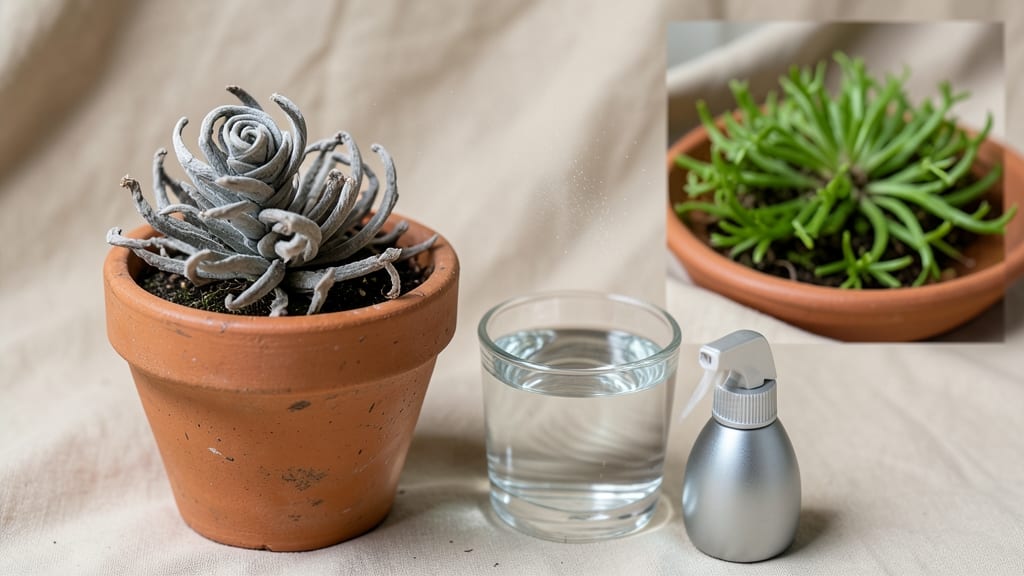
Watering a resurrection plant correctly is the secret to watching it revive from dry and stay lush for years—because unlike most plants, it thrives on drought.
Picture this: you’ve just brought home your 🌵 resurrection plant, and the care instructions say "water sparingly." But how sparingly? Too little, and it stays dormant forever. Too much, and you’ll kill it before it ever gets the chance to show off its famous comeback.
The line between "just enough" and "too much" is narrower than you’d think.
Here’s the truth: this desert survivor only needs water about once every 2–3 weeks, and even then, it’s better to soak the soil deeply than to give it a light sip. The key is letting the soil dry out completely between waterings—something most houseplants can’t handle.
I’ve seen mine wilt into a brittle husk, then unfurl like a miracle within hours of a drink.
In this guide, I’ll break down the exact watering schedule, the telltale signs your plant is thirsty (or drowning), and the 3-step revival process that turns a crispy mess back into vibrant green. No guesswork—just science-backed tips to keep your resurrection plant happy for decades.

How much water does a resurrection plant need for revival?
The resurrection plant (Selaginella lepidophylla) is a true marvel of nature—it can survive years without water and revive when hydrated. But this incredible drought tolerance doesn’t mean it’s care-free. Too much water can actually kill it, while too little may slow its revival.
The key lies in understanding its hydration cycles and recognizing when it needs a drink versus when it needs to dry out.
Unlike most plants, the resurrection plant has three distinct phases: dormancy (dry phase), revival (hydration phase), and active growth (post-revival). Each phase requires a different watering approach.
For example, during dormancy, you might go months without watering, while the revival phase demands precise hydration to avoid shocking the plant. Let’s break down the exact watering needs for each stage.
Soil moisture is the most critical factor—this plant thrives in well-draining soil that mimics its native desert environment. Overwatering leads to root rot, while underwatering during revival can prevent full recovery. The goal is to keep the soil barely moist during hydration and completely dry between waterings.
The revival phase is the most delicate. When you first hydrate a dormant resurrection plant, it needs daily watering until fully revived—usually within 3–5 days. Soak the soil until water runs out the drainage holes, then let it dry slightly before the next watering.
This mimics natural rainfall in its desert habitat and prevents fungal infections.
Seasonal changes also affect watering needs. In summer heat, reduce watering to every 3–4 weeks to prevent stress. Conversely, during spring and fall, when the plant is actively growing, water every 10–14 days.
Winter is a resting period—water only if the soil is completely dry, typically monthly or less.
Watch for signs of overwatering, like yellowing leaves or mushy stems, which indicate root rot. Underwatering during revival may cause the plant to stay shriveled or revive slowly. The key is to balance hydration with drying periods, ensuring the soil never stays soggy.
A simple finger test—inserting your finger 1 inch into the soil—will tell you if it’s time to water.
For container-grown resurrection plants, use pots with drainage holes and a cactus/succulent mix to prevent waterlogging. If you’re growing it outdoors, place it in well-draining soil with added perlite or sand. Avoid heavy clay soils, which retain too much moisture and suffocate the roots.
Pro tip: If your resurrection plant fails to revive after hydration, it might be too far gone. However, if it’s just slow, try a gentler watering approach—soak the soil for 10 minutes, then let it dry slightly before repeating.
Patience is key; some plants take up to a week to fully revive.
By mastering these watering techniques, you’ll keep your resurrection plant thriving for years—ready to burst back to life whenever you give it a drink. 🌱
Step-by-step watering guide: from dormancy to full revival
The resurrection plant (Selaginella lepidophylla) thrives on a delicate balance between drought and hydration. Unlike most plants, it actively wilts to conserve moisture—so don’t panic when it looks dried out! The key is understanding its four distinct watering phases: dormancy, wilting, revival, and active growth.
Each stage requires a different approach to avoid root rot or stunted revival. Let’s break it down step by step.
Start by gathering your tools: a spray bottle (for misting), a terracotta pot (for drainage), and a moisture meter (optional but helpful). Resurrection plants hate soggy soil, so prioritize well-draining mixes like cactus soil with perlite.
Now, let’s dive into the watering process tailored to each phase of your plant’s lifecycle.
Step-by-Step Watering Guide
-
🌵 Dormancy Phase (Dry Period)
Let the soil completely dry out between waterings. This can take 4–8 weeks depending on humidity. Use your finger to test: if the top 1–2 inches of soil feel bone-dry, it’s ready for wilting. -
💧 Wilting Phase (Rehydration Trigger)
Once fully dry, give the plant a light misting (50–100ml) until the soil is slightly moist but not soggy. Place it in a humid environment (like a clear plastic bag) to speed up revival. Avoid submerging the pot—this can drown roots. -
🌱 Revival Phase (Active Recovery)
Over the next 24–48 hours, your plant will unfurl and turn green. Keep the soil moist but not wet—water only when the top ½ inch feels dry. This phase is critical; overwatering now causes mold or root rot. -
🌿 Active Growth Phase (Maintenance)
Once revived, reduce watering to every 10–14 days. Use the soak-and-dry method: water deeply until it drains from the bottom, then let excess water evaporate. In summer heat, increase to every 7–10 days. -
⏰ Seasonal Adjustments
Spring/Fall: Bi-weekly watering.
Summer: Monthly if no rain.
Winter: Every 4–6 weeks (or less if indoors). Always check soil moisture before watering—dormancy looks like death!
Pro tip: If your resurrection plant fails to revive after watering, it might be root-bound or in poor soil. Gently repot it in fresh, gritty cactus mix and restart the cycle.
These plants are resilient, but they need your patience—especially during the revival phase. Overwatering here is the #1 killer, so when in doubt, wait longer!
Remember, the goal isn’t to keep the plant permanently green—it’s to mimic its natural desert conditions. A well-cared-for resurrection plant can live for decades with minimal water, making it the ultimate low-maintenance desert survivor.
Next time you see it wilt, think of it as preparing for revival—not a sign of failure.
🌵