
Light Requirements
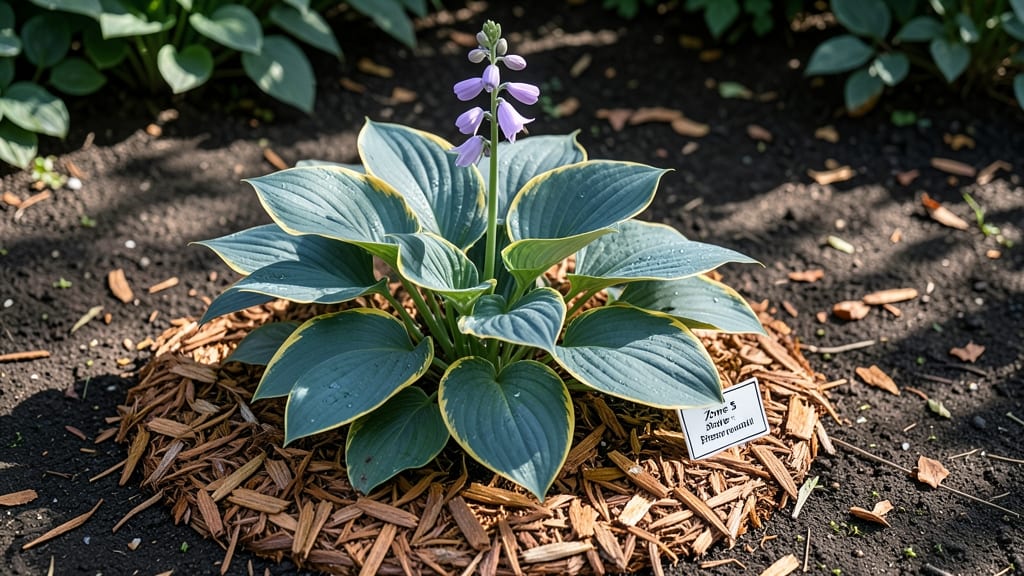
Shade perennials in Zone 5 can transform your darkest corners into lush, drought-resistant havens that thrive year after year. 🌿 I’ve spent years testing plants that refuse to give up—even when sunlight is scarce—and these are the ones that never disappoint.
They handle Zone 5’s brutal winters, spread reliably, and still look stunning when most gardens are asleep. The secret starts with soil: amend with compost to help roots reach moisture, and mulch heavily in fall to protect them from freeze-thaw cycles.
Spacing matters too—give plants room to breathe, especially those with aggressive roots like hostas or astilbes, which reward patience with bold foliage and long bloom seasons. Plant in early spring or fall when soil temps are stable, and you’ll see them establish faster.
By midsummer, your shade garden will be a textured, layered masterpiece—velvety hellebores under towering ferns, delicate lungwort spilling over stone edges, and astilbes fluffing up like cotton candy.
These plants need minimal fuss: water only when soil feels dry an inch down, fertilize lightly in spring, and prune dead foliage in late winter. They’ll reward you with decades of color with almost no effort.
Works for woodland gardens, foundation plantings, or even under trees where nothing else survives. Here’s how to pick the right mix for your space—and keep them thriving through Zone 5’s worst winters.
📚 In This Guide
- What you need
- Instructions
- Tips and common mistakes
- Wrapping up and next steps
What you need
- ● Shade-tolerant perennial plants (Zone 5 hardy): 5–10 plants of Hosta (e.g., 'Blue Angel' or 'Francee')
- ● 3–5 Astilbe (e.g., 'Fanal' or 'Deutschland')
- ● 2–3 Heuchera (e.g., 'Palace Purple' or 'Lime Rickey')
- ● 1–2 Bleeding Heart (Dicentra spectabilis)
- ● 1 Japanese Painted Fern (Athyrium) (for texture)
- ● Soil amendments: 5–10 gallons of peat moss or coconut coir (for moisture retention)
- ● 2–3 bags of compost (organic matter for fertility)
- ○ 1–2 cups of slow-release fertilizer (10-10-10) (optional but helpful)
- ● Mulch: 2–3 bags of wood chips or shredded bark (3–4 inches deep)
- ● Basic gardening tools: 1 garden trowel (for transplanting)
- ● 1 pruning shears (sterilized)
- ● 1 garden hose with spray nozzle (or watering can)
- ● 1 gloves (heavy-duty for handling soil/plants)
- ● Drought-resistant boosters: 1–2 Carex oshimensis (sedges for ground cover)
- ● 1 Lungwort (Pulmonaria) (tolerates dry spells)
- ● Soil test kit (to check pH and nutrient levels)
- ● Drip irrigation system (for efficient watering)
- ● Decorative stones or gravel (for pathways or borders)
- ● Plant labels (to track varieties)
Step-by-Step guide to planting shade perennials in Zone 5
Here’s my go-to method for creating a lush, low-maintenance shade garden that thrives year after year.
🌱 Step 1: Choose the Right Shade-Tolerant Perennials
Start with plants that thrive in Zone 5’s partial to full shade (3-6 hours of sunlight daily). My top picks are hostas (for foliage), astilbes (for feathery plumes), and heucheras (for vibrant leaves). These handle Zone 5’s cold winters and summer drought once established.
Check each plant’s mature size—crowding leads to competition for water and nutrients. For example, hostas spread aggressively, while astilbes stay compact. I like to mix 3-4 varieties per 4-foot section to create texture and color layers.
🪴 Step 2: Prepare the Soil for Moisture Retention
Shade perennials hate soggy roots but need consistent moisture. Amend your soil with 3 inches of compost and 1 inch of organic mulch (like shredded bark) to improve drainage while retaining water. Work the compost into the top 6 inches of soil—this prevents compaction and encourages root growth.
Test your soil’s moisture level: Dig a 4-inch hole, fill it with water, and wait 15 minutes. If water drains completely, your soil is ready. If it pools, add sand or perlite to improve drainage before planting.
☀️ Step 3: Plant at the Correct Depth and Spacing
Dig holes twice as wide as the root ball but no deeper—planting too deep suffocates roots. Gently loosen the roots if they’re circling and place the plant so the top of the root ball sits level with the soil surface. Fill the hole with soil, pressing lightly to remove air pockets.
Space plants according to their mature size: hostas need 2-3 feet apart, astilbes do well 18-24 inches apart, and heucheras thrive 12-18 inches apart. Overcrowding leads to weak growth and disease. Water deeply after planting to settle the soil around the roots.
💧 Step 4: Water Deeply and Mulch to Retain Moisture
Water each plant until the soil 6 inches deep is thoroughly moist. In Zone 5’s dry summers, this means 1-2 gallons per plant—enough to encourage deep root growth. Water in the early morning to reduce evaporation and fungal risks.
Apply 2-3 inches of mulch (like wood chips or straw) around the base, keeping it 2 inches away from the stem. Mulch locks in moisture and keeps roots cool. Replenish mulch annually—it breaks down and loses effectiveness over time.
✂️ Step 5: Prune and Maintain for Long-Term Health
Cut back dead or yellowed foliage in early spring before new growth appears. For astilbes, trim spent flower stalks to the ground, while hostas benefit from dividing every 3-4 years to prevent overcrowding. Heucheras rarely need pruning—just remove damaged leaves.
Fertilize lightly in early spring with a balanced, slow-release fertilizer (10-10-10). Over-fertilizing leads to lush foliage but weak flowers. Monitor for pests like slugs (common in shade gardens)—use beer traps or diatomaceous earth instead of chemical sprays to keep your garden organic.
Tips & tricks for perfect shade perennials in Zone 5
These simple strategies will help you create a thriving shade garden that survives Zone 5's challenges.
Plant Selection Strategy: When choosing your shade perennials, look for labels that specify "Zone 5 hardy" or "shade-tolerant." I always check for plants with 3-6 hours of sunlight tolerance—this matches the instructions perfectly. For example, heucheras thrive in these conditions, while hostas can handle even less light. Mixing 3-4 varieties in each 4-foot section creates visual interest while maintaining proper spacing for growth.
Soil Preparation Insight: The 3 inches of compost and 1 inch of mulch mentioned in Step 2 are non-negotiable for moisture retention. I like to add a handful of worm castings to the compost mix—it gives plants an extra nutrient boost without over-fertilizing. For clay-heavy soils, mix in sand or perlite as instructed, but only if your 15-minute drainage test shows pooling water.
Planting Depth Visual: To avoid suffocating roots, I use a simple trick: hold the plant at soil level and check that the top of the root ball aligns with the surrounding soil. A good way to test is to gently press the root ball into the hole—it should sit just below the surface, not buried. For hostas, I often plant them slightly higher than the surrounding soil to prevent rot in heavy rain.
Pro Tips for Shade Perennials Zone 5
- These simple strategies will help you create a thriving shade garden that survives Zone 5's challenges.
- Plant Selection Strategy: When choosing your shade perennials, look for labels that specify "Zone 5 hardy" or "shade-tolerant."
- Soil Preparation Insight: The 3 inches of compost and 1 inch of mulch mentioned in Step 2 are non-negotiable for moisture retention.
Frequently asked questions
Got questions about shade perennials in Zone 5?
You’re not alone! Here are some of the most common concerns—and straightforward answers—to help you create a thriving, low-maintenance garden that comes back stronger every year.
What are the toughest shade perennials for Zone 5 that actually survive drought?
Look for Hosta, Astilbe, Heuchera, and Lungwort (Pulmonaria)—they’re drought-tolerant once established. For extra resilience, pair them with Sedum or Japanese Painted Fern, which handle dry spells like pros. Pro tip: Mulch heavily (2–3 inches) to retain moisture!
When is the best time to plant shade perennials in Zone 5?
Spring (after the last frost) or early fall (4–6 weeks before the first frost) are ideal. Why? Soil is warm enough for roots to establish, but air temps are mild. Avoid summer heatwaves—plants stress easily in Zone 5’s humidity + sun combo. Bonus: Fall-planted perennials often bloom earlier the next year!
How do I protect shade perennials from Zone 5’s harsh winters?
Most shade perennials are hardy, but a 3-inch layer of mulch (straw or shredded leaves) insulates roots. For tender varieties (like Hellebores), add a light layer of evergreen boughs over the crown. Watch out: Avoid piling mulch against stems—it traps moisture and causes rot.
Can I replace dying shade perennials mid-season without ruining my garden?
Yes! If a plant is beyond saving (yellowing leaves, no new growth), dig it out and replace it with a compatible perennial (e.g., swap a struggling Ferns for Lungwort). Water thoroughly after planting, and add compost to the hole for a nutrient boost. Timing tip: Do this in early summer for roots to settle before winter.
What’s a low-maintenance alternative to fussy shade plants?
Try Ground Cover Roses (Zone 5-hardy!), Coral Bells (Heuchera), or Sweet Woodruff. These thrive in minimal sunlight, spread slowly, and suppress weeds. Game-changer: Foxglove (Digitalis) adds height with almost zero upkeep—just deadhead spent blooms!
Wrapping up and next steps
Transforming your Zone 5 shade garden into a lush, drought-resistant oasis is totally within reach! With the right perennials—like Hosta, Astilbe, or Heuchera—you’ll enjoy year-round beauty with minimal fuss.
These plants thrive in low light, conserve water, and come back stronger every season, proving that shade doesn’t mean sacrificing style.
Ready to dive in? Start by sketching your garden layout, testing your soil, and picking 2–3 perennials that match your space and care level. Your future self (and future garden visitors) will thank you! 🌿✨