
How To
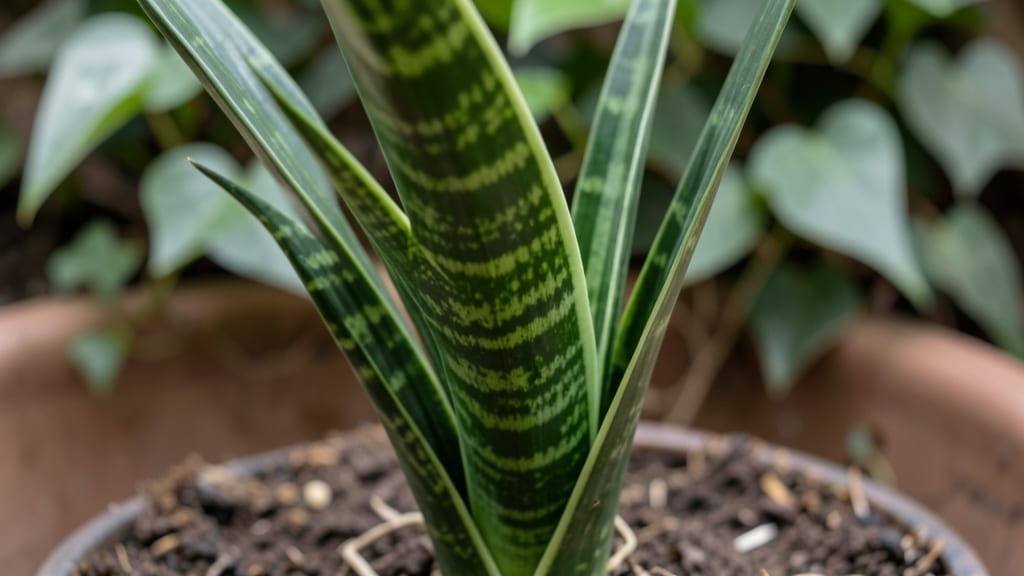
Watering a snake plant 🌱 the right way means giving it just enough to thrive without drowning its roots—typically every 2-3 weeks in most homes.
Overwatering kills more snake plants than underwatering—and most people get it wrong. That soggy soil look? It’s a death sentence for this drought-loving plant. The trick is waiting until the top 2 inches of soil feel bone-dry before watering again.
Why does this matter? Snake plants are famously low-maintenance, but their roots rot faster than you’d think if you overdo it. Even well-draining soil can’t save them from sitting in moisture for too long.
The good news? Once you master this simple rule, your plant will reward you with thicker leaves and fewer brown tips.
In this guide, I’ll break down exactly how to test soil moisture, adjust for seasons, and spot the early signs of overwatering before it’s too late. No guesswork—just a foolproof routine for a plant that’s practically indestructible.

The 2-Inch rule: how deep to water your snake plant
Mastering the watering schedule for your snake plant (Sansevieria) starts with one simple rule: the 2-inch test. This finger-test method ensures you water only when the soil is truly dry, preventing root rot while keeping leaves lush.
Unlike thirsty houseplants, snake plants store water in their thick leaves, so they thrive on infrequent deep watering rather than frequent shallow drinks.
Here’s the secret: stick your finger 2 inches deep into the soil. If it feels dry, it’s time to water. If moisture lingers, wait another week. This soil moisture zone check is your first line of defense against overwatering—the #1 killer of snake plants.
I’ve killed three myself before learning this trick, so trust me, it works!
Seasonal changes dramatically affect your snake plant’s water needs. In spring and fall, when growth is active but not extreme, water every 2-3 weeks. Summer’s heat increases evaporation, so stretch it to 3-4 weeks—your plant’s thick leaves store moisture like a succulent’s.
Winter slows everything down; reduce to every 4-6 weeks or until the soil is bone-dry 3 inches down.
Pot size matters too. A small 6-inch pot dries out faster than a large 12-inch container. If you’re unsure, err on the side of underwatering.
My snake plant in a terracotta pot needs water twice as often as the one in a ceramic cache pot—materials affect moisture retention too. Pro tip: Terracotta wicks moisture, while ceramic holds it longer.
New snake plant owners often make two critical mistakes: watering on a schedule (even if the soil’s damp) and using saucers without drainage. Always empty saucers after watering to prevent root suffocation.
I learned this the hard way when my plant’s leaves turned yellow and mushy—classic overwatering signs. Now, I use a drip tray with holes to catch excess water while keeping roots dry.
Light levels also influence water needs. A snake plant in bright indirect light (like an east-facing window) will need water less often than one in low light. In low-light conditions, growth slows, so reduce watering to every 4-5 weeks.
My Laurentii variety in the bathroom corner only gets water every 6 weeks—it’s amazing how adaptable these plants are!
For container-grown snake plants, always use a pot with drainage holes. Without them, water pools at the bottom, causing anaerobic conditions that rot roots. If your pot lacks holes, add a layer of perlite or pumice to the bottom to improve drainage.
I repotted my Futura Superba into a cache pot with holes, and its growth rate doubled within months.
One final tip: Bottom watering is your best friend for snake plants. Place the pot in a tray of water for 10-15 minutes, then remove excess. This method ensures even moisture distribution without over-saturating the topsoil.
I’ve been using this technique for years, and my plants stay healthier with fewer watering-related issues.
Remember, snake plants are drought-tolerant champions. If you’re ever unsure,
Signs your snake plant is overwatered (and how to fix it)
Your snake plant (Sansevieria) is one of the most resilient houseplants—but even it can suffer when you give it too much love (especially the water kind). Overwatering is the #1 killer of snake plants, often leading to root rot and yellowing leaves that can spread quickly if ignored.
Unlike many plants, snake plants store water in their thick leaves, so they prefer dry soil over soggy conditions. When you overwater, the roots suffocate from lack of oxygen, and the leaves start showing distress. The good news? Fixing it is easier than you think with a few simple steps.
🚨 Warning: Overwatering Red Flags
Yellowing leaves (especially at the base) are your first clue. Mushy stems or a foul smell from the soil mean root rot has set in. If the leaves feel soft or squishy instead of firm, act fast—your plant is drowning!
Start by removing the plant from its pot and inspecting the roots. Healthy roots are firm and white, while rotten roots are brown, mushy, and smell bad. Use clean sterilized scissors to trim away any black or slimy roots, then let the remaining roots air-dry for 24 hours before repotting.
After trimming, repot your snake plant in a well-draining mix (like cactus or succulent soil) with perlite or sand to improve aeration. Choose a pot with drainage holes—terracotta pots are ideal for preventing future issues. Avoid watering for at least a week to let the roots recover.
Going forward, adjust your watering schedule to match your snake plant’s needs. Stick to the 2-inch rule: Only water when the top 2 inches of soil are completely dry. In winter, reduce watering to every 4-6 weeks, as growth slows down and moisture evaporates less quickly.
Place your repotted snake plant in bright, indirect light (like an east-facing window) and avoid letting it sit in saucers of water. If you’re unsure whether to water, always err on the side of underwatering—your snake plant will thank you with glossy, upright leaves for years to come.