
Watering
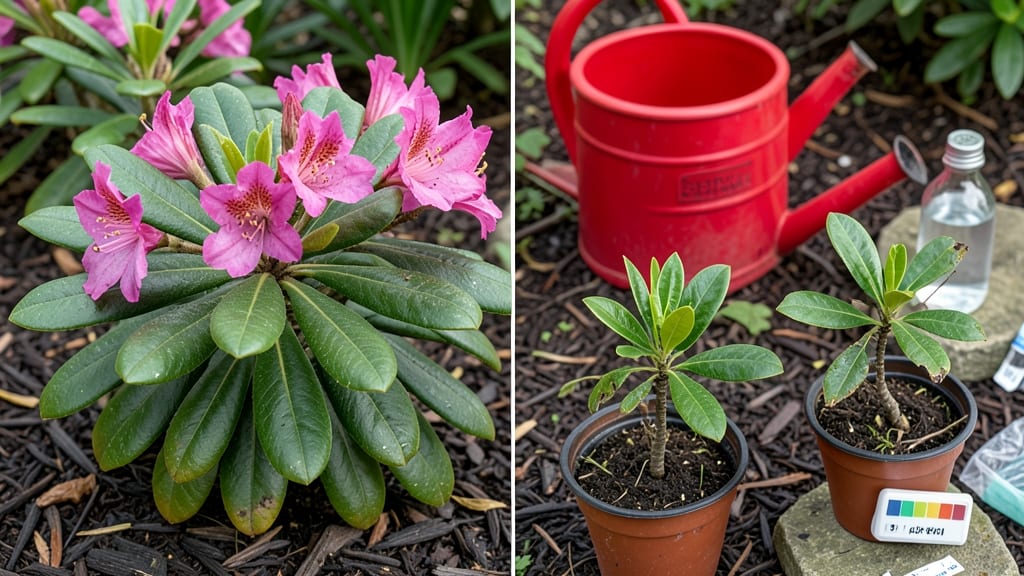
Using soft water on plants can lead to nutrient deficiencies, stunted growth, and yellowing leaves because it lacks essential minerals like calcium and magnesium. To fix this, switch to filtered or remineralized water and add plant-specific fertilizers to restore mineral balance.
Soft water might seem harmless, but its low mineral content throws off your plants' natural chemistry. Without enough calcium and magnesium, cell walls weaken, leading to those telltale brown leaf edges or slow growth. 🌱 I've seen houseplants like ferns and calatheas suffer most—they're particularly sensitive to mineral imbalances.
The fix isn't complicated: remineralize your water with Epsom salt (1 teaspoon per gallon) or use rainwater collected in clean containers. For container gardens, I recommend testing your water annually since mineral levels can fluctuate with seasonal changes.
What's interesting is how different plants react. Succulents often handle soft water better than tropical plants because they've evolved in mineral-poor soils. The key is monitoring your plants' health—if new leaves are smaller than usual or stems feel weak, it's time to adjust your watering routine.
Most gardeners don't realize their softened water is doing more harm than good until they see these subtle (but critical) signs.
💡 In This Article
- How Soft Water Affects Plant Nutrient Uptake
- Remineralizing Water for Houseplants and Gardens
How soft water affects plant nutrient uptake
Soft water lacks essential minerals like calcium and magnesium, which are vital for plant cell structure and function. Calcium acts as a structural component in cell walls, particularly in growing regions like root tips and new leaves.
When calcium levels drop below 10-20 parts per million (ppm), cell walls weaken, leading to distorted growth patterns and the classic brown edges on leaves—a condition called marginal necrosis. Magnesium, a central atom in chlorophyll, becomes scarce too, disrupting photosynthesis efficiency by up to 30% in severe cases. 🌱
The problem starts at the roots. Soft water's low mineral content causes an imbalance in the soil's cation exchange capacity, where roots struggle to absorb critical nutrients like potassium and phosphorus. This creates a domino effect: weakened roots mean reduced water uptake, which then stresses the entire plant.
I've noticed this most dramatically in calcium-loving plants like tomatoes and peppers, where blossom-end rot appears within weeks of using softened water exclusively. The science shows that calcium deficiency can reduce fruit yield by 25-40% in these crops.
What makes this tricky is that plants can't always show obvious signs of distress until the damage is done. For example, soft water can cause internal browning in lettuce leaves—visible only when you cut into them—while citrus trees may develop yellowing between leaf veins (a classic magnesium deficiency symptom).
The key is understanding your water's hardness level: 0-60 ppm is soft, and plants in this environment often need supplemental minerals through foliar sprays or soil amendments. 💧
Interestingly, some plants have adapted to low-mineral conditions. Native desert species like cacti and agave often thrive with soft water because their natural habitats have similar mineral profiles. However, most garden plants—especially vegetables and flowering species—evolved in mineral-rich soils and struggle without proper supplementation.
This is why you might see lush growth in your succulents but stunted tomatoes from the same water source.
Here's what's happening at the cellular level: Calcium ions (Ca²⁺) help stabilize cell membranes, while magnesium ions (Mg²⁺) activate enzymes crucial for energy production. Without these, cells become leaky, leading to nutrient leakage and poor growth.
The result? Plants that look healthy on the outside but are functionally compromised inside. This is why remineralization isn't just about adding minerals—it's about restoring the delicate balance plants need to thrive. 🌿
For gardeners using softened water, the fix often requires a two-pronged approach: remineralizing the water AND providing targeted nutrients. For example, adding 1 teaspoon of Epsom salt (magnesium sulfate) per gallon can quickly address magnesium deficiencies, while crushed eggshells provide a slow-release calcium source.
The key is consistency—plants need these minerals regularly, not just when problems appear.
What most people don't realize is that softened water systems actually remove beneficial minerals while adding sodium, which can further disrupt plant physiology. Sodium ions (Na⁺) compete with potassium (K⁺) for uptake sites, creating another layer of nutritional imbalance.
This is why remineralized water—water that has had calcium and magnesium restored—is often the best solution for gardeners in areas with naturally soft water. 💡