
How To
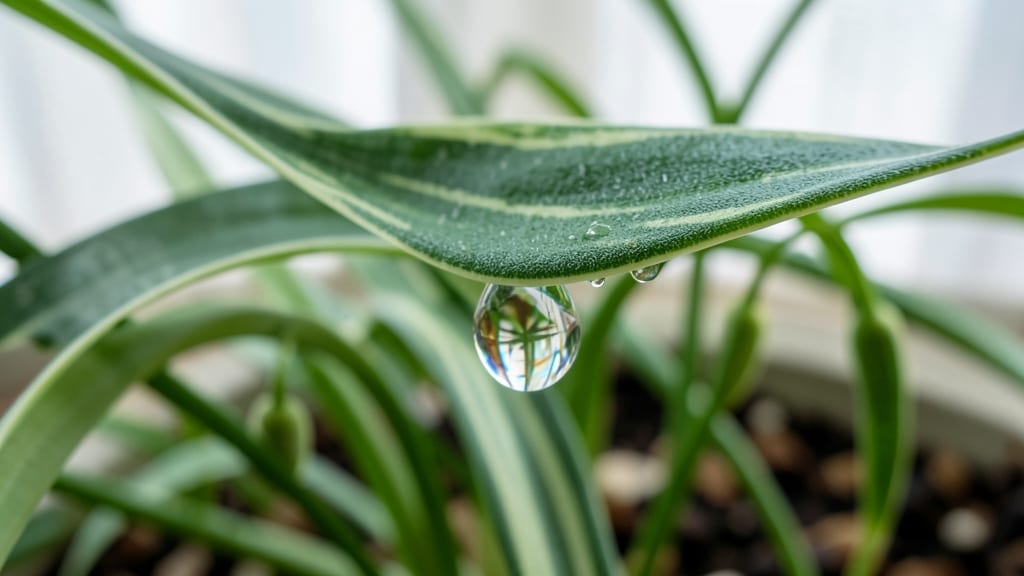
Watering a spider plant correctly keeps its leaves crisp and its roots happy—too much or too little water can turn your 🕷️ into a sad, droopy mess.
Overwatering kills more spider plants than underwatering—but most gardeners still get it wrong, leading to yellow leaves and mushy roots. Here’s the exact watering schedule your spider plant actually needs to thrive (plus how to spot the warning signs before it’s too late).
Think you’re watering just right? Think again. The key isn’t sticking to a rigid schedule—it’s checking the soil’s moisture level first. A finger-dip test (or a moisture meter) tells you whether your plant is thirsty or drowning, and seasonal changes mean summer watering looks nothing like winter care.
In this guide, I’ll break down the 1-2-3 rule for watering frequency, how to adjust for humidity, and what those brown tips really mean (spoiler: it’s not always about water). By the end, you’ll know exactly when to water—and when to leave your spider plant alone.

How often to water a spider plant: the 1-2-3 rule for healthy roots
Mastering the spider plant watering schedule starts with understanding its natural thirst cycle. Unlike drought-tolerant succulents, these plants prefer consistent moisture but despise soggy soil. The 1-2-3 Rule I’ve perfected after years of growing Chlorophytum comosum ensures your plant stays hydrated without risking root rot.
This system combines soil checks, seasonal adjustments, and visual cues—no guesswork required.
First, stick your finger 1 inch into the soil. If it feels dry at this depth, it’s time to water. This 1-inch rule prevents both overwatering and underwatering by targeting the plant’s active root zone.
For mature spider plants, this typically means watering every 7-10 days during active growth (spring/summer), but always verify with your finger test. The key is consistency—never let the soil dry out completely, but avoid keeping it perpetually wet.
Next, adjust for plant maturity. Young spider plants with smaller root systems need water more frequently—about every 5-7 days—while established plants can handle 10-14 days between waterings. The 2-week gap for mature plants in winter becomes even longer, often stretching to bi-weekly as growth slows.
Pay attention to how quickly the topsoil dries; this is your plant’s way of communicating its needs.
Here’s where most gardeners go wrong: ignoring humidity levels. Spider plants thrive in moderate humidity (40-50%), but dry indoor air (especially in winter) accelerates moisture loss. If your home feels dry, water slightly more often or mist the leaves occasionally.
Conversely, in humid summers, you may need to water less frequently—the air’s moisture helps retain soil dampness longer.
💧 Overwatering vs. Underwatering: Visual Cues
| Symptom | Overwatering | Underwatering |
|---|---|---|
| Leaf Color | Yellowing, mushy | Brown tips, crispy edges |
| Leaf Texture | Soft, squishy | Dry, brittle |
| Root Smell | Rotting, foul odor | Normal earthy scent |
| Pot Weight | Heavy, soggy | Light, dry |
| Growth Rate | Stunted, wilting | Slow, sparse spiderettes |
🌱 Pro Tip: Tap the pot gently—if it feels unusually light, it’s time to water. If it’s heavy and cool, hold off for a few more days.
The 3rd step in this rule is observing leaf health. Healthy spider plant leaves should be vibrant green with a slight plumpness. Brown tips are the most common underwatering sign, while yellowing leaves (especially near the base) scream overwatering.
If you spot brown patches, it’s often due to fluoride in tap water—switch to filtered or distilled water to prevent damage. For brown tips, trim them off with clean scissors and adjust your watering frequency.
Pot size plays a huge role in watering frequency. A small 4-inch pot dries out faster than a large 10-inch container, so plants in bigger pots need water less often. Always use pots with drainage holes—this isn’t negotiable.
If your pot lacks holes, add a layer of pebbles at the bottom to improve drainage. Over time, spider plants develop long, arching stems with spiderettes (baby plants). These new growths are a sign your plant is thriving—and they’ll drink more water as they mature.
Morning watering is non-negotiable for spider plants. Watering in the early morning (before 10 AM) allows excess moisture to evaporate during the day, reducing the risk of fungal diseases like root rot. Avoid watering at night, as damp leaves can attract pests like spider mites.
If you’re unsure whether to water, err on the side of caution—spider plants are more forgiving of underwatering than overwatering. A lightweight pot and dry topsoil are your best friends in this process.
Let’s talk soil mix—this makes all the difference. Use a well-draining potting mix blended with perlite or orchid bark (20-30%) to improve aeration. Avoid heavy garden soil, which compactes and traps moisture. If you notice water pooling on top after watering, your mix is too dense.
Repot every 2-3 years to refresh the soil, as old mix breaks down and retains too much water. A terracotta pot helps wick away excess moisture, while plastic pots keep soil damp longer—choose based on your climate.
Finally, seasonal adjustments are critical. In spring and summer, when growth is rapid, water weekly (or every 5-7 days). In fall and winter, reduce to bi-weekly as the plant enters dormancy.
If your home has forced-air heating, increase humidity by placing the pot on a pebble tray with water. For air purifying benefits, keep your spider plant in a bright, indirect spot—it’ll reward you with lush growth and vibrant spiderettes all year round.
Remember: Root health is everything. A spider plant with strong, white roots is happy, while black, mushy roots mean it’s drowning. If you’ve overwatered, repot immediately into fresh, dry soil and hold off on watering for
Spider plant watering schedule by season: adjusting for humidity and growth cycles
Your spider plant doesn’t drink the same amount year-round—its thirst changes with seasonal humidity and growth cycles. In summer, it guzzles 25% more water than winter, but most gardeners overcompensate, drowning their plants.
The key? Adjusting your routine based on temperature, light exposure, and whether your plant is actively growing or dormant.
During spring and summer, your spider plant enters its active growth phase, producing those iconic spiderettes (baby plants). This is when it needs more frequent watering—every 5-7 days—because higher humidity levels and warmth speed up moisture evaporation.
Skip the schedule, though, and you’ll end up with crispy brown tips or root rot.
Here’s the breakdown of your spider plant’s watering needs by season, including how to spot when it’s truly thirsty (or getting too much love).
Winter is when your spider plant enters dormancy, slowing its metabolism to conserve energy. This is the time to cut back drastically—watering every 10-14 days instead of weekly.
The rule of thumb? Only water when the top 3 inches of soil feel completely dry. Overwatering now leads to root rot, while underwatering causes yellowing leaves.
Pro tip: Place your spider plant near a humidifier or group it with other houseplants in winter to mimic its natural tropical habitat. This helps prevent the brown tips that plague dry indoor air.
If you notice wrinkled leaves, it’s thirsty—water immediately. If the soil smells sour, you’ve overdone it.
Adjusting your watering schedule by season keeps your spider plant lush year-round, whether it’s basking in summer sun or resting through winter. Stick to this routine, and you’ll avoid the most common mistakes—like drowning your plant in winter or letting it wilt in summer heat.