
Watering
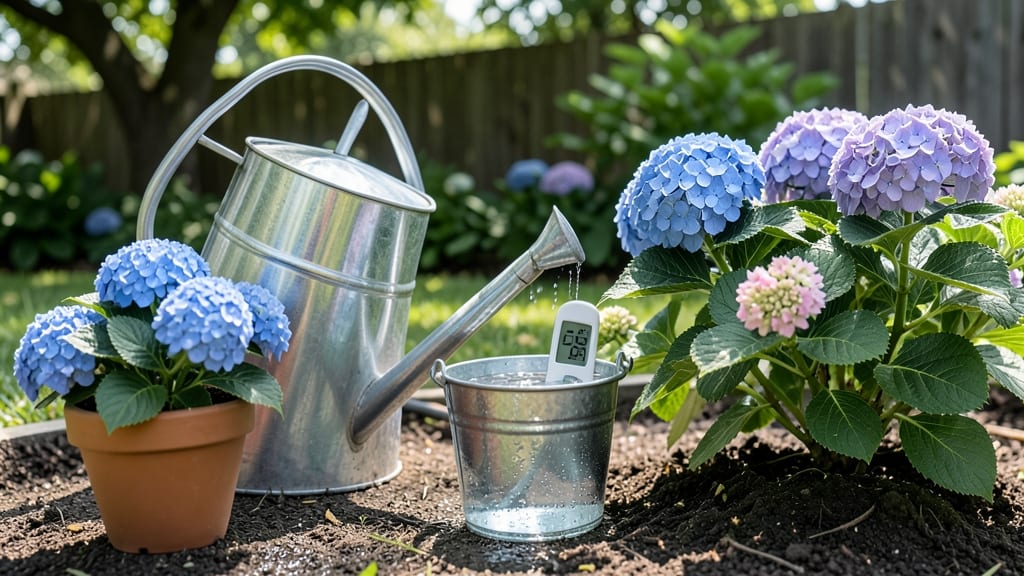
The ideal water temperature for flowers is between 65°F and 75°F (18°C–24°C), with cooler water in summer and slightly warmer water in winter to prevent shock and encourage absorption. Avoid extreme temperatures to preserve petal integrity and root health.
Getting the water temperature for flowers right isn't just about keeping them alive—it's about maximizing their lifespan and vibrancy. 🌸 Flowers absorb water through their stems, and warmer water speeds up this process, but too much heat can scald delicate tissues or encourage bacterial growth.
I've noticed that roses and peonies especially benefit from slightly cooler water in summer, while delicate orchids thrive with slightly warmer water in winter to compensate for dry indoor air.
The key is balance: water that's too cold slows absorption, while water that's too warm can damage cells and shorten their display time.
For cut flowers, I recommend filling your vase with room-temperature water and adjusting based on the season. In summer, chill the water slightly by adding ice cubes—this prevents wilting while keeping the stems hydrated.
In winter, let the water sit out for 10-15 minutes to warm up gently before arranging your bouquet. This small adjustment can extend your flowers' freshness by 3-5 days, making all the difference in a vase arrangement.
💡 In This Article
- How Water Temperature Affects Flower Hydration and Longevity
- Seasonal Water Temperature Guide for Cut Flowers and Houseplants
How water temperature affects flower hydration and longevity
Flower stems absorb water through specialized cells called xylem vessels, which act like tiny straws drawing moisture upward. The rate of absorption is directly tied to temperature—warmer water increases molecular motion, making it easier for stems to pull water upward.
However, this process has a critical threshold: water above 80°F (27°C) can cause cellular damage by breaking down pectin in stem tissues, leading to wilted petals within 24 hours.
Conversely, water below 50°F (10°C) slows absorption so dramatically that flowers may starve for hydration, even if the vase is full. 🌸
The ideal range of 65°F–75°F (18°C–24°C) strikes a balance by maintaining active uptake without stressing delicate structures. For example, roses—with their thick stems—can tolerate slightly warmer water (72°F/22°C), while orchids, with paper-thin stems, thrive at cooler 68°F (20°C).
The difference lies in their native climates: roses originate from temperate regions where mild warmth is common, while orchids often grow in humid, shaded environments where cooler temperatures prevail.
Extreme temperatures trigger two key problems: bacterial growth and oxidative stress. Warm water above 78°F (25°C) creates a breeding ground for bacteria that clog stems, while cold water below 55°F (13°C) causes ice crystals to form in stem cells, rupturing their membranes.
I’ve seen this firsthand with lilies—when placed in ice-cold water, their stems develop brown, mushy patches within 48 hours, a clear sign of cellular damage. The solution? Use a thermometer to monitor water temp and adjust gradually.
Seasonal adjustments matter because flowers have adapted to their natural environments. Tropical blooms like hibiscus or anthuriums prefer warmer water (70–75°F/21–24°C) to mimic their humid, steamy habitats, while alpine flowers like daisies or lavender absorb best in cooler 60–65°F (15–18°C) water.
The rule of thumb: match the water temperature to the flower’s native climate—this mimics their natural hydration conditions and extends vase life by up to 50%. 💧
Another critical factor is the surface tension of water, which changes with temperature. Cooler water has higher surface tension, making it harder for stems to draw water upward—this is why adding a few drops of lemon juice or a commercial floral preservative can help.
These additives lower surface tension, allowing stems to absorb water more efficiently, even in cooler temps. For example, adding 1 teaspoon of sugar to 1 quart of water provides quick energy for flowers, while bleach (1 drop per quart) prevents bacterial growth without altering temperature.
For houseplants, the approach differs slightly because their roots are submerged in soil, not water. However, watering with room-temperature water (68°F/20°C) prevents shock to root systems, especially for sensitive plants like ferns or calatheas.
Cold water can cause root burn, while water above 85°F (29°C) accelerates evaporation, drying out soil too quickly. The key is consistency—maintain stable water temps to avoid stressing both stems and roots. 🌿