
How To
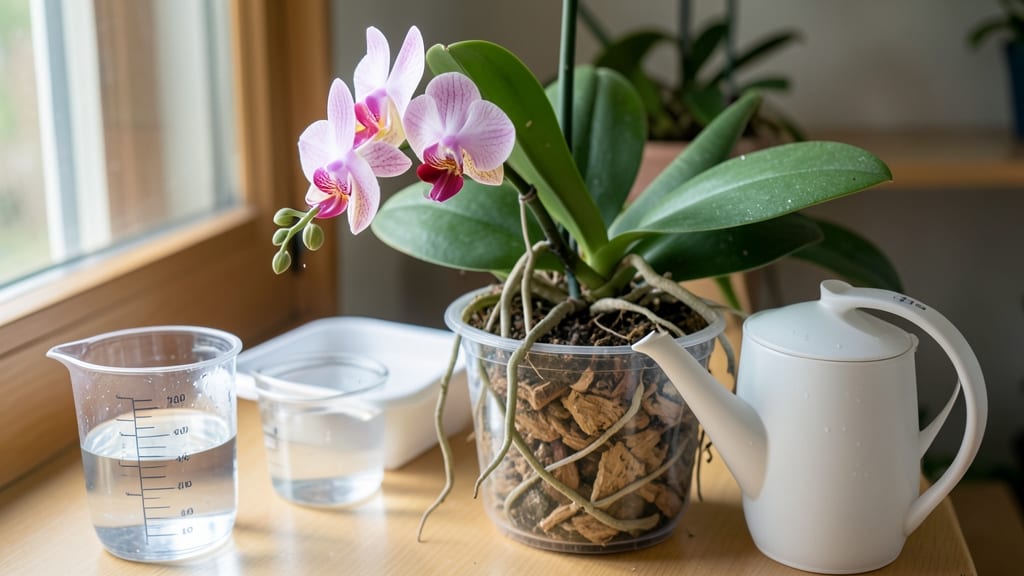
Watering orchids in summer twice a week keeps them thriving—but only if you adjust for heat, humidity, and soil type 🌸.
Orchids thrive on routine—but summer’s scorching heat and humidity can turn your watering schedule into a guessing game. Master the science behind orchid hydration to keep your plants blooming without drowning their roots.
Too much water, and you risk root rot; too little, and your orchid wilts faster than a forgotten houseplant. The key? Checking soil moisture and knowing when to water based on your orchid’s mix—whether it’s bark, moss, or coconut husk.
Below, I break down the exact schedule for summer care, plus 5 signs your orchid is thirsty (or drowning) and how to adjust when heatwaves hit.
Orchid watering frequency by soil type in summer heat
Summer turns orchid care into a balancing act—too much water and roots rot, too little and leaves wrinkle. The key lies in your orchid mix, which dictates how often you water. Bark-based mixes dry faster than moss, while coconut husks behave differently in humidity.
I’ll break down exact schedules for each, plus how to adjust when your AC struggles against 90°F heat.
Your orchid’s soil type isn’t just filler—it’s the moisture regulator. Bark mixes (like fir or pine) dry out in 5-7 days, while sphagnum moss holds moisture for 10+ days. Coconut husk chips fall somewhere in between but wick water differently.
Humidity throws another variable: in dry air, bark dries faster; in humid climates, moss stays damp longer. Let’s start with the hard data.
| Soil Type | Summer Watering Frequency | Signs of Overwatering | Signs of Underwatering | Humidity Adjustment |
|---|---|---|---|---|
| Bark Mix (Fir/Pine) | Every 5-7 days (dry air) or 7-10 days (humid) | Mushy roots, yellow leaves, foul smell | Wrinkled leaves, shriveled pseudobulbs, light pot weight | Increase frequency by 2 days if humidity < 40% |
| Sphagnum Moss | Every 7-10 days (dry air) or 10-14 days (humid) | Blackened roots, moldy mix, slimy texture | Dry, crispy leaf edges, hollow stems | Extend to 14 days if humidity > 70% |
| Coconut Husk Chips | Every 6-8 days (dry air) or 8-12 days (humid) | Soft, brown roots, waterlogged pot | Leaves curl inward, pot feels bone-dry | Reduce frequency by 1 day if humidity > 60% |
Bark mixes are the fastest-drying option, so I water mine every 5 days when my AC can’t keep up. The trick? Soak thoroughly until water runs out the drainage holes, then let excess drain completely. For sphagnum moss, I use the "finger test"—stick your index finger 1 inch deep.
If it feels dry, water; if damp, wait. Coconut husks are forgiving but need better airflow—I prop my pots on pebbles to prevent rot.
Humidity is the wildcard. In dry climates (like Arizona summers), I water bark mixes every 5 days regardless of the schedule. In humid zones (like Florida), I stretch sphagnum moss to 14 days.
Pro tip: Use a hygrometer near your orchids. Below 40% humidity? Water bark mixes daily. Above 70% humidity? Let moss stay damp longer.
Watch for root color—healthy roots are silvery-green when wet and green when dry. If they turn black or brown, you’re overwatering. Yellow leaves with mushy spots mean rot; wrinkled leaves signal thirst.
My Phalaenopsis once had crispy edges because I ignored the pot’s lightweight warning. Now I weigh it daily—if it’s too light, it’s time to water.
Adjust for heatwaves: When temps hit 90°F+, I move orchids to shaded spots and water bark mixes every 4 days. For post-bloom care, reduce frequency by 25%—new growth is more sensitive.
My Cattleya blooms in July, so I cut back to every 10 days once flowers fade. Always water in the morning to let leaves dry before nighttime humidity sets in.
Mistakes happen. Last summer, I drowned my Dendrobium by ignoring the slimy mix warning. Now I repot annually to refresh the medium. If your orchid’s leaves feel spongy, stop watering immediately and check roots.
Healthy roots should plump up when hydrated but not stay soggy. Use a sterilized knife to trim any blackened roots—this saves the plant faster than waiting.
Summer watering isn’t about rigid rules—it’s about reading your orchid. Combine the soil type schedule with humidity adjustments and root checks, and you’ll keep blooms thriving even when the thermometer spikes.
Start with these guidelines, then tweak based on your plant’s unique signals. Your orchids will thank you with longer blooms and healthier growth all season.
5 Key signs your orchid needs water (or needs to dry out)
Summer heat throws orchid watering into chaos—too much moisture causes root rot, while dehydration makes leaves wrinkle like old parchment. The key to summer success? reading your orchid’s signals instead of sticking to a rigid schedule.
Bright sunlight intensifies evaporation, so your Phalaenopsis might need water twice as often as usual, while Cattleya orchids in humid climates may prefer longer dry spells. Let’s decode the visual and tactile cues that tell you exactly when to water—or when to hold back.
Start by checking your orchid’s roots. Healthy roots should be firm and silvery-green when hydrated, but turn greenish-brown and squishy if overwatered. In summer, direct sunlight can bleach roots, making them appear lighter—so always inspect the underside of the pot where roots cluster.
A quick tactile test: lift your pot. If it feels light as a feather, your mix is bone-dry and needs water. If it’s heavy and soggy, you’ve overdone it.
- 1. Root Color: Silvery-green = thirsty; brown/mushy = rot risk. Summer sun bleaches roots—check underside of pot.
- 2. Pot Weight: Light = dry; heavy = soggy. Lift your pot to test—never guess by appearance.
- 3. Leaf Texture: Wrinkled = water me; plump = hold off. Thick leaves store moisture longer than thin ones.
- 4. Growth Spikes: New pseudobulbs or sheaths? Water lightly to encourage blooms—but avoid soggy bases.
- 5. Humidity Factor: High humidity? Water every 5–7 days. Low humidity? Every 3–5 days in summer heat.
Don’t ignore your orchid’s leaves—they’re the most obvious watering barometer. When thirsty, leaves wrinkle at the edges and feel light as paper. Press a leaf gently: if it snaps back slowly, it’s dehydrated. Overwatered leaves, meanwhile, turn yellow or translucent, especially at the tips.
Summer’s intense light can mimic dehydration, so always check the root zone first before watering. Pro tip: Mist leaves in the morning if humidity drops below 40%—but avoid soggy foliage, which breeds pests.
Watch for growth spikes too. New pseudobulbs (thickened stems) or sheaths (paper-like coverings) signal your orchid is storing moisture and may need less frequent watering. In summer, these often appear faster than usual due to heat stress—so adjust your schedule to match.
For Phalaenopsis orchids, which bloom year-round, keep the base of the pseudobulb slightly dry to prevent rot. For Cattleyas, let the pseudobulbs shrink by 20–30% before watering again.
Summer’s humidity swings complicate things. In high-humidity zones (like Florida or Southeast Asia), your orchid’s mix stays moist longer, so water every 5–7 days—even if leaves look plump. In dry climates (like Arizona or indoor AC-heavy homes), water every 3–5 days and consider a pebble tray to boost humidity.
Always water in the morning so leaves dry by night, reducing fungal risks. And here’s a secret: Bottom-watering in summer lets you control moisture precisely—just submerge the pot for 10–15 minutes and drain thoroughly.
Remember, orchids communicate through stress. Drooping leaves? Water immediately. Wrinkled roots? Soak the pot for 20 minutes. But if your orchid’s leaves turn mushy or roots smell foul, you’ve waited too long—trim the damage with sterilized scissors and repot in fresh mix.
Summer care is about flexibility: trust your observations over a calendar. With these cues, you’ll keep your orchid blooming all season without the guesswork.