
Vegetables
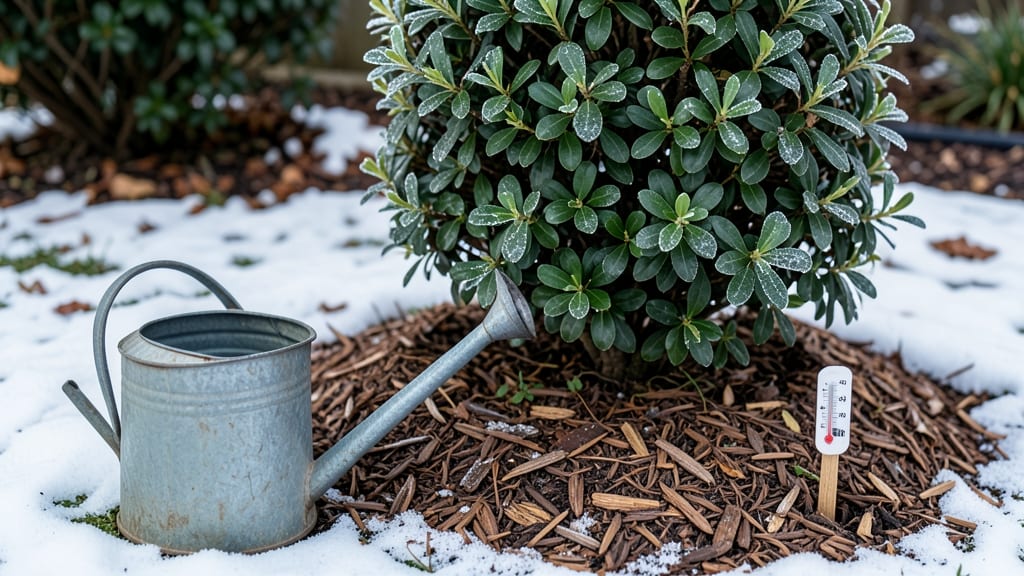
Watering plants in winter keeps roots alive when the ground is frozen 💧 — but doing it wrong can suffocate roots or waste precious moisture.
Picture this: You step outside one morning to find your favorite perennials wilting under a thin crust of ice, their roots starved for moisture. The problem isn’t just the cold—it’s the timing and method of winter watering that most gardeners get wrong.
In this guide, I’ll walk you through the science of winter moisture—when to water (hint: never at midday), how much (less than you think), and which tools (like mulch and insulated hoses) make the difference between thriving roots and frozen failures.
You’ll also learn to spot the signs of over- and under-watering in cold weather, plus plant-specific tips for evergreens that stay green year-round and deciduous plants in dormancy.


How to water plants in winter without freezing the roots
Winter watering feels like a guessing game—too much moisture risks frozen roots, while too little can stress even cold-hardy plants. The key lies in understanding soil temperature thresholds and adjusting your routine to match your plants' dormancy needs.
Unlike summer, when evaporation drives watering schedules, winter demands precision to avoid ice damage or root suffocation.
Most gardeners make the mistake of following summer watering habits, but winter's 40°F soil threshold changes everything. Below this temperature, roots struggle to absorb moisture, making timing and method critical.
I’ve learned that morning watering (before 10 AM) is non-negotiable—it allows soil to absorb water before evening freezes lock it into ice. Let’s break this down into actionable steps to keep your garden alive without killing your roots.
Use a soil thermometer to confirm temps above 40°F (4°C). Below this, roots can’t absorb water efficiently, wasting your effort.
Aim for early morning (6–9 AM) to prevent evening frost from locking moisture into ice. Avoid midday watering—it evaporates quickly and cools soil too fast.
Stick your finger 1–2 inches deep. If dry, water deeply (1–2 gallons per plant); if damp, wait. Overwatering in winter is just as deadly as underwatering.
Drip irrigation (slow, targeted) beats hand watering for large beds. For containers, use insulated hoses to prevent freezing. Avoid sprinklers—they create ice layers that suffocate roots.
Apply 3–4 inches of mulch (straw or shredded leaves) to insulate soil and retain moisture. Keep mulch 2 inches away from plant stems to prevent rot.
Evergreens (like boxwoods) need monthly watering; deciduous perennials (e.g., hostas) can go 6–8 weeks without water. Potted plants dry faster—check weekly.
If ice forms, gently brush it off foliage (never scrape stems). Ice on leaves blocks sunlight, stressing plants. Use a soft broom for delicate plants.
I once killed a blue spruce by watering at night during a -5°F snap—ice formed in the soil overnight, and the roots suffocated. Since then, I’ve sworn by the 10 AM cutoff rule.
Even evergreens, which seem indestructible, wilt when their roots freeze. The secret? Consistency—stick to your schedule, but always check soil moisture first.
For container gardens, move pots to sheltered spots before watering. Frozen soil in containers can crack pots and starve roots. If temps drop below 20°F (-7°C), wrap containers in bubble wrap or burlap to insulate the root zone.
I use old Christmas lights wrapped around large pots to add subtle warmth—it’s saved my rosemary bushes every winter.
Don’t forget about rainwater harvesting in winter. Collect melted snow in buckets and use it to water—it’s softer than tap water and won’t shock cold-sensitive plants. Just avoid watering if a hard freeze is forecasted within 24 hours. Your plants will thank you when spring arrives.
Signs you’re watering correctly in winter include firm, not soggy, soil and no wilting leaves. If you see yellowing foliage or mushy stems, you’re overwatering. Underwatering shows as brittle branches or premature bud drop. Adjust your schedule based on these cues—your garden’s health is the best indicator.
Pro tip: Keep a watering journal to track soil temps, moisture levels, and plant responses. Note which days you water and how your roses vs. lavender react. Over time, you’ll spot patterns—like how my lavender needs water every 3 weeks in January but only every 6 weeks in February.
It’s all about observation and adaptation.
Winter watering isn’t about following a rigid schedule—it’s about listening to your soil and protecting your plants from the elements. With these steps, you’ll avoid frozen roots and keep your garden thriving until spring’s first thaw. 🌱
Winter watering mistakes that kill plants (and how to avoid them)
Winter watering feels counterintuitive—after all, why water when the ground is frozen? But skipping it entirely can be just as deadly as overdoing it. Overwatering in winter creates soggy soil that suffocates roots, while underwatering forces plants to break dormancy prematurely.
Even the timing matters: watering at the wrong time can freeze foliage or wash away protective mulch.
I’ve seen evergreens turn brown from ice buildup and woody perennials heave out of the ground after freeze-thaw cycles. The key is balancing moisture with protection. Start by checking soil moisture 1-2 inches deep—if it’s dry, water lightly. If it’s damp, hold off until spring.
⚠️ callout warning ⚠️
Watering after dark or during freezing temps causes ice to form on foliage. This blocks gas exchange and can crack plant tissue. Always water before 10 AM when temps are above 40°F (4°C). For evergreens, avoid overhead watering—use a soaker hose at the base instead.
Another critical mistake? Ignoring container plants. Potted plants dry out 3x faster in winter because their roots can’t seek deeper moisture. I’ve lost herbs in pots to dehydration by December because their soil was bone-dry.
Check containers weekly and water when the top ½ inch feels dry—even if the ground outside is frozen.
Let’s talk mulch, because this is where most gardeners go wrong. A 3-inch layer of straw or shredded leaves insulates roots and retains moisture. But if you skip mulching, soil temps fluctuate wildly, causing root stress.
Apply mulch after the first frost, but leave a 2-inch gap around stems to prevent rot.
Here’s how winter watering compares to summer—notice the drastic differences for woody perennials vs. annuals:
Pro tip: Use a moisture meter to avoid guesswork. Stick it into the soil—if it reads below 30%, water lightly. And remember, snow is free moisture! Let it melt naturally into the soil instead of shoveling it away. Your plants will thank you next spring.