
Shrubs
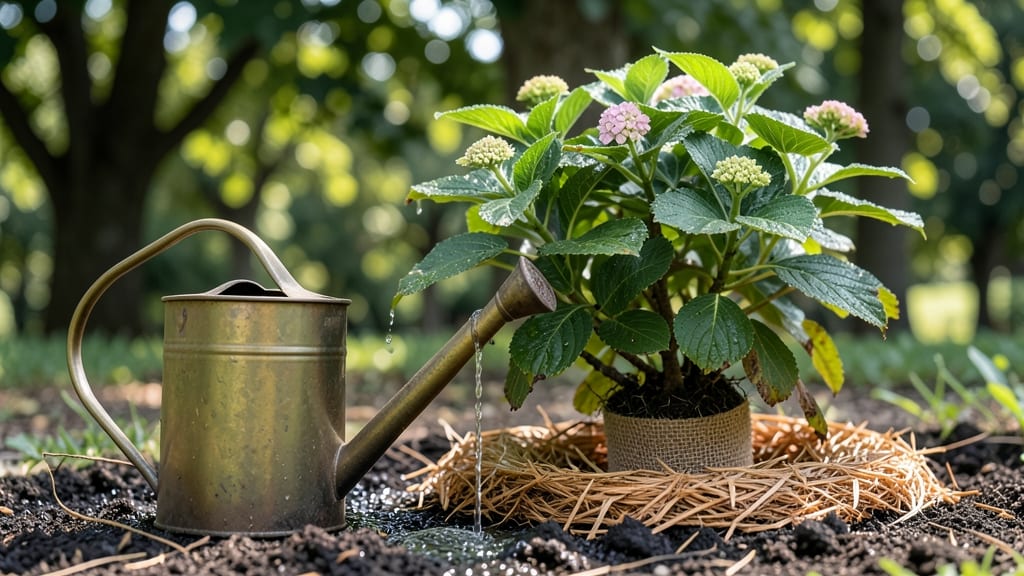
Watering new bushes correctly is the key to helping them grow strong roots and thrive in your garden.
Too little water, and they’ll struggle to establish themselves. Too much, and you risk drowning their delicate roots before they even get a chance to spread. The trick is finding that perfect balance—one that keeps the soil moist but never soggy.
In this guide, I’ll walk you through the exact depth and frequency you need, tailored to your local climate and soil type. You’ll learn how to check soil moisture, adjust for seasonal changes, and spot the warning signs of over- or underwatering before it’s too late.
Whether you’re planting in spring or dealing with a hot summer, these tips will ensure your new bushes get off to a healthy start—and stay that way for years to come.


How deep and how often to water new bushes for strong roots
When you plant new bushes, proper watering is the foundation for strong root development. Deep watering encourages roots to grow downward, while consistent moisture prevents stress. Most new bushes need water to reach 12-18 inches deep—about the length of a trowel—to establish a robust root system.
Skipping this step can leave your bushes vulnerable to drought and poor growth.
Frequency matters just as much as depth. Watering 1-2 times per week is ideal for most new bushes, but this can vary based on your climate and soil type. Sandy soil drains quickly, while clay holds moisture longer.
Adjust your schedule to keep the top 6 inches of soil consistently moist, not soggy. Overwatering can suffocate roots just as much as underwatering.
Here’s a quick reference for the ideal watering approach based on your growing conditions:
| Factor | Recommendation | Notes |
|---|---|---|
| Watering Depth | 12-18 inches | Use a trowel or probe to check moisture. |
| Frequency (Spring/Fall) | 1-2 times per week | Adjust for rain; avoid waterlogged soil. |
| Frequency (Summer) | 2-3 times per week | Heat increases evaporation; mulch helps retain moisture. |
| Best Time to Water | Early morning (6-9 AM) | Reduces fungal risks and evaporation. |
| Soil Type Adjustments |
|
Test soil moisture with your finger. |
| Signs of Proper Watering | Moist but not soggy soil | Leaves should be firm, not wilted. |
For newly planted bushes, the first watering is critical. Right after planting, give them a deep soak to settle the soil and remove air pockets around the roots. This initial watering should penetrate 12-18 inches deep, just like your regular schedule.
Think of it as a "welcome drink" to help your bushes adjust to their new home.
Different bush species have varying needs, but most thrive with consistent moisture. For example, hydrangeas love moisture and may need watering every 2-3 days in summer, while boxwoods prefer slightly drier conditions and can go 5-7 days between waterings.
Always check the soil moisture before watering—stick your finger 2 inches deep. If it feels dry, it’s time to water.
Mulching plays a huge role in water retention. Apply a 2-3 inch layer of mulch around your bushes (but keep it away from the stem to prevent rot).
Organic mulches like shredded bark or straw help retain moisture and regulate soil temperature. This means you’ll water less often while keeping roots happy and healthy.
Climate also dictates your watering schedule. In hot, dry climates, you may need to water daily, while cooler, humid regions might only require watering every 5-7 days.
Pay attention to local weather forecasts and adjust accordingly. For instance, if rain is forecasted, hold off on watering until the ground is dry again.
One of the biggest mistakes is shallow watering, which encourages roots to stay near the surface. This makes bushes more susceptible to drought and heat stress. Always water deeply to encourage roots to grow downward, where they’ll find more stable moisture and nutrients.
A simple tool like a soaker hose or drip irrigation can help deliver water directly to the root zone without wasting it on leaves.
Finally, monitor your bushes for signs of stress. Wilting leaves or yellowing foliage can indicate underwatering, while mushy stems or leaf spots may signal overwatering. Adjust your schedule based on these visual cues, and don’t hesitate to check the soil moisture if you’re unsure.
With the right depth and frequency, your new bushes will grow into strong, vibrant plants in no time.
Common watering mistakes that kill new bushes (and how to fix them)
New bushes are delicate when first planted, and even small watering mistakes can stunt their growth or worse—kill them entirely. The most critical errors revolve around overwatering, shallow watering, and inconsistent schedules.
These pitfalls disrupt root development, leading to weak stems, yellowing leaves, or even root rot. Understanding these mistakes and their fixes will help your bushes establish strong foundations for years of healthy growth.
One of the biggest culprits is overwatering, which suffocates roots by cutting off oxygen. Many gardeners assume "more water is better," but soggy soil creates the perfect environment for fungal diseases and root rot.
Another common mistake is shallow watering, where only the top inch of soil gets moistened. This encourages roots to stay near the surface, making bushes vulnerable to drought and heat stress.
Inconsistent watering schedules also wreak havoc. Some days you water deeply, other days you skip entirely, leaving roots confused and struggling to adapt. This inconsistency leads to uneven moisture levels, causing stress that weakens the plant’s immune system.
Let’s dive into these mistakes and learn how to fix them before it’s too late.
⚠️ Warning: Overwatering vs. Underwatering
Overwatering signs: Yellow leaves, mushy stems, soil that smells sour, or water pooling on the surface.
Underwatering signs: Wilting despite moist soil, dry topsoil, crispy leaf edges, or soil pulling away from the pot.
Fix it: Stick your finger 2 inches into the soil—if it’s damp, wait. If dry, water until it’s moist 12-18 inches deep.
If your bushes show signs of overwatering, like yellowing leaves or a foul odor, take immediate action. Stop watering for a few days to let the soil dry out, then adjust your schedule to water only when the top 2 inches of soil feel dry.
For shallow watering, use a long trowel or your finger to check moisture depth. Water until moisture reaches 12-18 inches deep, encouraging roots to grow downward where they’ll find stability.
To fix an inconsistent schedule, set a reminder for a specific time each week, like every Monday and Thursday morning. Use a soaker hose or drip irrigation to deliver water slowly and evenly, reducing the risk of runoff.
Mulching around the base of your bushes also helps retain moisture and regulate soil temperature, making your watering job easier.
Finally, pay attention to your local climate and adjust accordingly. In hot, dry summers, you may need to water every 2-3 days, while cooler months might only require weekly watering.
Always water in the early morning to minimize evaporation and fungal risks. With these fixes, your new bushes will thrive and reward you with lush, vibrant growth.