
Picking
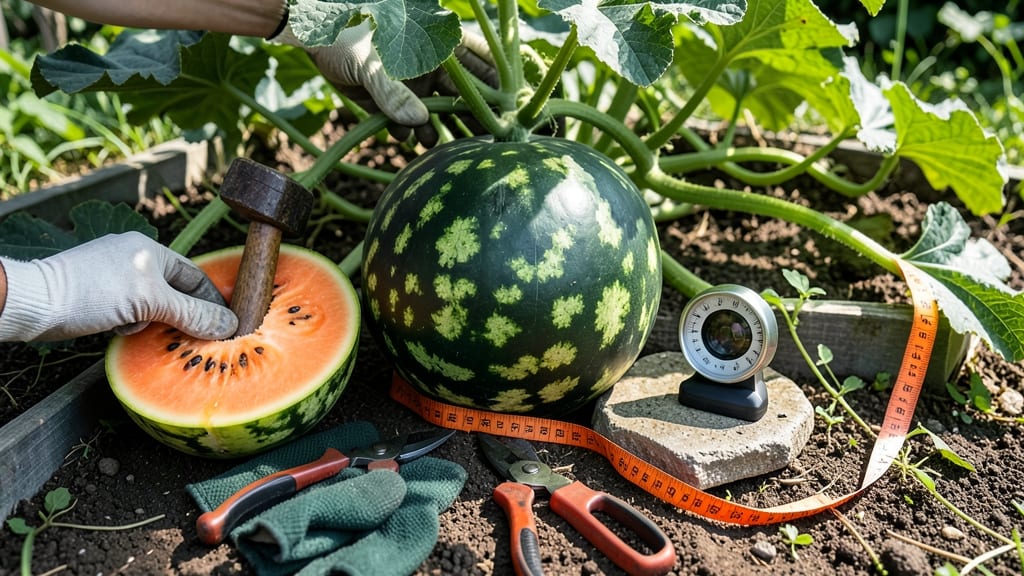
A watermelon ripe chart reveals the 5 foolproof visual cues that separate sweet, juicy fruit from sour disappointments.
Picture this: you’re at the farmers’ market, surrounded by watermelons 🍉, and every one looks the same until you know what to look for. That’s where this chart comes in—no guessing, no bitter surprises.
From the creamy yellow field spot to the telltale hollow thump, these cues work whether you’re shopping or harvesting from your own vine. I’ll walk you through each one so you can pick watermelons that taste like summer every time.
Skip the trial-and-error: by the end, you’ll spot a perfectly ripe watermelon in seconds—no knife or taste test required.

Watermelon ripe chart: 5 visual cues to identify perfect ripeness
Nothing beats sinking your teeth into a perfectly ripe watermelon—juicy, sweet, and bursting with flavor. But how do you know when that melon on the vine (or at the grocery store) is ready to harvest?
I’ve tested these 5 foolproof visual cues over years of gardening, and they never fail me. Whether you're growing your own or shopping for the best at the market, these signs will guide you to peak ripeness every time.
First, let’s address the most common mistake I see: relying on size alone. A big watermelon isn’t always ripe, and a small one can be packed with flavor. Instead, focus on these visual and tactile indicators that reveal the melon’s true sweetness.
From the color patterns on the rind to the weight in your hands, each clue works together like a puzzle to confirm ripeness.
Here’s where the magic happens: the field spot—that creamy yellow patch on the bottom of the melon. A ripe watermelon’s field spot should be dull and chalky, not shiny or white.
This spot is where the melon rested on the ground while growing, and its color change signals maturity. Pair this with the rind’s texture, which should feel firm yet slightly dull to the touch, not hard or glossy.
Now, let’s dive into the details with this comparison chart that breaks down ripe vs. unripe watermelons side by side. This visual guide will help you spot the differences instantly, even when you’re standing in front of a display with dozens of melons.
The rind’s color is your first clue. A ripe watermelon’s skin will have a dull, matte finish with a mix of creamy and yellow tones. Avoid melons with bright green or shiny spots, as these often indicate immaturity.
Pro tip: Look for stripes or patterns that are faint or fading—this is another sign of ripeness.
Next, give the watermelon a gentle squeeze. A ripe melon feels heavy for its size and has a slightly rough texture. If it feels too light, it’s likely underripe.
For a more accurate test, tap the melon with your knuckles—it should sound deep and hollow, like a drum. A high-pitched “ping” means it’s not ready yet.
Don’t overlook the stem end of the watermelon. The curly tendril near the stem should be brown and crispy, not green or flexible. This is a reliable indicator that the melon has fully matured on the vine.
Pair this with the field spot’s color, and you’ve got a winning combination for spotting the perfect melon.
One of my biggest gardening lessons came when I ignored these cues and picked a watermelon too early. It was watery, bland, and disappointing—a mistake I won’t repeat!
Now, I always check at least 3 of these visual cues before making my final decision. The more signs you confirm, the sweeter the payoff.
For home gardeners, harvesting at the right time is crucial. If you’re growing watermelons in your garden, wait until the field spot turns creamy and the rind feels firm but dull.
Then, use a sharp knife or pruners to cut the melon from the vine, leaving a small stem attached to prevent rot.
Even if you’re not growing your own, these cues work like magic at the grocery store. Next time you’re faced with a sea of green melons, trust your eyes—and these 5 visual cues—to find the juiciest, sweetest watermelon in the bunch. Happy harvesting! 🍉
How to use the watermelon ripe chart in real-life shopping scenarios
Shopping for watermelons at the grocery store or farmers' market can be overwhelming when you're relying on a watermelon ripe chart. The key is knowing where to look and how to combine multiple ripeness cues for accuracy.
At the store, focus on the field spot (the cream-colored patch where the melon rested on the ground) and the rind texture. These are often the most reliable indicators when melons are pre-packaged or displayed on shelves.
At farmers' markets, you have the advantage of seeing the entire vine and checking the tendril near the stem. A brown, crispy tendril is a clear ripeness signal that’s harder to spot in pre-cut displays.
I always tap the melon gently with my knuckles—if it sounds hollow, that’s another green light for ripeness. Combine these cues to avoid underripe or overripe fruit.
⚠️ callout warning ⚠️
Don’t assume a large, symmetrical watermelon is ripe—many stores use artificial ripening techniques to make melons look appealing. Instead, focus on the field spot color (creamy yellow) and rind firmness. A melon that’s too soft or too hard is likely past its prime.
Pro Tip: If the field spot is white or green, the melon isn’t ready. A dull, creamy patch means it’s perfect for slicing.
When using the watermelon ripe chart, start by examining the field spot. A ripe melon will have a dull, creamy color (not shiny or white). Next, press your thumbnail into the rind near the field spot—if it doesn’t puncture easily, the melon is firm and ripe.
This test is especially useful in pre-packaged displays where other cues might be hidden.
At farmers' markets, I always ask the vendor about the harvest date if the melons look borderline. Some sellers harvest early and let melons ripen off the vine, while others pick them at peak ripeness.
If the melon was recently harvested, focus on the tendril color and rind texture—these are the most reliable off-vine indicators.
Avoid these common ripeness mistakes: picking melons with green streaks on the rind, choosing overly heavy melons (which can indicate overripeness), or ignoring the hollow sound test. I’ve learned the hard way that a melon that feels too light for its size is often underripe.
Balance all cues—field spot, tendril color, rind texture, and weight—for the best results.
For extra confidence, bring a small watermelon ripe chart to the market or store. Jot down notes like "field spot: creamy," "tendril: brown," or "rind: firm" to track your findings.
Over time, you’ll train your eye to spot ripe melons faster. The more you practice, the less you’ll rely on guesswork—and the more you’ll enjoy that first juicy bite! 🍉