
Diseases
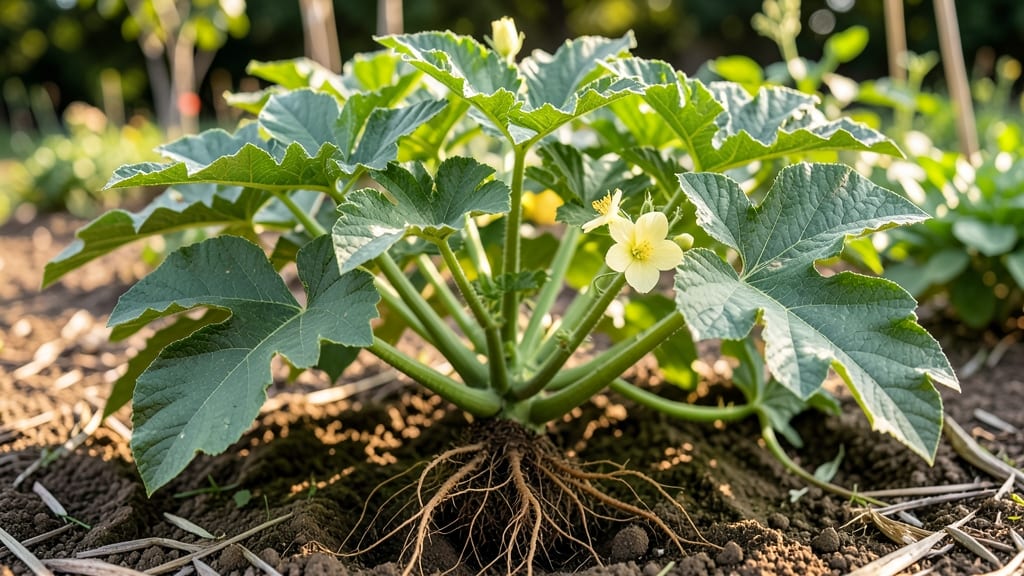
Understanding the watermelon root system is the key to growing bigger, sweeter fruit—because what happens underground directly impacts what you harvest above.
Did you know a watermelon’s root system determines 70% of its growth potential? Those sprawling roots dive deep and wide, absorbing water and nutrients that most gardeners overlook.
If you’ve ever planted watermelons only to watch them struggle despite your best efforts, the answer might lie in how—and where—those roots grow.
The average watermelon root system spreads 6 to 12 feet wide and reaches depths of 24 to 36 inches, creating a network that thrives in loose, well-draining soil.
But get the planting depth wrong, and you’ll stunt growth before the vines even take off. Learn how to set yours up for success from day one.
In this guide, I’ll break down the anatomy of a watermelon’s roots—taproots, fibrous roots, and the critical zones where they absorb the most nutrients. You’ll discover soil prep tricks, watering hacks, and how to avoid common mistakes that leave roots stressed and harvests small.
Ready to grow watermelons like a pro?
How the watermelon root system works: depth, spread, and critical zones
When planting watermelons, what happens below the soil surface is just as important as what you see above. The watermelon root system is a complex network designed to efficiently gather water and nutrients from deep underground.
Unlike shallow-rooted plants, watermelons develop a robust system that can reach 24-36 inches deep and spread 6-12 feet wide, depending on variety and growing conditions.
This extensive root structure isn't just for show—it's the foundation for your harvest. The deeper roots access moisture during dry spells, while the widespread secondary roots create a vast nutrient-gathering zone. Understanding these patterns helps you plant correctly, water wisely, and avoid common mistakes that stunt growth.
| Root Type | Depth Range | Spread Range | Primary Function | Critical Zone |
|---|---|---|---|---|
| Primary Taproot | 12-18 inches | 1-2 feet | Anchors plant, accesses deep water | 0-6 inches (planting depth) |
| Secondary Fibrous Roots | 6-12 inches | 6-12 feet | Nutrient absorption, soil stabilization | Top 4-6 inches (mulch zone) |
| Deep Lateral Roots | 24-36 inches | 4-8 feet | Moisture extraction, drought resistance | 12-24 inches (subsoil layer) |
| Fine Root Hairs | 0-6 inches | Entire spread | Maximizes water/nutrient uptake | Top 2-3 inches (soil interface) |
The primary taproot establishes first, growing downward to anchor the plant and access deep moisture reserves. This root can penetrate 12-18 inches within the first few weeks, making it crucial to plant seeds at a 1-inch depth—any deeper and germination suffers from lack of oxygen.
Surrounding the taproot are secondary fibrous roots that spread horizontally, creating a dense network up to 12 feet wide. These roots thrive in the top 6 inches of soil, where most nutrients and microorganisms reside.
This is why loose, well-amended soil is essential—compacted earth restricts their growth and reduces your watermelon's ability to absorb vital minerals.
For maximum yield, focus on maintaining the critical root zones. The top 4-6 inches should stay consistently moist but not waterlogged, while the 12-24 inch depth benefits from occasional deep watering to encourage deeper root penetration.
A simple test: stick your finger 6 inches deep—if it feels dry, it's time to water.
One common mistake is planting too shallow, which exposes roots to temperature swings and drought. Always bury seeds 1 inch deep and space plants 3-6 feet apart to accommodate their sprawling root systems. This spacing also improves airflow, reducing fungal risks that target stressed roots.
Did you know that watermelon roots are sensitive to soil temperature? They struggle to grow when soil temps drop below 60°F (15°C), which is why waiting until after the last frost—and using black plastic mulch—can accelerate root development by 2-3 weeks.
This early start gives your plants a competitive edge in the growing season.
To visualize the root system's reach, imagine a 6-foot diameter circle around each plant where roots actively search for nutrients. This is why companion planting with legumes like beans works so well—their nitrogen-fixing roots benefit the watermelon's extensive network without competing for space.
When troubleshooting poor growth, examine the root zones first. Yellowing leaves often signal nutrient deficiencies in the topsoil, while wilting during heatwaves points to inadequate deep-water access. Adjust your care by adding compost to the top 6 inches for fibrous roots and deep-watering to encourage lateral growth.
5 Underground growth secrets to maximize watermelon yield
Your watermelon plants might look healthy above ground, but their true potential lies underground. A strong watermelon root system absorbs 90% of nutrients and regulates moisture—yet most gardeners overlook these hidden growth drivers. By focusing on root health, you can boost yields by 30-50% without extra fertilizer or water.
The key? Healthy roots thrive in loose, well-aerated soil with proper moisture and protection from damage. Unlike shallow-rooted plants, watermelons develop deep taproots (24-36 inches) and extensive lateral roots (6-12 feet).
These roots need space to explore, but compacted soil or poor drainage can strangle their growth before your plant even flowers.
-
1. Aerate Soil Before Planting
Use a broadfork to loosen 12 inches deep—watermelon roots need oxygen-rich soil to thrive. Compacted soil reduces root spread by 40%, limiting nutrient access. -
2. Plant with Radishes as Root Pioners
Sow radish seeds 2 weeks before watermelons—their fast-growing roots break up hardpan, creating channels for deeper watermelon roots to follow. -
3. Mulch with Straw (Not Plastic)
Apply 3-4 inches of straw mulch to keep soil cool and moist, preventing root stress. Straw also blocks weeds that compete for nutrients underground. -
4. Avoid Overwatering at Base
Water 2-3 feet away from the vine to encourage roots to spread horizontally. Soggy soil near the stem causes root rot and fungal infections. -
5. Use Drip Irrigation (Never Overhead)
Drip lines 12 inches deep deliver water directly to root zones, preventing surface evaporation and root suffocation from waterlogging.
One common mistake I see is over-tilling the soil after planting—this severs young roots and disrupts their growth patterns. Instead, focus on mulching and aeration to create an ideal underground environment. Even a slight improvement in soil structure can lead to larger, sweeter watermelons by harvest time.
For companion planting, pair watermelons with marigolds or nasturtiums—their roots release natural fungicides that protect against root rot. Avoid planting near potatoes or squash, as they compete for the same nutrients and attract similar pests.
Remember: Root health = Fruit quality. By prioritizing underground care, you’ll see stronger vines, bigger fruits, and a harvest that rivals commercial yields—all from your backyard. Start with these 5 secrets, and watch your watermelon roots work their magic below the soil line! 🌱