
Planting
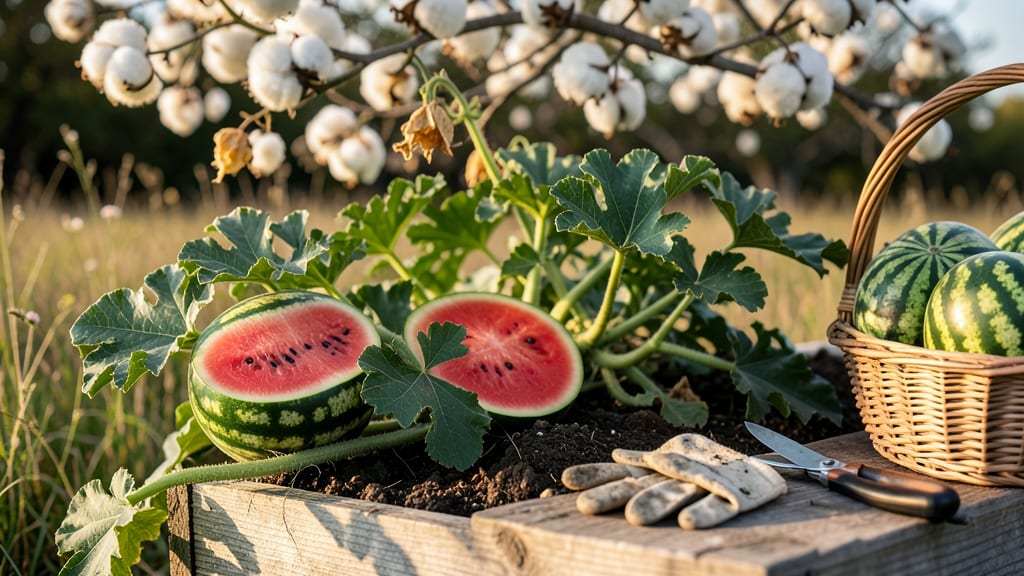
The season for Texas watermelons thrives when planted at the right time in spring, with the sweetest harvests coming from vines started between February and April depending on your zone.
Texas gardeners know the thrill of biting into a sun-ripened watermelon 🍉 straight from the vine—but timing is everything. Plant too early or late, and you’ll miss the sweetest harvests of the season.
From North Texas’s cooler March start to South Texas’s early February kickoff, each region has its own window to get seeds in the ground before the heat sets in. The key? Soil temps above 70°F and a little black plastic mulch to speed things along.
Below, I’ll break down the exact planting dates by zone, the best varieties for your area, and how to keep pests and heat from stealing your harvest before it ripens.
Best Texas watermelon planting dates by hardiness zone (sweetest varieties)
Texas gardeners know the thrill of biting into a sun-ripened watermelon straight from the vine—but timing is everything. Plant too early or late, and you’ll miss the sweetest harvests of the season.
The key lies in understanding your USDA hardiness zone, soil temperatures, and the best watermelon varieties for your region.
From the cooler Zone 7a in the Panhandle to the balmy Zone 11 along the Gulf Coast, each area has its own ideal planting window. Watermelons thrive in warm soil, so waiting until the ground reaches 70°F (21°C) is critical for germination.
Let’s break down the perfect planting dates for your zone.
🌱 Pro Tip: Use black plastic mulch to warm soil faster in cooler zones. This trick can shave weeks off your planting timeline!
For Zone 7a gardeners, patience is key—wait until mid-April to avoid frost damage. The Crimson Sweet variety thrives here, delivering sweet, red-fleshed melons perfect for summer feasts. Plant seeds ½ inch deep and space vines 3-4 feet apart to allow room for sprawling growth.
In Zones 8a-9b, you can start earlier, but soil temperature is non-negotiable. Use a soil thermometer to confirm 70°F+ before planting. Charleston Gray is a standout here, offering thick rinds and juicy, seedless flesh. Transplant seedlings after the last frost, typically by April 15 in North Texas.
Gardeners in Zones 10a-11 enjoy the longest growing season, but summer heat can stress plants. Opt for heat-tolerant varieties like Jubilee or Calhoun Gray. Plant in January for early harvests, or try a fall planting in September for late-season melons before the first frost.
Regardless of zone, direct sowing is best—watermelons hate transplant shock. If starting indoors, move seedlings outdoors only after soil warms. Use drip irrigation to keep foliage dry and prevent fungal diseases like powdery mildew, a common issue in Texas’ humid summers.
💧 Watering Wisdom: Deep water at the base of plants in the morning to encourage strong root growth and reduce disease risk.
For maximum yield, fertilize lightly at planting with compost or balanced 10-10-10 fertilizer. Avoid over-fertilizing with nitrogen—it promotes leafy growth at the expense of fruit. Once vines start running, switch to a low-nitrogen, high-phosphorus fertilizer to boost flowering and fruiting.
Harvest time varies by variety, but most Texas watermelons are ready
How to extend Texas watermelon season: fall planting for late harvests
Summer’s scorching heat can stress watermelons, but fall planting in Texas zones 8-11 lets you harvest juicy fruit well into October or November. The key? Choosing heat-tolerant varieties like Black Diamond and adjusting your growing strategy to avoid blossom drop and pest pressure.
With the right timing and care, you can enjoy homegrown watermelons long after traditional summer harvests end.
Fall planting works because Texas’s long growing season (up to 270 frost-free days in South Texas) gives watermelons time to mature before cooler weather sets in. Start by selecting shorter-season varieties that thrive in 75-85°F soil temps—ideal for late summer/early fall.
Avoid varieties like Crimson Sweet, which need longer heat exposure, and opt instead for Black Diamond or Sugar Baby, which mature in 70-75 days.
- 📅 Choose the Right Variety: Pick heat-tolerant, shorter-season types like Black Diamond (75 days) or Crimson Sweet (80 days). Avoid long-season varieties prone to heat stress.
- 🌱 Prep Soil for Fall: Test soil pH (6.0-6.8) and amend with compost to improve drainage. Fall soil is often cooler, so add black plastic mulch to warm roots.
- ⏰ Time Planting Perfectly: Sow seeds 6-8 weeks before first frost (late July-August in North Texas, August-September in South Texas). Use a seedling heat mat if soil temps drop below 70°F.
- 💧 Adjust Watering: Water deeply every 2-3 days but reduce frequency as temps drop. Avoid overhead watering to prevent fungal diseases like powdery mildew.
- 🛡️ Manage Fall Pests: Watch for cucumber beetles and aphids. Use neem oil or row covers early in the season to protect young plants.
- 🍉 Harvest Before Frost: Pick watermelons when the stem turns brown and the bottom yellows. Aim to harvest 2-3 weeks before first frost to enjoy peak sweetness.
One of the biggest challenges with fall watermelons is soil temperature. Unlike spring planting, fall soil cools quickly, slowing germination. To combat this, use black plastic mulch or row covers to maintain 70°F+ soil temps.
You can also start seeds indoors in biodegradable pots 2-3 weeks before transplanting outdoors. This gives seedlings a head start in cooler conditions.
Pest management shifts in fall, too. Cucumber beetles and squash bugs are still active, but aphids and whiteflies become more problematic as temperatures drop. Monitor plants weekly and treat infestations early with insecticidal soap or beneficial nematodes. Companion planting with marigolds or basil can also deter pests naturally.
Don’t forget to prune excess vines as your watermelons mature. Focus energy on 2-3 main vines per plant to ensure larger, sweeter fruit. Thin fruits early—keep only 1-2 watermelons per vinesweeter, more concentrated flavors.
With these adjustments, you can enjoy homegrown watermelons well into fall, beating the summer heat and extending your harvest season. Try it this year—your taste buds (and neighbors) will thank you! 🍉