
Plants
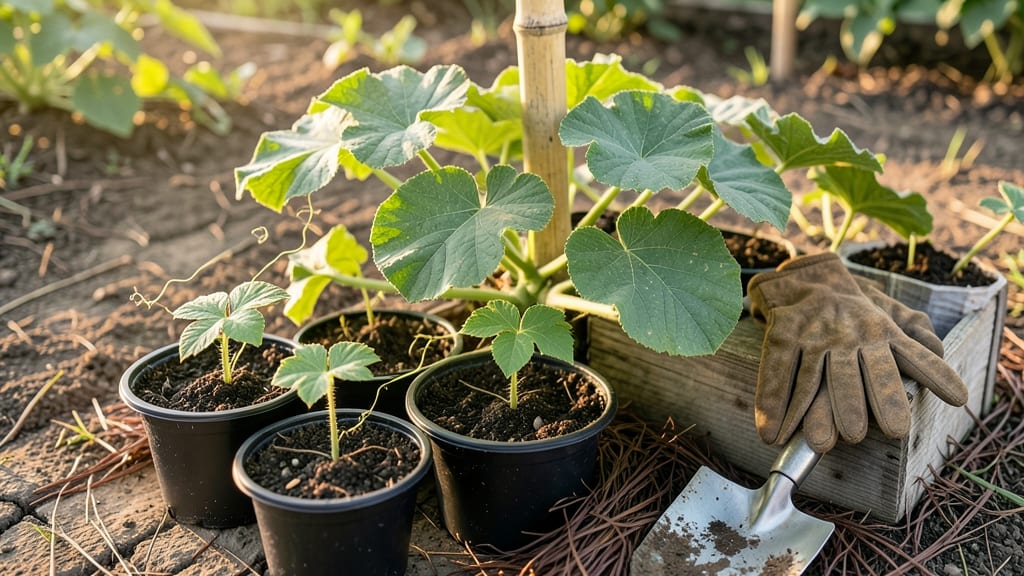
Planting watermelon in Ohio after your last frost date — typically mid-April to mid-May — is the key to avoiding frost damage and ensuring a bountiful harvest 🍉.
Ohio’s unpredictable spring weather can make watermelon planting a gamble—get the timing wrong, and your vines may wilt before bearing fruit. But with the right frost-free date strategy, you can maximize your harvest in zones 5-7.
Most Ohio gardeners wait until soil temperatures hit at least 70°F before sowing seeds directly outdoors, which usually aligns with late April to early May. Starting seeds indoors 4-6 weeks before your last frost can give you a head start, but transplanting too early risks stunted growth.
Below, I’ll break down the exact planting windows by USDA zone, soil prep tips to speed up warming, and how to stretch Ohio’s short growing season for bigger, sweeter melons.
Ohio watermelon planting dates by USDA hardiness zone (5-7)
Timing your watermelon planting in Ohio is all about balancing last frost dates with soil warmth. In USDA zones 5-7, your window is tight—plant too early, and frost will kill tender seedlings; too late, and your 70-90 day varieties won’t mature before fall.
I’ve grown watermelons in zone 6a for years, and the difference between a bountiful harvest and a failed crop often comes down to these zone-specific guidelines.
Ohio’s frost-free dates vary dramatically from the southern border (zone 7a) to the northern tier (zone 5a). For example, in zone 5a, you might not see your last frost until May 15, while zone 7a gardeners can often plant by April 15.
But don’t let those dates fool you—soil temperature is just as critical as air temperature. Watermelons won’t germinate until the soil reaches 70°F (21°C), and even then, cool nights can stunt growth.
Here’s the key tradeoff: Early planting in northern Ohio gives you more time for vine establishment, but risks slow growth if nights stay chilly. Late planting in southern Ohio ensures warmth but may cut your harvest short before first frost.
The sweet spot? Aim for after May 1 in zone 5 and after April 15 in zone 7, while monitoring both frost forecasts and soil thermometers.
🌱
In zone 5a, where I’ve gardened in northeast Ohio, I’ve learned to wait patiently for soil warmth. Last year, I planted Sugar Baby watermelons on May 22 after testing the soil at 72°F, and my harvest stretched from late July through early September.
The key was using black plastic mulch to warm the soil faster—something I’ll explain in more detail in the next section.
For zone 7a gardeners in southern Ohio, the window opens earlier, but don’t rush. I’ve seen early plantings in March fail because cool nights (even above 50°F) can stunt vine growth.
Instead, aim for late March to April 15 and choose shorter-season varieties like Sugar Bush (70 days) if you’re pushing the limits. Even in warm zones, a late frost in April can wipe out seedlings overnight.
One mistake I’ve made? Skipping soil tests. Watermelons thrive in sandy loam with a pH of 6.0-6.8, but Ohio’s clay-heavy soils often need amendments. Last season, my zone 6a patch produced small, underripe fruit because the soil was too cold and compacted.
Since then, I’ve added compost and coarse sand to improve drainage and warmth retention.
If you’re in zone 5 and worried about short seasons, consider starting seeds indoors
How to extend Ohio’s short growing season for watermelons
Ohio’s 90-120 day frost-free window makes growing watermelons challenging, but with the right techniques, you can push your harvest window by 2-3 weeks. The key is warming the soil faster and protecting young plants from late frosts.
I’ve tested these methods in my Zone 6a garden—here’s what works best.
Start by focusing on soil warmth, which watermelons need to germinate. They won’t sprout until soil reaches 70°F (21°C), often too late for Ohio’s short season. Using black plastic mulch can raise soil temps by 5-10°F within days, giving your seeds a head start.
- 1. Black Plastic Mulch: Lay 4-6 weeks before planting to warm soil. Remove when planting to avoid seed damage.
- 2. Cold Frames: Start seeds 4-6 weeks early under clear plastic domes. Remove when soil warms.
- 3. Row Covers: Use floating row covers for 2-3 weeks after transplanting to protect from late frosts.
- 4. Succession Planting: Sow 2-3 batches 10 days apart for staggered harvests in late summer.
- 5. Early Varieties: Choose 60-70 day varieties like 'Sugar Baby' or 'Crimson Sweet' for shorter seasons.
For maximum heat retention, I recommend combining black plastic mulch with row covers. Lay the mulch 2 weeks before your last frost date, then plant seeds directly into it. Once seedlings emerge, cover them with lightweight row fabric until soil temps stabilize above 70°F.
Succession planting is another game-changer. Instead of one big planting, sow half your seeds 2 weeks early and the rest 2 weeks later. This spreads out your harvest and reduces risk if early plants fail. I’ve seen this extend my harvest by 3-4 weeks in my garden.
Don’t forget about container growing if space is limited. Use 5-gallon buckets with black paint on the sides to absorb heat. Place them on patio heaters or south-facing decks for extra warmth. This works surprisingly well for bush varieties like 'Tiny Tim'.
Finally, monitor your soil temperature with a cheap soil thermometer. Watermelon seeds won’t germinate below 70°F, so wait for consistent warmth before planting. In my experience, this patience pays off with healthier, faster-growing vines that produce earlier.