
Plants
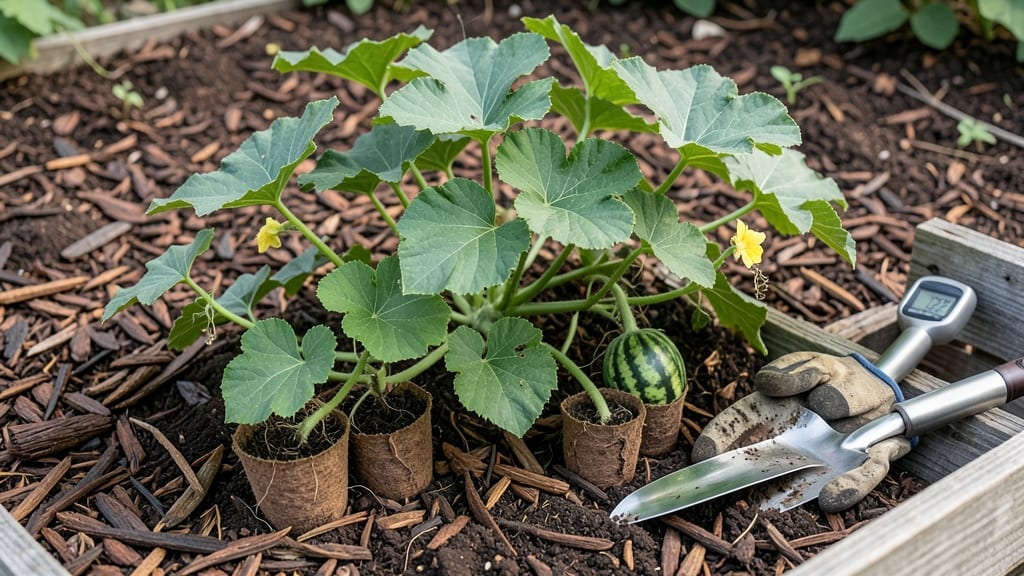
Planting watermelon in Ohio after the last frost—typically late April to early May—sets the stage for a bountiful summer harvest 🍉.
Ohio’s unpredictable spring weather can make or break your watermelon harvest—plant too early, and frost will kill your seedlings; too late, and you’ll miss the sweet summer growing season. Timing is everything, and these frost-free planting guidelines will help you grow juicy, vine-ripened watermelons like a pro.
Most Ohio gardeners wait until soil temperatures hit at least 70°F before sowing seeds directly, but if you’re eager to start earlier, you can get a head start by transplanting hardened seedlings after the frost date.
This two-week window between frost risk and ideal soil warmth is your golden opportunity for success.
Below, I’ll walk you through Ohio’s regional planting zones, soil prep secrets for clay-heavy ground, and how to extend your growing season with row covers or cold frames—so you can enjoy homegrown watermelons from July right through early September.
Ohio’s ideal watermelon planting dates by region (frost-free zones & last frost dates)
Ohio’s diverse climate means northern and southern regions have different frost-free windows for watermelon. In Northern Ohio (Zones 5-6), frost lingers until mid-May, while Southern Ohio (Zones 6-7) often sees its last frost by early April.
These timing differences can mean the difference between a thriving harvest and lost seedlings.
Watermelons thrive when soil temperatures reach at least 70°F, which typically happens 2-4 weeks after the last frost date. Using a soil thermometer is key—planting in cold soil stunts growth and delays fruiting.
In Ohio, this usually aligns with late May for most regions, but early varieties can sometimes be planted in mid-April in protected microclimates.
For gardeners in Northwest Ohio (e.g., Toledo), the average last frost date is April 20, but wait until May 15 to plant watermelons. Meanwhile, Southeast Ohio (e.g., Athens) can safely plant by April 10, giving growers an extra 4-6 weeks of growing time.
This regional variation is why understanding your local frost zone is critical.
Here’s how Ohio’s microclimates break down for watermelon planting, including soil temperature requirements and frost-free windows:
| Region | Last Frost Date | Soil Temp for Planting | Ideal Planting Window | Notes |
|---|---|---|---|---|
| Northwest Ohio (Toledo, Cleveland) | April 20 | 70°F+ (late May) | May 15–June 1 | Use row covers for early starts |
| Northeast Ohio (Akron, Canton) | April 25 | 70°F+ (late May) | May 20–June 5 | Cold frames extend season |
| Central Ohio (Columbus) | April 15 | 70°F+ (early May) | May 1–May 15 | Early varieties best |
| Southeast Ohio (Athens, Chillicothe) | April 10 | 70°F+ (mid-April) | April 15–May 1 | Longer growing season |
| Southwest Ohio (Cincinnati) | April 5 | 70°F+ (late April) | April 20–May 10 | Black plastic mulch warms soil |
If your spring is unusually cold, consider starting watermelons indoors 2-3 weeks before the last frost date. Use biodegradable pots to transplant seedlings outdoors once soil warms.
For late springs, opt for fast-maturing varieties like ‘Sugar Baby’ (58 days) or ‘Crimson Sweet’ (80 days) to maximize your harvest window.
Another trick for Northern Ohio gardeners is using black plastic mulch to raise soil temperatures by 10-15°F. Lay it down 2-3 weeks before planting to create a warmer microclimate. This method can push your planting window 2 weeks earlier in cooler regions like Toledo or Cleveland.
For Southern Ohio, where frost arrives earlier, focus on succession planting. After your first harvest in July, replant
Watermelon soil & sun requirements: Ohio-specific prep checklist for maximum yield
Ohio’s clay-heavy soils and humid summers create unique challenges for growing watermelons. Without proper prep, your vines may struggle with poor drainage or nutrient deficiencies, leading to stunted growth or bitter fruit.
The key to success? Amending your soil, selecting the sunniest spot, and avoiding common Ohio pitfalls like compacted clay or waterlogged beds.
Watermelons thrive in well-draining soil with a pH between 6.0 and 6.8. Ohio’s native clay holds moisture too tightly, so I always mix in organic matter like compost or aged manure.
For sandy soils, add peat moss to retain moisture without suffocating roots. Test your soil first—many Ohio gardens need adjustments to hit that sweet spot for watermelon growth.
📌 Ohio-Specific Soil Prep Checklist
- 🌱 Test soil pH – Aim for 6.0–6.8; use lime to raise or sulfur to lower.
- 🪴 Amend clay soil – Mix in 3–4 inches of compost or coarse sand to improve drainage.
- ☀️ Choose full sun – Select a south-facing spot with 6–8 hours of direct sunlight daily.
- 💧 Improve drainage – Raise beds or add perlite if water pools after rain.
- 🌿 Mulch heavily – Use straw or black plastic to suppress weeds and retain moisture.
Ohio’s humid climate can also lead to fungal issues if watermelons sit in soggy soil. I always elevate beds or use black plastic mulch to warm the soil faster and reduce disease risk.
For heavy clay, consider raised beds—they warm up quicker in spring and drain better, giving your watermelons a head start.
Sunlight is non-negotiable for watermelons. In Ohio, partial shade from trees or buildings will result in small, seedy fruit or no harvest at all. Scout your yard for the sunniest, most sheltered location—near a fence or trellis can protect vines from strong winds while maximizing light exposure.
One common Ohio mistake? Planting in cold, wet soil that hasn’t warmed to 70°F+. Watermelon seeds won’t germinate in cooler temps, so I always wait until late May or early June—after the last frost and when soil reaches the ideal range.
Use a soil thermometer to check; if it’s below 70°F, wait another week.
With the right soil prep and sun exposure, your Ohio watermelon patch will thrive. Focus on drainage, pH balance, and full sun, and you’ll be slicing into sweet, homegrown melons by mid-summer. Happy growing! 🍉